
Lawn
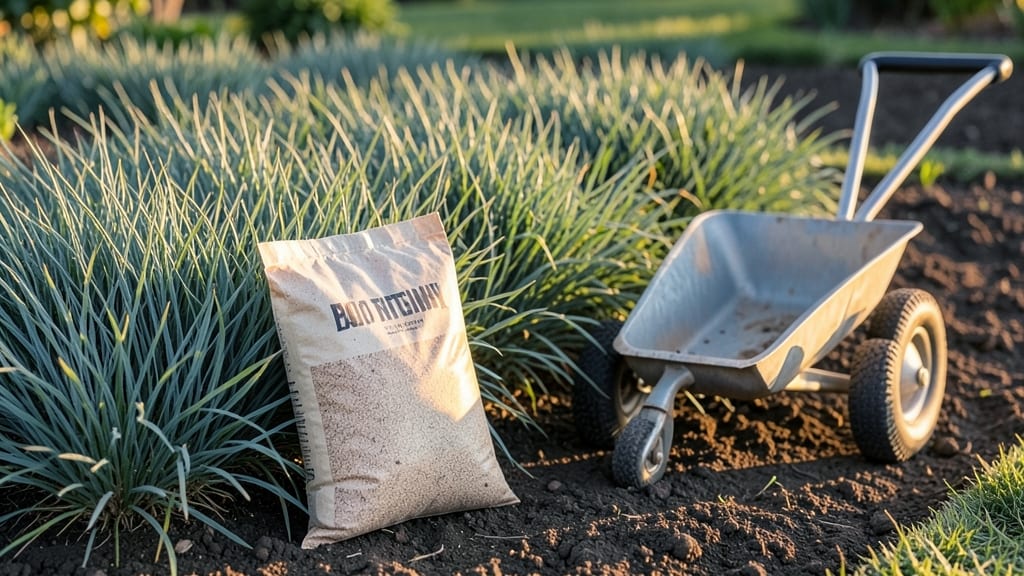
How to make the lawn green again—your dull brown patches can vanish in weeks with the right tweaks, and I’ve seen it happen after fixing just two or three overlooked issues most people miss.
The secret isn’t expensive treatments but understanding what your grass actually needs: water, nutrients, and the right growing conditions.
Start with a quick check: Is the soil compacted? Are you watering at the wrong time? A simple soil test (or just digging a small hole) reveals whether your lawn needs aeration, fertilizer, or better drainage.
I’ve revived lawns by adjusting watering schedules alone—most people overwater in the evening, which invites fungus. A 10-minute daily check of your sprinkler system can save you from weeks of frustration.
By the end of the first month, you’ll notice thicker blades, fewer bare spots, and a deeper green color. The key is consistency: feed your lawn in early spring and fall, mow at the right height (never more than one-third of the blade), and fix watering habits immediately.
Think of it like a quick reset button for your yard—no long-term projects, just visible results.
This works for any grass type, from cool-season fescue to warm-season Bermuda. The only difference is timing: Northern climates focus on spring fixes, while Southern lawns need summer attention. Let’s get your grass looking lush again without the guesswork.
📚 In This Guide
- What you need
- Instructions
- Tips and common mistakes
- Wrapping up and next steps
What you need
- ● Lawn mower – Adjustable height (set to 3–4 inches for optimal growth).
- ● Garden hose or sprinkler – With a spray nozzle for even watering.
- ● Lawn rake – Metal or plastic with wide, sturdy tines (12–18 inches long).
- ● Soil test kit – To check pH (ideal: 6.0–7.0) and nutrient levels.
- ● Fertilizer – Slow-release balanced NPK (10-10-10 or 20-20-20) or organic options like compost or manure.
- ● Grass seed – Match type to your existing lawn (e.g., Kentucky Bluegrass, Fescue, or Bermuda).
- ● Watering schedule tracker – Notebook or app to log watering times.
- ● Lawn aerator – Manual or rented spike or core aerator for compacted soil.
- ● Pre-emergent herbicide – To prevent weeds (apply before seeding).
- ● Post-emergent herbicide – For targeted weed control (use sparingly).
- ● Lawn roller – Lightweight 100–150 lb for seed-to-soil contact.
- ● Soil conditioners – Vermiculite or peat moss to improve drainage.
- ● Gloves & knee pads – For comfort during raking or aerating.
- ● Weather app alerts – To track rainfall and forecast.
Quick steps to revive your lawn for instant green growth
Here's how to transform dull patches into lush green in just a few focused actions.
Test and Adjust Soil pH for Optimal Nutrient Uptake
Use a soil test kit to check your lawn's pH level first—this determines whether grass can absorb nutrients properly. Most cool-season grasses thrive at a pH of 6.0 to 7.0, while warm-season grasses prefer 6.0 to 6.5. If your test shows readings outside this range, you'll need to adjust it before other treatments work effectively.
For low pH (acidic soil), sprinkle lime evenly across the lawn using the spreader set to the recommended rate on the product label. Water lightly afterward to help it settle into the soil. For high pH (alkaline soil), apply sulfur following the same process. Let the soil adjust for 2-4 weeks before proceeding—you'll notice improved grass color within 10-14 days if the pH is corrected.
Apply a Fast-Acting Fertilizer for Immediate Color Boost
Choose a quick-release fertilizer with a high nitrogen content (look for a 30-0-4 or similar ratio on the label). Nitrogen is what turns grass green almost instantly. Set your spreader to the recommended setting for your lawn size and walk in straight lines for even coverage. Water the lawn lightly afterward to activate the fertilizer.
For best results, apply fertilizer in the early morning when dew is present—this helps prevent leaf burn from the sun. You'll start seeing greener blades within 3-5 days, with full color improvement in 7-10 days. Avoid overapplying—too much fertilizer can damage roots and cause brown patches.
Water Deeply and Consistently to Encourage Root Growth
Your lawn needs 1 to 1.5 inches of water per week, including rainfall. Use the hose with adjustable nozzle to water deeply 2-3 times per week rather than light daily watering. Water in the early morning (4-8 AM) to reduce evaporation and fungal growth. You'll know you're watering enough when the soil feels moist 2-3 inches down—stick a screwdriver into the ground to check.
Deep watering encourages roots to grow deeper, making the lawn more drought-resistant. If your lawn has thin or brown patches, these areas may need extra water—focus the hose directly on them until the soil is saturated. Within 2-3 weeks, you should see thicker grass and fewer bare spots.
Mow High and Remove Thatch for a Healthier Lawn
Set your lawnmower blade to 3 to 4 inches high—taller grass shades the soil, retaining moisture and blocking weeds. Never cut more than one-third of the grass blade at a time, or you'll stress the plant. Mow when the grass is dry to avoid clumping and disease spread. Bag the clippings if your lawn has thick thatch (a layer of dead grass and roots over 0.5 inches thick).
To reduce thatch naturally, aerate the lawn using the manual aerator in late spring or early fall. This creates holes for air, water, and nutrients to reach the roots. After aerating, spread a thin layer of compost over the lawn and water it in. You'll see a softer, greener lawn within 4-6 weeks as the grass recovers and thickens.
Tips & tricks for reviving your lawn's vibrancy
Here's what I've learned from years of transforming dull lawns into vibrant green spaces—these quick tricks make all the difference.
Timing is Everything: When you apply that fast-acting fertilizer in Step 2, early morning is key—not just for preventing leaf burn, but because cooler temperatures help the nitrogen activate more efficiently. I've seen results appear in just 3-5 days when done right, but if you apply after noon, the sun can actually burn the grass blades before the fertilizer has a chance to work. Trust me, the difference is noticeable!
Soil Test Accuracy: Don't rely on guesswork when testing your soil's pH in Step 1. Use a reliable soil test kit that gives you a precise reading, not just "acidic" or "alkaline." I've seen people add lime to soil that was actually fine, wasting money and time. For the most accurate results, take multiple samples from different areas of your lawn—especially if you have patches with different colors or textures.
Watering Wisdom: In Step 3, that "2-3 times per week" guideline assumes normal weather conditions. During heatwaves or droughts, you might need to water daily—but always check that 2-3 inch soil moisture. I've made the mistake of sticking to the schedule during extreme heat, only to watch my lawn turn brown from underwatering. When in doubt, let your finger be the guide: if the soil feels dry at 2-3 inches, it's time to water.
Mowing Strategy: That 3 to 4 inch height recommendation in Step 4 isn't just about aesthetics—it's about protecting your grass. I used to mow too short in summer, thinking it would look neater, but I ended up with brown patches that took weeks to recover. The taller grass shades the soil better, retains more moisture, and blocks weeds more effectively. And remember: never cut more than one-third of the blade at once, or you'll shock the grass.
Pro Tips for Make The Lawn Green Again
- Here's what I've learned from years of transforming dull lawns into vibrant green spaces—these quick tricks make all the difference.
- Timing is Everything: When you apply that fast-acting fertilizer in Step 2, early morning is key—not just for preventing leaf burn, but because cooler temperatures help the nitrogen activate more efficiently.
- Soil Test Accuracy: Don't rely on guesswork when testing your soil's pH in Step 1.
Frequently asked questions
Got questions about reviving your lawn? Here are some of the most common ones—and their straightforward answers to get you back to lush, green grass in no time!
How long does it take to see results after fixing my brown lawn?
With proper care, you’ll start noticing improvements in 1–2 weeks, especially after watering and fertilizing. For patchy areas, overseeding may take 2–4 weeks to show full green-up. Patience is key—consistency beats quick fixes!
Can I use vinegar or other household items to kill weeds and revive grass?
While vinegar can kill weeds, it’s not a safe or effective lawn treatment—it burns grass too. Stick to natural weed killers like corn gluten meal or targeted spot treatments with vinegar (diluted!). For grass revival, focus on soil health and proper watering instead.
How much water does grass need to turn green again?
Aim for 1–1.5 inches per week, including rain. Water deeply 2–3 times per week (early morning is best) to encourage strong roots. Overwatering can drown grass, so check soil moisture—if the top 2 inches are dry, it’s time to water!
Is it too late to fix my lawn in current season?
Not at all! While early spring or fall are ideal for overseeding, you can still improve your lawn in summer or winter. Focus on watering, aerating, and fertilizing (avoid heavy nitrogen in summer heat). Cool-season grasses may slow down but recover with care.
What if my lawn stays brown even after trying everything?
Persistent brown patches could signal soil compaction, disease, or poor drainage. Test your soil (DIY kits are cheap!) and consider aeration or topdressing with compost. If issues persist, consult a local lawn care pro—they can diagnose deeper problems like fungal infections or grub damage.
Wrapping up and next steps
Reviving your lawn to a lush, vibrant green isn’t just about luck—it’s a mix of consistent care, the right techniques, and a little patience. 🌱 Whether you’re adjusting watering habits, feeding the soil, or tackling weeds, small steps add up to big results.
Remember, even the greenest lawns started somewhere!
Ready to see those dreamy green blades? Start with one action today—test your soil, adjust your watering schedule, or spread some fresh seed. Progress takes time, but your lawn (and your neighbors!) will thank you. Happy gardening! 🌿