
Lawn
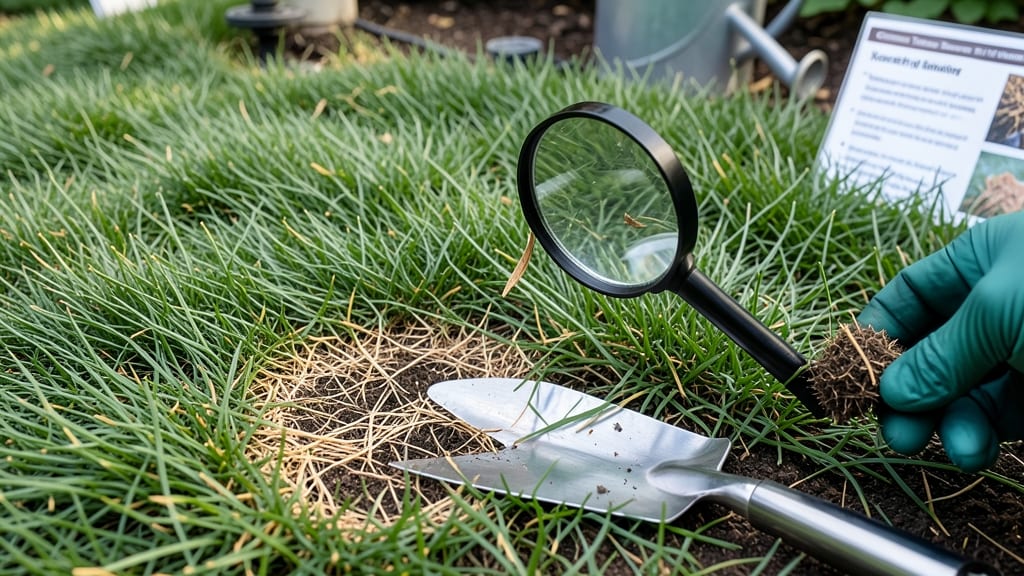
Brown dead spots in your lawn don’t have to mean a total write-off—I’ve nursed back lawns from patchy disasters in just 72 hours with the right approach. 🌱 The first step is figuring out what’s really killing your grass: is it fungus, grubs, drought, or something else?
I’ll walk you through how to diagnose it fast and fix it before it spreads. Most people panic and overwater, but that often makes things worse.
The secret is a 3-step process: test the soil, target the root cause (literally), and apply the fix without harming the rest of your lawn. I’ve seen brown patch disappear in days when homeowners skip the guesswork and go straight to the solution.
By the end, you’ll have a lush, even lawn again—no more guessing games. The best part? These fixes work whether you’re dealing with a small patch or a full yard takeover. Let’s get your grass back in fighting shape.
Here’s the thing—90% of brown spots are fixable without chemicals if you know what you’re dealing with. Fungal diseases like brown patch thrive in damp, warm conditions, while grubs munch away underground. Drought stress? That’s usually the easiest to reverse with a good soaking and proper watering habits.
The worst mistake I see? Ignoring the problem until it’s too late. A small dead spot can turn into a football-field-sized disaster in weeks if you don’t act.
But once you identify the cause, the fixes are simpler than you’d think—whether it’s aerating, adjusting your watering schedule, or a targeted fungicide.
For long-term results, prevention is your best friend. Aerate once a year, mow high to shade out weeds, and water deeply but infrequently. I’ve had lawns stay green through summers and winters by sticking to a simple routine—no more brown spots, no more stress.
If your lawn still looks like a crime scene after a week, it might be time to call in a pro. But in most cases, you’ve got this—and your grass will thank you.
Root Causes Behind Dead Grass
Brown, patchy lawns aren’t just an eyesore—they’re a cry for help from your grass. Understanding the why behind those stubborn dead spots is the first step to fixing them. Below, we break down the most common culprits, explained in simple terms with actionable science.
Fungi like Rhizoctonia or Dollar Spot thrive in warm, humid conditions, feasting on grass blades and roots. These pathogens create circular or irregular brown patches that often feel spongy underfoot.
- How it happens: Fungal spores lurk in soil, thatch, or even old grass clippings. When moisture lingers (think overwatering or poor drainage), they multiply rapidly, suffocating grass.
- Red flags: Small, expanding brown circles with a darker border or a "smoky" appearance in the morning dew.
- Actionable fix: Improve airflow with proper mowing height (never cut more than ⅓ of the blade) and water deeply but infrequently (early morning is best).
Grass roots need oxygen as much as water. Overwatering or compacted soil forces roots to suffocate, leading to yellowing or browning. Poor drainage also creates soggy pockets where fungi and pests thrive.
- How it happens: Heavy clay soil, low-lying areas, or frequent shallow watering prevent water from draining, starving roots of oxygen.
- Red flags: Spots stay wet for days, grass feels mushy, or brown patches appear after rain.
- Actionable fix: Test soil drainage (dig a 6-inch hole, fill with water—if it drains in <30 minutes, you’re good). Aerate compacted soil in fall or spring and consider a soil amendment like sand or gypsum.
Intense heat or prolonged drought forces grass into dormancy, causing blades to dry out and turn brown. Different grass types (cool-season vs. warm-season) have varying tolerance levels.
- How it happens: Temperatures above 90°F or weeks without rain deplete moisture faster than roots can absorb it. Cool-season grasses (like Kentucky bluegrass) struggle in summer heat.
- Red flags: Uniform browning across the lawn, crispy grass blades, or spots that recover after rain.
- Actionable fix: Water deeply (1–1.5 inches per week) in early morning to reduce evaporation. Adjust mower height to 3–4 inches to shade roots and retain moisture.
Grass grubs (larvae of beetles like Japanese beetles or June bugs) munch on roots, leaving behind irregular brown patches that pull up easily. Adult beetles lay eggs in soil, and larvae hatch to wreak havoc.
- How it happens: Grubs thrive in moist, fertile soil. If you lift a patch and see white, C-shaped larvae, you’ve got a grub invasion.
- Red flags: Spongy turf, patches that peel back like carpet, or increased bird/skunk activity (they love grubs too!).
- Actionable fix: Apply a grub-specific insecticide in early summer (before eggs hatch) or use milky spore bacteria for long-term control.
Too much fertilizer (especially nitrogen-heavy blends) or herbicide misuse can scorch grass roots, leaving behind crispy, brown patches. Even "organic" fertilizers can overdo it if applied incorrectly.
- How it happens: Over-fertilizing disrupts soil pH, burns roots, or encourages fungal growth. Herbicides (like 2,4-D) can drift or seep into desired grass areas.
- Red flags: Brown patches appear days after fertilizing, or edges of spots look singed.
- Actionable fix: Follow label rates (less is often more) and water thoroughly after applying fertilizer to dilute salts. Test soil pH—aim for 6.0–7.0 for most grasses.
Thatch is a layer of dead grass, roots, and debris that insulates soil. While a thin layer (¼ inch) is normal, thick thatch (over ½ inch) blocks water, air, and nutrients from reaching roots.
- How it happens: Frequent light watering, over-fertilizing, or using slow-decomposing mulches (like pine straw) accelerate thatch growth.
- Red flags: Spongy turf, water pooling on the surface, or brown patches that worsen after rain.
- Actionable fix: Dethatch in early fall or spring with a rake or verticutting machine. Overseed afterward to encourage new growth.
How to Revive Your Lawn Fast
Seeing those unsightly brown dead spots in your lawn can be frustrating, but the good news is that most issues have quick fixes—especially if you catch them early. Below, we break down the most common causes of dead patches and the exact steps to restore your grass to its lush, green glory. Plus, we’ll share prevention tips to keep your lawn thriving long-term.
If your dead spots feel spongy, smell musty, or appear in circular patterns, a fungal infection is likely the culprit. Here’s how to tackle it:
🍳 Step 1: Stop Watering (For Now)
- ⏰ When: Immediately if you’ve had recent rain or overwatering.
- Why: Fungi thrive in wet conditions.
Let the soil dry out for 2–3 days to break the cycle. - Pro Tip: Water early in the morning (before 10 AM) to reduce humidity at night. 🌡️
👨🍳 Step 2: Apply a Fungicide
- What to Use: Look for systemic fungicides with active ingredients like propiconazole or myclobutanil.
Follow label instructions for coverage. - Best Time: Apply in the evening when temperatures are cooler (fungi are less active). - DIY Option: Mix 1 part baking soda + 1 gallon of water + a few drops of dish soap (spray lightly—this is a mild preventative, not a cure).
🥘 Step 3: Improve Airflow & Drainage
- Rake Gently: Remove thatch (the layer of dead grass) to let air and sunlight reach the soil.
- Adjust Mowing Height: Raise your mower blade to 3–4 inches to strengthen grass roots.
- Prevention: Avoid compacting soil (no heavy foot traffic or equipment). ✨
⏰ Step 4: Monitor & Reapply if Needed
- Fungicides may require 2–3 applications, spaced 7–10 days apart.
- If spots persist, test your soil’s pH (fungi love acidic soil—aim for 6.0–7.0). 💡
Hard, dry patches or areas where kids/animals play heavily often lead to dead grass due to poor root access to water and nutrients.
🌱 Step 1: Aerate the Lawn
- When: Early morning on a dewy day (soil is soft).
- How: Rent a core aerator (or use a garden fork to poke holes 3–4 inches deep, 3–4 inches apart).
- Pro Tip: Aerate when the grass is dormant (late fall or early spring) for best results. 🎯
💧 Step 2: Water Deeply & Infrequently
- How Much: 1–1.5 inches per week (including rain).
Use a rain gauge or tuna can to measure. - Best Practice: Water early morning (4–8 AM) to reduce evaporation and fungal risk. - Fix Overwatering: If your lawn is soggy, let it dry out completely before watering again.
🥗 Step 3: Top-Dress with Compost or Sand
- Mix: Spread a ¼-inch layer of compost (for nutrients) or coarse sand (for drainage) over the aerated areas.
- Rake In: Lightly rake to work it into the soil.
- Prevention: Add 2–3 inches of mulch around trees/shrubs to protect soil from compaction. 🌿
Accidental herbicide spill, pet urine, or extreme heat can scorch grass. Here’s how to nurse it back:
🚿 Step 1: Flush the Area
- For Chemical Burns:
- If herbicide was spilled, rinse the area immediately with water.
- Use a hose with a gentle spray to dilute residue (avoid pressure washers—this can spread chemicals).
- For Pet Urine:
- Dilute the spot with water and sprinkle garden lime to neutralize acidity.
🌱 Step 2: Overseed the Damaged Spots
- When: Wait 3–5 days after flushing to ensure no further damage.
- How: 1. Loosen soil with a rake. 2. Spread grass seed (match the type to your lawn).
- Cover lightly with straw or peat moss to retain moisture.
- Water lightly daily until new grass sprouts (about 2 weeks).
🌡️ Step 3: Protect from Further Stress
- Shade Cloth: If heat is the issue, drape lightweight shade cloth over the area for a few days.
- Mulch: Apply a thin layer of mulch to retain moisture and cool roots.
- Prevention: Store chemicals securely and test soil pH—extreme acidity or alkalinity can weaken grass. 💡
An ounce of prevention is worth a pound of cure! Here’s how to keep your lawn vibrant:
- ✅ Mow High: Keep grass at 3–4 inches to shade roots and retain moisture.
- ✅ Sharpen Mower Blades: Dull blades tear grass, making it vulnerable to disease.
- ✅ Test Soil Annually: Adjust pH and nutrients based on results (most lawns need iron or nitrogen).
- ✅ Fertilize Seasonally: Apply slow-release fertilizer in early spring and fall (avoid summer heat).
- ✅ Watch for Pests: Grubs and chinch bugs can create dead patches—treat with beneficial nematodes or neem oil if spotted. 🐜
With these targeted fixes, your lawn should show visible improvement in 3–7 days, and full recovery in 2–4 weeks. The key is acting fast and addressing the root cause—not just masking the symptoms. Happy greening! 🌱
Frequently asked questions
Why do my brown spots keep coming back even after I treat them?
Persistent brown spots usually mean you’re treating the symptom, not the cause. If you’ve applied fungicide but spots return, check for compacted soil (roots need oxygen) or poor drainage (water pooling encourages fungi). Aerate annually and test soil pH—most lawns need 6.0–7.0 for healthy growth. Also, avoid overwatering; fungi thrive in damp conditions.
Can I just reseed the dead spots instead of fixing the problem?
Reseeding works short-term, but without addressing the root cause, new grass will die too. For example, if grubs are eating roots, seeding won’t help until you treat the pests. Start with a soil test—if the issue is nutrient deficiency or pH imbalance, amend the soil first. Then overseed for a long-term fix.
How do I tell if my brown spots are from grubs or fungus?
Grub damage feels spongy when you lift the turf, and you’ll see white, C-shaped larvae. Fungal spots often have dark borders or a "smoky" look in dew. Dig up a small patch—if roots are chewed (grubs) or mushy (fungus), that’s your culprit. Grubs leave irregular patches; fungus creates circles.
Is it better to use chemical or organic treatments for lawn spots?
Chemicals like propiconazole work faster for fungal diseases, but organic options (neem oil, baking soda) are safer long-term. For grubs, milky spore bacteria is organic but takes months to work—chemicals like imidacloprid act in days. Start with organic fixes, but don’t hesitate to use chemicals if the problem spreads quickly.
How long should I wait before reseeding after treating for grubs?
Wait 7–10 days after applying grub treatments to let the chemical break down. If using milky spore (organic), wait 2–3 weeks¼-inch layer of compost. Water lightly daily until new grass sprouts (about 2 weeks).