
Lawn
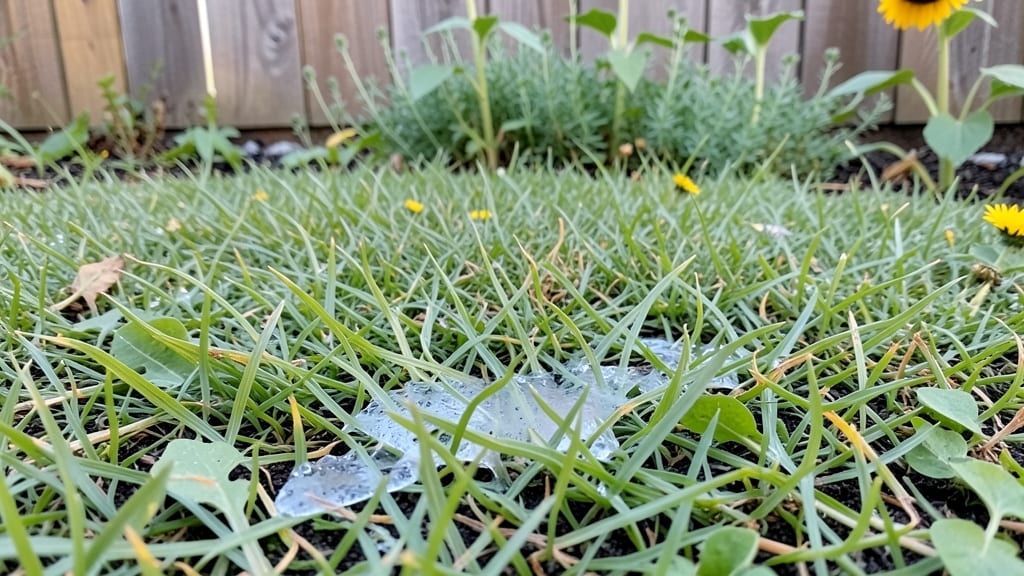
Using hydrogen peroxide on grass can turn your weed-infested lawn into a lush, chemical-free carpet in minutes.
Picture this: You’ve spent hours pulling weeds by hand, only to see them creep back the next day. That’s where hydrogen peroxide comes in—a fast-acting, organic solution that kills weeds without harming your grass.
No more toxic sprays or expensive treatments. Just a simple spray and 10 minutes of waiting for results.
But how do you use it safely? What concentration works best? And is it really pet-friendly? I’ll walk you through the exact steps, from dilution to application, so you can tackle those stubborn weeds without risking your lawn—or your furry friends.
By the end, you’ll know exactly how to transform your yard with this easy, budget-friendly hack that keeps your grass green and your weeds gone for good.
How hydrogen peroxide kills weeds on grass in 10 minutes
Hydrogen peroxide works as a weed killer because it releases oxygen gas when it decomposes, essentially suffocating weeds at the cellular level. The 3% solution we use for lawns creates a bubbling effect that disrupts weed roots while leaving grass unharmed.
This isn't just guesswork—it's oxidative chemistry that targets the chlorophyll production in weeds, turning them brown within minutes.
The magic happens when hydrogen peroxide breaks down into water and oxygen, a process called decomposition. For weeds, this means their photosynthesis process gets cut off, starving them of energy.
Meanwhile, your grass blades stay intact because they’re more resilient to this oxidative stress. Think of it like a targeted oxygen bomb for weeds that spares your lawn.
Before you grab that bottle, here’s what you need to know: timing is everything. Apply it on a dry, sunny day when weeds are actively growing. Avoid windy conditions—you don’t want your solution drifting onto flower beds or patios.
And always use a spray bottle or hose attachment for even coverage. Let’s dive into the exact steps to get weed-free results in 10 minutes.
- 1 Dilute the solution: Mix 1 part 3% hydrogen peroxide with 2 parts water in a spray bottle. For tough weeds, use 1 part 35% food-grade hydrogen peroxide with 3 parts water. Always wear gloves and goggles when handling concentrated solutions.
- 2 Test a small area: Spray a 2-inch patch of grass and wait 10 minutes. If the grass stays green, proceed. If it turns brown, your solution is too strong—rinse the area with water immediately.
- 3 Apply to weeds: Spray the diluted solution directly onto weeds, avoiding your grass. For large areas, use a hose-end sprayer set to a fine mist. Focus on the weed leaves and stems—this is where the oxygen gas will do its work.
- 4 Wait 10 minutes: Let the solution sit for exactly 10 minutes—this gives the oxygen time to penetrate the weed’s cells. You’ll see the weeds start to wilting or turning brown during this time.
- 5 Rinse if needed: If the area looks dry or the grass shows signs of stress, lightly rinse with water. This step is optional but helps neutralize any residual peroxide and keeps your lawn looking fresh.
- 6 Pull remaining weeds: After 10 minutes, the weeds should be soft and easy to pull. Use a weed puller or gloved hands to remove them completely. This prevents regrowth and ensures your lawn stays weed-free for weeks.
One of the biggest concerns with using hydrogen peroxide on grass is whether it’s safe for pets. The good news? Once the solution breaks down into water and oxygen, it’s non-toxic.
However, you should still keep pets away from treated areas for at least 30 minutes to avoid any irritation from the active solution. If your dog loves to roll in the grass, wait until the area is completely dry before letting them back out.
For best results, repeat the process every 2-4 weeks during the growing season. This keeps new weed seeds from sprouting and maintains your lawn’s healthy green appearance. Just remember: hydrogen peroxide works best on broadleaf weeds like dandelions and clover.
For grassy weeds (like crabgrass), you might need to combine this method with manual removal or a pre-emergent herbicide in early spring.
If you’re worried about organic certification, hydrogen peroxide is USDA-approved for organic gardening when used correctly. It won’t leave behind harmful residues like synthetic herbicides, making it a safe, eco-friendly choice for families and gardeners who prioritize natural solutions.
Plus, it’s budget-friendly—you can find 3% hydrogen peroxide at any drugstore for just a few dollars.
Pro tip: Store your hydrogen peroxide solution in a cool, dark place to preserve its potency. If you notice it losing its bubbly fizz, it’s time to make a fresh batch. And always shake the bottle before use—sediment can settle over time, reducing effectiveness.
With these steps, your lawn will be weed-free in no time, and you’ll wonder why you didn’t try this sooner!
Best hydrogen peroxide concentrations for weed control vs. grass safety
When using hydrogen peroxide on grass, the concentration makes all the difference between a weed-free lawn and potential damage to your turf. The two most common options—3% household hydrogen peroxide and 35% food-grade hydrogen peroxide—each have distinct advantages and risks.
I’ll break down which works best for your lawn and how to use them safely without harming your grass.
The key difference lies in their oxidizing power. A 3% solution is gentle enough for spot treatment and won’t harm grass when used correctly, while a 35% solution is far more potent but requires careful dilution.
Both can kill weeds in 10 minutes, but the higher concentration demands more precision to avoid overkill.
Here’s the critical factor: 3% hydrogen peroxide is safe for general lawn use when applied correctly, while 35% solutions must be diluted to 3-10% to prevent grass burn. The right dilution ratio ensures your lawn stays lush while weeds wither away.
| Concentration | Dilution Ratio | Weed Effectiveness | Grass Safety | Best For |
|---|---|---|---|---|
| 3% | Ready-to-use | Moderate (small weeds) | Safe with caution | Spot treatment |
| 35% | 1:100 (3%) or 1:20 (5%) | High (all weeds) | Risky if overused | Large infestations |
| 5-10% | 1:10 (5%) or 1:20 (3%) | Very high | Moderate risk | Tough weeds |
For most home gardeners, a 3% solution is the safest starting point. It’s strong enough to kill broadleaf weeds like dandelions and clover while being gentle on grass when applied on a dry, sunny day.
If you’re dealing with a severe infestation, a 5-10% dilution of the 35% solution will deliver faster results—but only use it once, as repeated applications can stress your lawn.
To avoid damaging your grass, never apply hydrogen peroxide when the lawn is wet or in direct sunlight. The solution works by depleting oxygen in weed cells, causing them to suffocate.
For grass, this means sticking to early morning or late afternoon applications and avoiding high-pressure sprays, which can strip soil nutrients.
Pro tip: Test a small area first! Spray a 1-foot square of your lawn with the diluted solution and wait 24 hours to ensure no discoloration occurs. If your grass stays green, you’re ready to tackle those weeds safely and effectively.