
Lawn
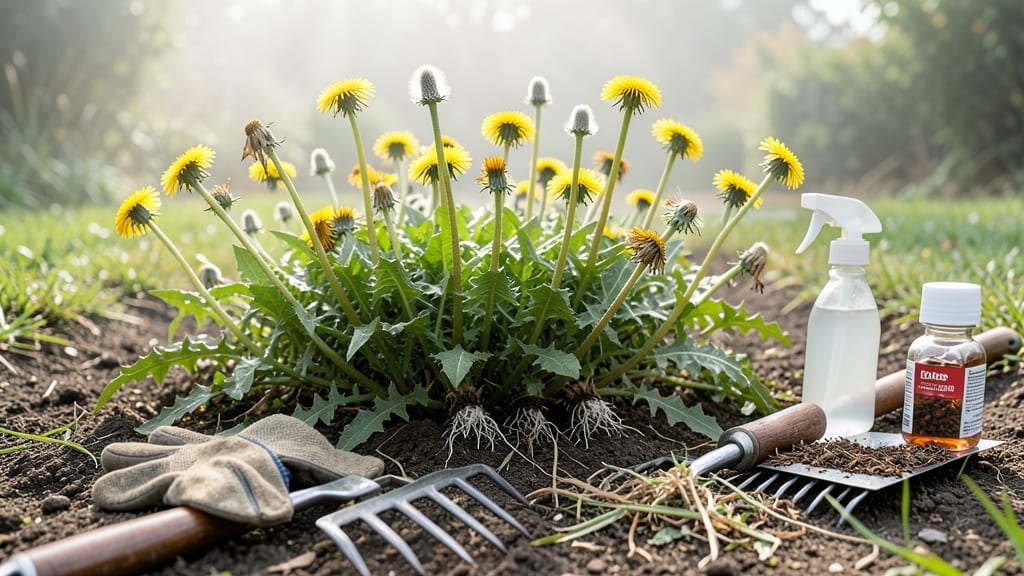
Dandelions in your lawn don’t just ruin the look—they steal nutrients and water from your grass. 🌱 I’ve battled these stubborn weeds for years, and the secret to eradicating them fast isn’t harsh chemicals but a targeted, natural approach that works in 24 hours without harming your lawn.
The key is timing and precision: pull them when soil is damp (they come out easier), spot-treat with vinegar or boiling water for instant kill, and prevent regrowth with a thick layer of mulch or overseeding.
I’ve even turned my lawn into a dandelion-free zone using this method—no more yellow blooms popping up unexpectedly. You’ll see results immediately with the right technique, and your grass will thank you with thicker, greener growth that crowds out future weeds. The best part?
This method keeps your lawn healthy while still supporting pollinators (yes, even dandelions have their place—just not in your yard). Works for any lawn size, from small patches to entire yards. Let’s get those weeds gone for good!
Root Causes of Dandelion Invasion
Dandelions may seem like stubborn weeds, but their dominance in your lawn isn’t random—it’s science! Understanding why they thrive helps you tackle them effectively. Here’s a breakdown of the key reasons dandelions take over, explained in simple terms.
Dandelions are nature’s soil detectives—they thrive where grass struggles. 🌱 Their deep taproots (up to 15 inches long!) access nutrients and water that shallow grass roots miss. If your lawn lacks:
- Nitrogen (essential for green growth)
- Phosphorus (supports root development)
- Potassium (boosts drought resistance)
Result? Dandelions fill the gaps, outcompeting weak grass. Test your soil (a DIY kit costs ~$10) to check pH and nutrient levels—ideal lawn soil sits between 6.0–7.0 pH. Amend with compost or fertilizer to crowd out weeds naturally.
Dandelions love compacted soil because their roots can punch through hard layers where grass roots suffocate. 🏗️ Common culprits:
- Heavy foot traffic (kids, pets, mowing)
- Clay soil (holds water poorly, leading to poor drainage)
- Lack of aeration (soil becomes a dense mat)
Actionable fix: Aerate your lawn in spring or fall using a core aerator (rent or buy for ~$50). This creates holes for grass roots to breathe and water to drain—making your lawn less hospitable to dandelions.
Dandelions are drought-tolerant, but they love moisture—especially when grass is stressed. 💦 Here’s how watering habits help them:
- Overwatering keeps soil soggy, encouraging weed seeds to germinate.
- Skipping watering weakens grass, giving dandelions room to spread.
- Inconsistent watering (e.g., deep one day, none the next) creates uneven growth patterns.
Pro tip: Water deeply 1–2 times per week (early morning) to encourage deep grass roots. Aim for 1–1.5 inches per week—dandelions hate competition!
A dense lawn is dandelions’ worst nightmare. 🛡️ If your grass has bare spots (from disease, pets, or poor seeding), dandelions rush in to claim the space.
They spread via: - Wind-blown seeds (one plant can produce 100+ seeds!) - Animal fur (dogs and birds carry seeds everywhere) - Lawn equipment (mowers and rakes spread seeds unintentionally)
Solution: Overseed thin areas in early fall with a high-quality grass mix (like Kentucky bluegrass or fescue). Keep the soil moist until new grass sprouts—this blocks dandelions’ sunlight access.
Dandelions are opportunistic—they thrive in both full sun and shade, while many lawn grasses struggle in one or the other. 🌞🌑
- Too much sun? Grass dries out; dandelions survive.
- Too much shade? Grass grows slowly; dandelions take over.
Fix it: Choose the right grass for your climate (e.g., St. Augustine grass for southern heat, ryegrass for cool shade). If shade is the issue, consider shade-tolerant ground covers like clover to outcompete weeds.
Ironically, overusing herbicides can backfire—some chemicals weaken grass, making it vulnerable to dandelions. 🚫 Plus, dandelions develop resistance to common weed killers like 2,4-D. If you’ve relied on:
- Pre-emergent herbicides (they block grass seeds and weed seeds)
- Post-emergent sprays (without proper timing)
Better approach: Use targeted spot treatments (like vinegar or corn gluten meal) and preventative care (healthy soil, proper mowing) to avoid chemical dependency.
Mowing too short or inconsistently turns your lawn into a dandelion buffet. 🌾 Here’s why:
- Cutting grass too short (below 2–3 inches) stresses roots, inviting weeds.
- Leaving clippings (thatch buildup) blocks sunlight from grass but not shallow weeds.
- Mowing wet grass tears blades, creating entry points for disease and weeds.
Rule of thumb: Mow high (3–4 inches) and regularly (never remove more than 1/3 of the blade height at once). Bag clippings in high-dandelion areas to starve weeds of nutrients.
Tackle Dandelions Naturally
Dandelions may seem harmless, but their stubborn roots and prolific seeds can quickly take over your lawn if left unchecked. The good news? You don’t need harsh chemicals to reclaim your green space.
Below are practical, effective solutions tailored to the root causes of dandelion infestations—plus tips to keep them from bouncing back.
Cause: Dandelions thrive in weak spots where grass struggles to grow. Fix:
- 🔥 Fill the gaps: Overseed bare patches with high-quality grass seed (choose a type suited to your climate).
- 👨🍳 Prep the soil: Loosen compacted soil with a rake or aerator to help seeds take root.
- 💡 Pro tip: Water lightly but frequently (about ¼ inch per day) for the first 2–3 weeks to encourage germination.
Cause: Shady or poorly lit areas create the perfect dandelion haven. Fix:
- 🌳 Trim overgrown trees/shrubs to let sunlight reach your lawn.
- 🍳 Plant sun-loving grasses like Kentucky bluegrass or tall fescue in shadier spots.
- ✨ Bonus: A well-lit lawn stays healthier, crowding out weeds naturally.
Cause: Overwatering or irregular watering stresses grass, inviting dandelions. Fix:
- 🔥 Water deeply but less often (1–1.5 inches per week, including rain).
- ⏰ Stick to a schedule: Early morning watering reduces evaporation and fungal risks.
- 🌡️ Avoid soggy soil: Dandelions love damp conditions—drainage issues? Fix them first!
Cause: Dandelions spread via deep taproots and flying seeds. Fix:
- 👨🍳 Best time to pull: When soil is moist (after rain) for easier extraction.
- 🔪 Go deep: Use a dandelion weeder or fork to remove the entire root—even a sliver regrows!
- 💡 Pro tip: Pull in small sections to avoid missing roots. Wear gloves to protect your hands.
Cause: Chemical resistance or preference for eco-friendly solutions. Fix: - 🍳 Vinegar spray (fast-acting): - Mix 1 gallon white vinegar + 1 cup salt + 1 tbsp dish soap. - Spray directly on dandelions (avoid grass—it’ll crisp too!). - ⏰ Results: Wilts in 24–48 hours.
Repeat weekly for new sprouts. - 🌡️ Boiling water: Pour on dandelions in cracks or driveways (great for sidewalks!). - 🌱 Corn gluten meal (preventative): Spread 20 lbs per 1,000 sq ft in early spring to block seed germination.
Cause: Dandelions return yearly if conditions stay ideal. Fix: - 🎯 Mow high: Keep grass at 3–4 inches to shade out weeds. - 🔥 Fertilize regularly: A balanced lawn grows thick and competitive. - 🌿 Mulch garden beds: Prevents dandelion seeds from taking root near your lawn. - 💡 Pro tip: Collect seeds before they puff!
Shake them into a bag and dispose of them far from your yard.
If dandelions cover more than 10% of your lawn, consider:
- 🌱 Professional lawn treatment (targeted herbicides or overseeding).
- 🍳 Soil testing to check pH/nutrient levels—imbalanced soil = weed paradise.
Remember: Consistency is key. Combine one or two methods for best results, and your lawn will thank you with lush, dandelion-free greenery in no time! 🌿✨
Frequently asked questions
Why do dandelions keep coming back even after I pull them?
Those persistent dandelions return because even a tiny root fragment can regrow! The key is removing the entire taproot (up to 15 inches deep) when pulling. Use a dandelion weeder or fork for best results, and pull when soil is damp—roots slide out much easier. For stubborn patches, try spot-treating with vinegar or boiling water after removal.
Is it safe to use vinegar on my lawn to kill dandelions?
Vinegar works fast but requires precision! Mix 1 gallon white vinegar + 1 cup salt + 1 tbsp dish soap and spray only on dandelions—it will damage grass. The solution kills weeds in 24-48 hours by burning their leaves, but you'll need to repeat for new sprouts. For large lawns, consider spot-treating only problem areas to avoid collateral damage.
How can I prevent dandelions from spreading to other parts of my yard?
Stop the seed spread with these simple tricks! First, collect seeds before they puff by shaking plants into a bag and disposing of them far from your yard. Second, mow high (3-4 inches) to shade out weeds. Third, maintain healthy soil with regular aeration and overseeding—thick grass blocks dandelions naturally.
Will corn gluten meal really prevent dandelions from growing?
Yes, but timing is everything! Corn gluten meal works as a pre-emergent herbicide by blocking weed seeds from germinating. Apply 20 lbs per 1,000 sq ft in early spring (before dandelion seeds sprout) or fall. It's organic and safe for lawns, but won't kill existing weeds—use it as prevention alongside other removal methods.
What's the best time of year to tackle dandelions?
Spring and fall are your best windows! In spring (March-May), dandelions are young and easy to pull before they seed. In fall (September-November), cool weather makes removal easier, and you can overseed bare spots to prevent regrowth. Avoid treating in summer heat—it stresses both weeds and your lawn.