
Lawn
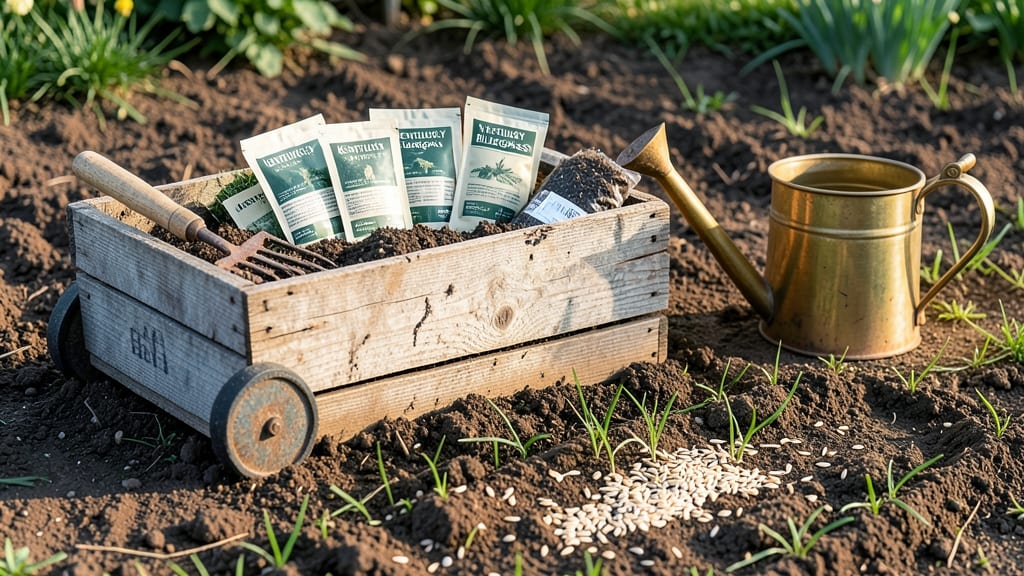
Laying a lawn from grass seed transforms bare soil into a lush carpet—if you follow the right steps. 🌱 I’ve seeded three lawns, and the difference between patchy results and a thick, green expanse comes down to prep, seed choice, and consistency.
Skip any step, and you’re fighting weeds or uneven growth for years. The secret weapon? Testing soil pH before you start—most seed packages assume a neutral 6.5 to 7.0, but clay-heavy soil might need lime, while sandy soil benefits from compost.
Once you’ve tilled, leveled, and raked, choose seed blends labeled for your climate (cool-season for northern states, warm-season for southern). A broadcast spreader ensures even coverage, but hand-sowing works too if you’re patient. Within 10–21 days, you’ll see sprouts—tiny but unmistakable.
Water lightly twice daily (morning and evening) to keep soil damp but not soggy. Too much water washes seeds away; too little dries them out.
By week 4, your lawn will need 1–1.5 inches of water per week, but shallow roots mean frequent, light watering until the grass reaches 3–4 inches tall. Common pitfalls? Skipping soil prep (compacted soil = bare spots) or mowing too soon (wait until grass is 3–4 inches tall).
With the right routine, your lawn will outcompete weeds and stay vibrant through seasons. Ready to roll up your sleeves?
📚 In This Guide
- What you need
- Instructions
- Tips and common mistakes
- Wrapping up and next steps
What you need
- ● Grass seed: Choose a high-quality seed blend suited to your climate (e.g., Kentucky Bluegrass, Fescue, or Bermuda). Calculate 5–10 lbs per 1,000 sq ft, depending on seed type and coverage needs.
- ● Topsoil or compost: 1–2 inches (for poor soil) to improve drainage and fertility. Aim for 100 sq ft bags—adjust based on your lawn size.
- ● Lawn roller: A 100–150 lb roller (rent or buy) to press seed into the soil.
- ● Rake: A bow rake (for leveling soil) and a garden rake (for spreading seed evenly).
- ● Broadcast spreader: Manual or electric to distribute seed uniformly (rent if needed).
- ● Garden hose with sprinkler: A soaker hose or adjustable sprinkler for gentle, consistent watering.
- ○ Soil test kit (optional but recommended): Check pH and nutrient levels—ideal pH for most grasses is 6.0–7.5.
- ● Starter fertilizer: Low-nitrogen (10–20% N) to kickstart seed growth. Apply per label instructions before seeding.
- ● Mulch or straw: ¼ inch layer to retain moisture and protect seeds from birds/wind.
- ● Lawn edging tools: For crisp, defined borders around driveways or sidewalks.
- ● Knee pads or gloves: Because crawling in dirt is way more comfortable with these!
Step-by-Step instructions for laying a lawn with grass seed
Here's my go-to method for a thick, even lawn that stays green through the seasons.
🪴 Step 1: Prepare the Soil for Perfect Seed Contact
Start by removing all existing grass, weeds, and debris from your area using a sod cutter or shovel. I like to rent a sod cutter for larger spaces—it saves hours of backbreaking work. For smaller patches, dig up the grass in 6-inch squares and remove it completely. Once the area is clear, loosen the top 4-6 inches of soil with a rototiller or garden fork. This breaks up compacted layers so roots can penetrate deeply.
Rake the soil smooth afterward, creating a level surface free of clumps. You want the texture of fine sand—no rocks or large debris. This is where most lawns fail: uneven soil means uneven seed coverage. I press down lightly with a board to firm the soil slightly, then rake again to create a fine, crumbly texture perfect for seed-to-soil contact.
🌱 Step 2: Choose and Spread Grass Seed Evenly
Select grass seed suited to your climate and sun exposure—cool-season grasses like Kentucky bluegrass thrive in northern regions, while Bermuda grass handles southern heat. For a 1,000 sq ft lawn, you'll need about 12 pounds of seed. I use a broadcast spreader for large areas to ensure even distribution. Walk in a crisscross pattern to avoid missed spots or thick patches.
For smaller areas, use a hand spreader or simply scatter seed by hand. Lightly rake the area again after spreading to press seed into the soil—this prevents wind from blowing it away. You'll see tiny grooves in the soil where the rake passes; these help seeds stay in place until germination. Water lightly afterward to settle the seed without washing it away.
💧 Step 3: Water Consistently for Germination
Keep the soil evenly moist for the first 2-3 weeks—this is critical for germination. Water lightly twice daily (morning and evening) to keep the top 1 inch of soil damp. Avoid heavy watering, which can dislodge seeds or create puddles. You'll know you're doing it right when the soil feels like a damp sponge, not soggy or bone-dry.
Once seedlings reach 2 inches tall, reduce watering to once daily. At this stage, water deeply to encourage deep root growth. I set a timer to remind myself—skipping watering during this phase kills more lawns than any other mistake. Watch for uniform green sprouts appearing in 7-21 days, depending on temperature and seed type.
✂️ Step 4: Maintain New Grass for Long-Term Health
Wait until new grass reaches 3-4 inches tall before your first mow—this ensures roots are established. Set your mower to 3 inches high to avoid scalping tender blades. Mow frequently enough that you never remove more than ⅓ of the blade height at once. This keeps grass dense and discourages weeds.
After the first mow, apply a light layer of mulch (like straw) to retain moisture and suppress weeds. Fertilize lightly with a starter blend after 6-8 weeks to support root development. I avoid heavy fertilizers early on—they can burn young grass. Finally, water deeply but less frequently as the lawn matures, aiming for 1 inch per week during dry spells.
Tips & tricks for perfect grass seed lawn laying
Took me a while to figure these out, so here goes—these tricks will help you avoid the most common lawn failures and get that lush, even coverage you're dreaming of.
Soil Prep Secret: In Step 1, when you're loosening that top 4-6 inches of soil, don't just scratch the surface—aim for a fluffy, almost cake-like texture. I like to use a garden fork to break up compacted layers, then press down with a 2x4 board to create firm, even contact. This prevents air pockets that can starve your seeds. Think of it like prepping a perfect cake pan—smooth, level, and ready for action.
Seed Distribution Hack: For Step 2, if you're using a broadcast spreader, walk in a crisscross pattern and overlap your passes by about 6 inches. This ensures you don't miss spots or create thick patches. Pro tip: After spreading, do a quick visual check from about 10 feet away—you should see an even, uniform color without obvious gaps. For smaller areas, try the "snowfall method": hold the seed bag higher and let it sift through your fingers like snow falling gently.
Watering Wisdom: During the critical 2-3 week germination phase in Step 3, set up a gentle rain-like system. A sprinkler with a fine mist setting works best—you want to mimic natural rainfall. I schedule my sprinkler for 10 minutes in the morning and 10 minutes in the evening, which keeps that top inch of soil consistently damp. Avoid overhead watering that can wash seeds away, and never let the soil dry out completely during this phase—seeds need constant moisture to germinate.
Timing Tip: When your seedlings reach that 2-inch mark in Step 3, that's your cue to adjust your watering routine. At this stage, water deeply but less frequently—aim for about ½ inch of water per session. This encourages roots to grow downward rather than staying shallow. I find using a rain gauge helps track exactly how much water you're applying, which prevents both underwatering and overwatering that can lead to fungal issues.
Pro Tips for Lay A Lawn With Grass Seed
- Took me a while to figure these out, so here goes—these tricks will help you avoid the most common lawn failures and get that lush, even coverage you're dreaming of.
- Soil Prep Secret: In Step 1, when you're loosening that top 4-6 inches of soil, don't just scratch the surface—aim for a fluffy, almost cake-like texture.
- Seed Distribution Hack: For Step 2, if you're using a broadcast spreader, walk in a crisscross pattern and overlap your passes by about 6 inches.
Frequently asked questions
Got questions about growing a lush lawn from seed? You’re not alone! Here are answers to the most common concerns to help you achieve that perfect green carpet.
How long does it take for grass seed to germinate and grow?
Germination time varies by grass type: cool-season grasses (like Kentucky bluegrass or fescue) sprout in 7–21 days, while warm-season grasses (like Bermuda or Zoysia) take 10–30 days. Keep soil moist and at the right temperature (60–75°F) for best results. Full coverage may take 3–6 weeks, but patience pays off!
Can I walk on new grass seed before it’s fully grown?
Nope! Avoid stepping on fresh seed until the blades reach 3–4 inches tall (usually 4–6 weeks). Until then, use a boardwalk or stepping stones to protect tender shoots. Even light foot traffic can uproot seedlings or create uneven patches.
How often should I water grass seed?
New seed needs consistent moisture—water lightly 2x daily (morning and evening) for the first 2 weeks to keep soil damp (not soggy). After germination, switch to 1 inch per week, watering deeply but infrequently. Use a sprinkler with gentle mist to avoid washing away seed.
What if birds or squirrels eat my grass seed?
Pests love fresh seed! Cover the area with straw or a lightweight netting until germination (2–3 weeks). For stubborn critters, try bird repellent sprays (non-toxic) or scatter seed in small patches. Avoid chemical deterrents—they can harm seedlings.
Can I overseed an existing lawn with grass seed?
Overseeding thins or patchy lawns. Mow the old grass short (1–2 inches), rake to loosen soil, spread seed, and water well. Choose a compatible grass type (e.g., fescue for cool climates) and time it right: early fall is ideal for most regions.
What’s the best time of year to plant grass seed?
Timing matters! Cool-season grasses thrive in early spring or fall (50–65°F soil temps). Warm-season grasses need late spring to early summer (75–85°F). Avoid planting in extreme heat or cold—seedlings struggle to establish roots in harsh conditions.
What if my lawn has weeds popping up after seeding?
Weeds compete for nutrients! Hand-pull them early or use a spot treatment of vinegar (5% acetic acid) or corn gluten meal (pre-emergent). Avoid herbicides until the new grass is 3–4 inches tall—they’ll kill your seedlings too.
Wrapping up and next steps
Laying a lawn with grass seed is a rewarding project that transforms a bare patch into a vibrant, lush space—and you’ve got all the tools to succeed! 🌱 From prepping the soil to maintaining your new green carpet, each step plays a role in ensuring a healthy, durable lawn.
With patience and the right techniques, your hard work will pay off in a stunning outdoor oasis.
Now that you’re armed with knowledge, take the next step! Start by marking your project dates on the calendar, gather your supplies, and dive in. Happy planting—your future lawn will thank you! 🌿