
Lawn
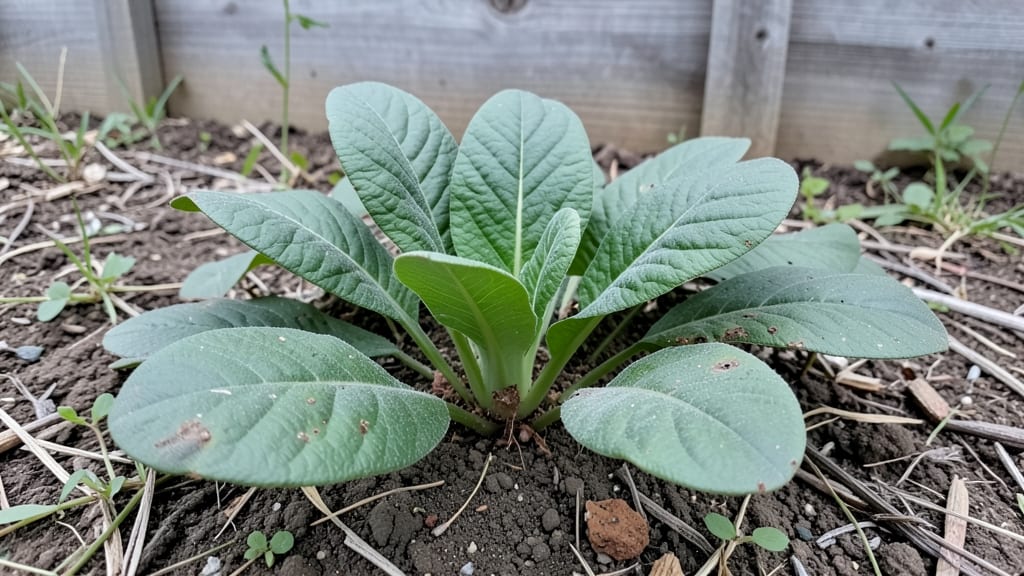
That tenacious plantain grass weed isn’t just a nuisance—it’s the lawn invader that spreads faster than you can mow. I’ve spent years battling these stubborn, low-growing troublemakers, and I’ve finally cracked the code for eradicating them without harsh chemicals.
The key? A mix of targeted removal, smothering techniques, and a few clever cultural tricks that keep them from staging a comeback.
Most people pull it by hand and watch it grow back within weeks—because you’re never getting the roots if you don’t dig deep enough.
I’ve tested everything from vinegar sprays to corn gluten meal, but the real game-changer is a combination of manual removal with a trowel (to avoid spreading seeds) and cardboard smothering for stubborn patches.
It’s backbreaking work at first, but once you see your lawn fill in with grass instead of plantain, you’ll wonder why you didn’t start sooner.
The payoff? A lawn that stays thick and green, not dotted with those pesky ribbons of leaves that pop up after every rain. You’ll notice the difference within two to three weeks of consistent effort—no more weeding between blades of grass, just a lush carpet that stays put.
The secret weapon? Preventing new seeds from taking hold by keeping your grass healthy and competitive.
This works whether you’re dealing with a small patch or an entire yard overrun—just adjust the method to your scale. Let’s get those weeds out for good, the natural way.
Root Causes Of Stubborn Grass Invaders
If you’ve ever stared at a patch of plantain grass weed (also called broadleaf plantain) and wondered why it keeps coming back despite your best efforts, the answer lies in its biology—and your lawn’s hidden weaknesses.
This resilient weed thrives because of specific conditions, and understanding them is the first step to eradicating it for good. Below, we break down the science-backed reasons why these weeds take over, so you can tackle the problem at its source.
🌱 Overcrowded or weak grass stands
Weeds like plantain grass flourish when your lawn’s grass isn’t strong enough to compete. Here’s why:
- Thin grass = easy entry. Healthy turf forms a dense mat that blocks sunlight and nutrients, starving weeds. But if your grass is sparse—due to drought, poor soil, or heavy foot traffic—plantain grass slips in, spreading its shallow roots and stealing resources.
- The shade factor. Plantain loves partial shade, often thriving where grass struggles (like under trees or in high-traffic areas). If your lawn has bare spots or weak patches, these weeds will colonize them faster than you can say “mow.”
- Compaction kills grass roots. Heavy foot traffic or machinery compacts soil, reducing oxygen and water access. Weakened grass can’t outcompete weeds, giving plantain the upper hand.
Actionable fix: Aerate compacted soil, overseed bare patches with shade-tolerant grass, and water deeply to strengthen roots. A thick lawn is the best weed deterrent!
💧 Poor watering habits fuel growth
Plantain grass weed is a master of adaptability—it thrives in both moist and dry conditions, but inconsistent watering is its favorite playground. Here’s how:
- Drought stress = weed feast. When lawns are underwatered, grass goes dormant, leaving gaps. Plantain’s deep taproots (yes, it’s deceptive—it’s not just a shallow weed!) let it survive dry spells while grass wilts. Once rain returns, it explodes in growth.
- Overwatering creates weed magnets. Excess moisture softens soil, making it easier for plantain seeds to germinate. Plus, soggy lawns attract insects and fungi that further weaken grass.
- The “feast or famine” cycle. Uneven watering (like deep soaks followed by drought) stresses grass, while plantain bounces back. It’s like giving your lawn whiplash—weeds thrive in the chaos.
Actionable fix: Water deeply 1–2 times per week (1–1.5 inches total) rather than daily shallow sprinkles. Use a rain gauge or tuna can to measure—consistency is key!
🌡️ Soil pH and nutrient imbalances
Plantain grass weed isn’t picky about soil, but it loves imbalances that grass can’t handle. Here’s the chemistry behind its success:
| Soil Issue | How It Helps Weeds | Grass Struggles With |
|---|---|---|
| High pH (alkaline, >7.0) | Plantain tolerates alkaline soil; grass (especially fescue or bluegrass) suffers from nutrient lockout (iron, manganese). | Chlorosis (yellowing), weak growth. |
| Low nitrogen (N) | Weeds like plantain grow slowly but persist; grass needs nitrogen to outcompete them. | Pale, stunted blades. |
| Compacted or clay-heavy soil | Poor drainage = waterlogged spots where plantain thrives. | Root rot, shallow roots. |
Actionable fix:
- Test your soil (kits cost $10–$20) and amend with sulfur (to lower pH) or lime (to raise pH) if needed.
- Apply a slow-release nitrogen fertilizer (like 24-0-6) in early spring to boost grass growth.
- For clay soil, mix in compost or gypsum to improve drainage.
🌾 Seed spread and longevity
Plantain grass weed isn’t just spreading from roots—it’s a seed bomb. Here’s how it outsmarts you:
- One plant = thousands of seeds. A single mature plantain can produce up to 15,000 seeds per season! These seeds lie dormant in the soil for 5+ years, waiting for the perfect moment to sprout.
- Mowing spreads seeds. When you mow, the plant’s seed heads (often mistaken for dandelions) scatter across your lawn, creating new colonies.
- Animals and tools help too. Birds, squirrels, and even lawnmowers carry seeds to new areas. That “weed-free” patch you treated? It might just be a ticking time bomb.
Actionable fix:
- Mow high (3–4 inches) to prevent seed heads from forming.
- Remove weeds by hand or with a weed puller before they go to seed (gloves recommended—those roots are stubborn!).
- Apply pre-emergent herbicide in early spring to block new seeds from germinating.
🛡️ Herbicide resistance and misapplication
If you’ve sprayed plantain grass weed before with no luck, you might be dealing with herbicide resistance—or simply using the wrong approach. Here’s why chemicals fail:
- Wrong herbicide type. Plantain is a broadleaf weed, so 2,4-D or dicamba-based herbicides work best. But if you’ve only used non-selective (like glyphosate), it might kill grass first, leaving bare spots for more weeds.
- Timing is everything. Spraying after rain or when weeds are stressed (drought, heat) reduces effectiveness. The best time? Active growth phase (spring/fall) on a dry, wind-free day.
- Resistance builds. Repeatedly using the same herbicide can create superweeds that ignore treatment. Rotate between 2,4-D, dicamba, and triclopyr for better results.
Actionable fix:
- Use a selective post-emergent herbicide (like Ortho Weed B Gon) and apply evenly to foliage (not soil).
- For stubborn patches, try a vinegar + dish soap spray (natural but requires repeat applications).
- Combine herbicide with corn gluten meal (pre-emergent) in early spring to prevent new seeds.
How to solve it
Dealing with persistent grass weeds like plantain can feel like an uphill battle—but with the right strategies, you can reclaim your lawn in weeks. Below are targeted solutions based on the root causes of weed growth, from overcrowded lawns to poor soil health.
Each method is designed to be effective, eco-friendly, and easy to implement, whether you’re tackling a small patch or a full yard.
###
🌱 Overcrowded or Thin Lawn → Fix with Proper Mowing & Seeding
Weeds thrive where grass struggles to compete. If your lawn is sparse or uneven, plantain grass weed will fill the gaps like an opportunist.
- 🔪 Raise Your Mower Blade: Set it to the highest recommended height (usually 3–4 inches) to shade out weeds and strengthen grass roots. Pro tip: Never cut more than ⅓ of the grass blade at once—this shocks the lawn and invites weeds.
- 🌱 Overseed Bare Spots: After mowing, rake out thin areas and sprinkle high-quality grass seed (like Kentucky bluegrass or fescue) mixed with compost. Water lightly daily for 2 weeks to help germination.
- 💡 Prevent Future Gaps: Apply a slow-release nitrogen fertilizer in early spring to encourage dense growth. Aim for 0.5–1 pound of nitrogen per 1,000 sq. ft.
###
💧 Poor Soil or Compacted Ground → Revive with Aeration & Organic Amendments
Weeds love compacted, nutrient-poor soil where grass can’t take root. Plantain grass weed often signals a lawn that’s stressed.
- ⏰ Aerate in Fall or Spring: Rent a core aerator to pull out small soil plugs (1–2 inches deep). This lets air, water, and nutrients reach the roots. Pro tip: Do this before overseeding for best results!
- 🌿 Add Compost or Peat Moss: Spread a ½-inch layer of organic matter over the lawn after aerating. Rake it in lightly or let it decompose naturally.
- 🎯 Test Your Soil: Use a DIY soil test kit (available at garden centers) to check pH and nutrient levels. Aim for a pH of 6.0–7.0—plantain weeds often indicate alkaline soil.
###
🌞 Excessive Sun or Heat Stress → Shade & Hydrate Smartly
Drought or scorching sun weakens grass, giving weeds a foothold. Plantain grass weed often pops up in hot, dry patches.
- 💦 Water Deeply but Infrequently: Water 1–1.5 inches per week (including rain), but do it in the early morning to reduce evaporation. Avoid daily light watering—this encourages shallow roots and weed growth.
- 🌳 Add Temporary Shade: If your lawn gets 6+ hours of direct sun, consider a lightweight shade cloth (30–50% block) during peak summer months to protect grass.
- 🌡️ Mulch with Grass Clippings: Leave clippings after mowing to act as a natural mulch, retaining moisture and cooling the soil.
###
🔥 Chemical or Herbicide Resistance → Natural Alternatives That Work
If you’ve tried herbicides without success, plantain grass weed may have built up resistance. Skip the harsh chemicals and try these organic, targeted methods.
- 🍳 Boiling Water or Vinegar: For small patches, pour boiling water directly on the weed (avoid desirable plants!) or spray a mix of:
- 1 gallon white vinegar
- 1 cup salt
- 1 tbsp dish soap (as a surfactant)
- 🌿 Corn Gluten Meal: Spread 20 lbs per 1,000 sq. ft. in early spring to prevent weed seeds from germinating. It’s non-toxic and feeds the soil!
- 🔥 Solarization (For Severe Cases):strong> Lay clear plastic sheeting over the infested area for 4–6 weeks in hot weather. The sun’s heat will kill weeds and pathogens without chemicals.
###
🛡️ Prevention Tips to Keep Weeds Away
The best defense is a healthy, competitive lawn. Once you’ve removed plantain grass weed, follow these steps to lock it out for good:
| Season | Task | Why It Works |
|---|---|---|
| Spring | Apply pre-emergent herbicide (or corn gluten meal) before weeds sprout. | Stops weed seeds from germinating when they’re most vulnerable. |
| Summer | Mow high and water deeply 2–3 times per week. | Stress-free grass outcompetes weeds for space and nutrients. |
| Fall | Aerate + overseed + top-dress with compost. | Repairs thin spots and boosts root strength before winter. |
| Year-Round | Walk on pathways instead of compacting lawn areas. | Prevents soil compression, which weeds love. |
✨ Bonus Tip: Train your kids or pets to avoid favorite weed spots—trampling weakens grass and encourages regrowth!
Frequently asked questions
Is broadleaf plantain the same as plantain grass weed?
Yes! Broadleaf plantain (Plantago major) is the scientific name for what most people call plantain grass weed. It’s that low-growing, ribbed-leaf weed that spreads aggressively in lawns and gardens. The key difference? True "plantain grass" is a misnomer—it’s not grass at all, but a broadleaf weed that thrives in compacted soil and weak turf.
Why does vinegar kill plantain grass weed but not always work?
Vinegar works because its acidity breaks down plantain’s cell structure, but it’s inconsistent due to three key factors: concentration (use 20-30% acetic acid), sunlight (works best in direct sun), and repeat applications. For stubborn patches, combine vinegar with 1 tbsp dish soap as a surfactant and reapply every 3-5 days until the weeds die back.
Can I eat broadleaf plantain if it grows in my lawn?
Yes, but only if your lawn is chemical-free! Broadleaf plantain is edible and packed with nutrients, often used in salads or cooked like spinach. However, avoid eating plantain from lawns treated with herbicides or pesticides. Always wash thoroughly and harvest from uncontaminated areas.
How do I know if my lawn has plantain grass weed seeds in the soil?
Look for new sprouts after rain or in spring—they’ll appear as tiny rosettes with ribbed leaves. Dig up a small patch: if you find tiny, brown seed pods (like miniature dandelion puffs), those are dormant seeds waiting to germinate. The good news? Pre-emergent herbicides or corn gluten meal can block them from sprouting.
Will solarization actually kill plantain grass weed roots?
Yes, but it requires 4-6 weeks of direct sunlight under clear plastic sheeting during hot weather (above 85°F). The heat kills both the foliage and roots by disrupting their cellular processes. For best results, water the area first to help trap heat, then monitor for regrowth—you may need a second treatment for stubborn patches.