
Diseases
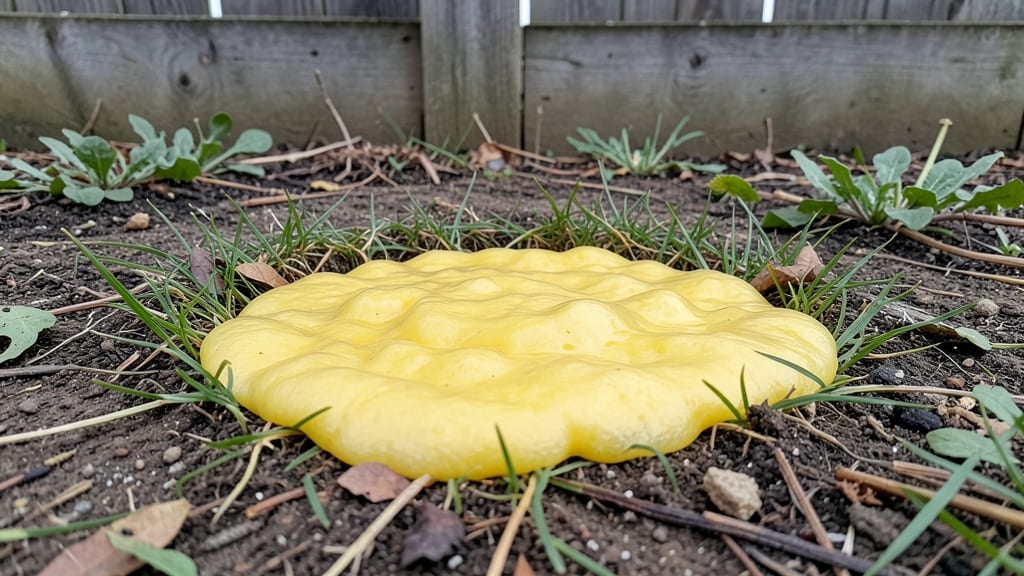
That mysterious yellow slime mold on the grass isn’t algae or moss—it’s a harmless but puzzling lawn visitor that vanishes with the right care. I've seen it turn manicured grass into a neon mess, but there's a simple way to identify it and send it packing for good.
The culprit thrives in damp, shaded spots with thick thatch or organic debris. It's not harmful to grass, but it looks unsightly and can signal poor drainage.
Most homeowners mistakenly assume it's fungus or moss, but this slime mold has a distinctive slimy texture and bright yellow color that sets it apart.
You'll eliminate it by improving airflow and drainage—raking the lawn, mowing higher, and fixing water issues. Within days, the yellow disappears, leaving behind healthy grass. The key is acting fast before it spreads to your entire yard.
This solution works for both cool-season and warm-season grasses, and the same principles prevent future outbreaks. Let's get your lawn looking clean and vibrant again.
Why it happens
Yellow slime mold on your grass isn’t just an eyesore—it’s a sign that your lawn’s ecosystem is out of balance. This eerie, jelly-like growth thrives under specific conditions, often popping up after rain or when moisture lingers.
Understanding the why behind its appearance helps you prevent it before it becomes a recurring nuisance. Let’s break down the key factors that turn your grass into a slime mold buffet.
🌧️ Overly Wet or Humid Conditions
Slime molds, including the yellow variety (Fuligo septica), are fungus-like organisms that rely on moisture to spread. When your lawn stays damp for extended periods—whether from heavy rain, poor drainage, or morning dew—they activate and release spores.
These spores germinate into a network of fine threads called hyphae, which eventually form the bright yellow, slimy fruiting bodies you see.
Why it happens:
- Poor drainage: Compacted soil or clay-heavy ground prevents water from draining, creating a soggy environment ideal for slime mold. 💡 Test your lawn’s drainage by digging a small hole and filling it with water—if it takes more than 30 minutes to drain, you’ve got a problem.
- Frequent rain or irrigation: Overwatering or living in a humid climate keeps the grassbed consistently moist. Slime mold spores, which lie dormant in soil, only need 48–72 hours of high humidity to germinate.
- Shaded or low-lying areas: These spots retain moisture longer, giving slime mold a head start. If your lawn has dips or is surrounded by trees, these zones are high-risk.
🍄 Decaying Organic Matter as a Food Source
Slime molds are decomposers, meaning they feed on dead plant material, leaf litter, and even thatch. When your lawn has a thick layer of organic debris—like fallen leaves, grass clippings, or dead weeds—it creates a nutrient-rich smorgasbord for these organisms.
Why it happens:
- Thatch buildup: A thatch layer thicker than ½ inch traps moisture and organic matter, accelerating decomposition. Slime mold thrives in this warm, damp environment. 🔥 Dethatch your lawn in early spring or fall to reduce food sources.
- Leaf litter or mulch piles: If you’ve recently raked leaves or applied wood chips near your grass, the decaying material can trigger slime mold growth.
- Weak or dying grass: Stressed turf (from drought, pests, or disease) produces more dead roots and stems, which slime molds happily consume.
🌱 Disturbed Soil and Compacted Turf
Slime mold spores are everywhere—in soil, mulch, and even on tools. When the ground is disturbed (like after aeration, tilling, or heavy foot traffic), spores get exposed to the perfect conditions to grow.
Compacted soil also restricts root growth, weakening the grass and making it easier for slime mold to take over.
Why it happens:
- Recent lawn treatments: Aeration, overseeding, or even vigorous raking can disrupt the soil’s surface, allowing spores to germinate. ⏰ Wait at least 2–3 weeks after aerating before slime mold typically appears.
- High foot or pet traffic: Areas where people or animals walk frequently can become compacted, reducing oxygen and water flow to roots. This stress signals slime mold that “easy meals” (dead roots) are available.
- Construction or soil amendments: Digging, adding compost, or even spreading fertilizer can introduce spores deeper into the soil, where they’ll activate when moisture returns.
🌡️ Warm, Stable Temperatures
Slime mold doesn’t love extreme heat or cold—it prefers moderate, consistent temperatures between 50°F and 75°F (10°C–24°C). This range is common in spring and fall, which is why you often see outbreaks during these seasons.
If your lawn stays in this “goldilocks zone” for a few days with high humidity, expect a slime show.
Why it happens:
- Seasonal transitions: Spring rains combined with warming soil create ideal conditions. Similarly, fall’s cooler nights and warm days mimic this sweet spot.
- Microclimates in your yard: South-facing slopes or areas near foundations can stay warmer longer, extending the slime mold’s growing window.
- Greenhouse effect from debris: Thick mulch or leaf piles trap heat, keeping the soil warm and moist—perfect for slime mold.
Quick Fixes for Unwanted Lawn Slime
Discovering a yellow, slimy patch on your grass can feel like a nightmare—especially when you’re not sure how to tackle it. The good news? Slime molds (like Fuligo septica, the "dog vomit" slime mold) are harmless to your lawn and won’t damage plants, but they’re still unsightly.
With the right approach, you can banish them fast and keep them from coming back. Below are practical, step-by-step solutions tailored to the root causes of your slime mold problem.
🔥 Remove It Now: Immediate Cleanup
Slime molds thrive in damp, shaded areas, but they’re surprisingly easy to remove. Here’s how to erase them without harming your grass:
- ✅ Wait for dry weather – Slime molds are most active after rain or watering. Wait until the lawn is dry to avoid spreading spores. A sunny day is ideal!
- 🧹 Scrape it off – Use a stiff plastic putty knife, garden rake, or even a credit card to gently scrape the slimy mass into a trash bag. Avoid metal tools, as they can tear grass fibers.
- 🚯 Dispose properly – Seal the slime in a plastic bag and toss it in the trash (or compost if you’re confident it’s fully dry). Do not leave it on the lawn—it’ll just regrow!
- 💦 Rinse tools – Clean your tools with soapy water and disinfect with a 10% bleach solution (1 part bleach to 9 parts water) to prevent reinfestation.
Pro Tip: 💡 If the slime is on a large area, use a leaf blower to dry it out first—this makes removal much easier!
🌡️ Adjust Conditions: Prevent Regrowth
Slime molds love moisture, shade, and organic debris. To stop them from returning, tweak your lawn’s environment:
- ☀️ Improve airflow – Thin out dense grass or trim overgrown plants near the affected area. More sunlight = less slime!
- 💧 Water wisely – Water early in the morning so the lawn dries quickly. Avoid evening watering, which keeps soil damp overnight.
- 🍂 Clear debris – Remove fallen leaves, mulch, or thatch from the lawn. Slime molds feed on decaying organic matter—less food = fewer outbreaks.
- ✂️ Mow regularly – Keep grass at a consistent height (2–3 inches) to reduce humidity trapped near the soil.
Pro Tip: 🌡️ If your lawn stays soggy due to poor drainage, consider aerating or adding sand to improve water flow.
🎯 Long-Term Defense: Natural Deterrents
While slime molds aren’t harmful, you can use natural methods to discourage them from sticking around:
- 🌿 Apply cornmeal – Sprinkle cornmeal (not cornmeal fertilizer) over the area. The fungi in cornmeal compete with slime molds for nutrients, acting as a natural fungicide.
- 🧴 Use hydrogen peroxide – Mix 3% hydrogen peroxide with water (1:3 ratio) and lightly spray the affected area. This dries out spores without harming grass.
- 🌱 Encourage beneficial microbes – A healthy lawn with diverse soil microbes is less hospitable to slime molds. Consider a light application of compost tea to boost microbial activity.
Pro Tip: ✨ Avoid chemical fungicides—they’re unnecessary and can disrupt your lawn’s natural balance.
⏰ When to Call in Backup
If slime molds keep reappearing despite your efforts, there might be an underlying issue, like:
- 🌧️ Poor drainage – Water pools in low spots, creating a slime-mold paradise.
- 🍄 Excessive organic buildup – Thick thatch or compost piles nearby provide a buffet for slime molds.
- 🌿 Overly shaded lawn – If the area stays damp and dark, consider planting sun-loving grasses or adding light.
In these cases, consult a local lawn care professional. They can assess drainage, soil health, or even suggest grass varieties that thrive in your climate.
Slime molds may be a weird lawn mystery, but they’re not a serious threat—just an annoying one. With these steps, you’ll have your grass looking clean and healthy in no time! 🚀
Frequently asked questions
Is yellow slime mold harmful to my grass or pets?
Yellow slime mold is completely harmless to your lawn and pets! It won't damage grass or spread diseases—it's just an unsightly decomposer that feeds on organic matter. Pets can walk on it without any risk, though it might look unappetizing. The only "harm" is to your lawn's appearance until you remove it.
Why does yellow slime mold keep coming back after I remove it?
Slime mold returns because the conditions that created it—like excess moisture, shade, or organic debris—likely still exist. To prevent regrowth, improve drainage, clear leaf litter, and thin dense grass to increase airflow. If it persists, check for poor soil drainage or thatch buildup that needs addressing.
Can I use vinegar or bleach to kill yellow slime mold?
While vinegar (1:1 water ratio) or diluted bleach (1 tbsp per gallon) can kill slime mold, they're unnecessary and may harm your lawn over time. Stick to natural methods like scraping it off, improving airflow, and removing organic debris. These approaches are safer and more sustainable for your grass.
Will mowing higher help prevent yellow slime mold?
Yes! Mowing grass at 2-3 inches reduces humidity near the soil and improves airflow—both key factors in preventing slime mold. Taller grass also shades the soil less, helping it dry faster after rain. Just avoid cutting more than ⅓ of the blade height at once to prevent stress.
Is yellow slime mold the same as moss or algae?
No, they're completely different! Slime mold is a slimy, jelly-like fungus that appears bright yellow and disappears when dry. Moss stays green and soft, while algae creates green or black slimy patches that stay wet. Slime mold has a distinctive "melting" texture when disturbed, unlike the flat growth of moss or algae.