
Pests
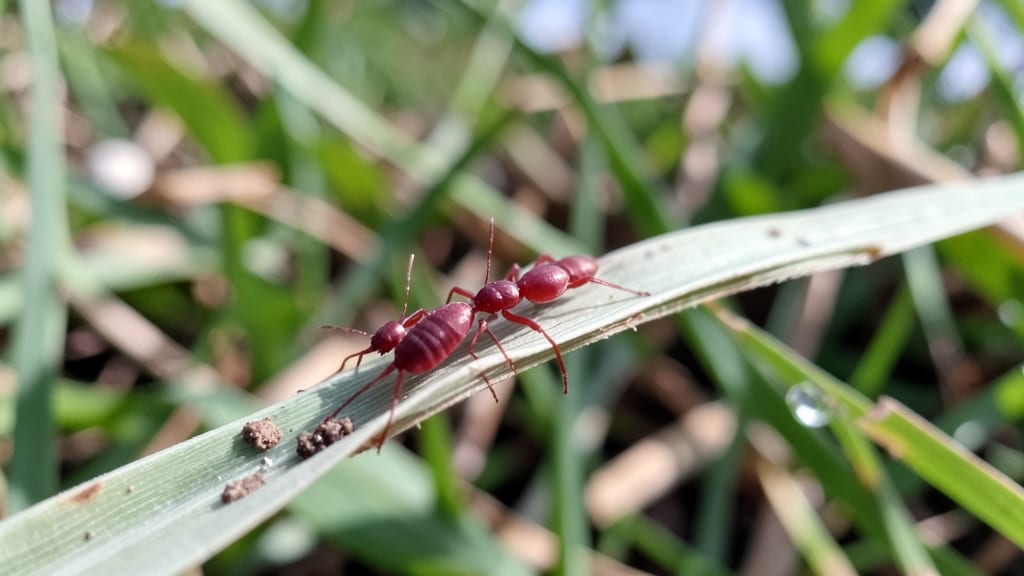
Seeing tiny red bugs swarming your grass isn't just annoying—it's a fast-moving crisis that can turn lush lawns into patchy brown messes in weeks.
I’ve had chinch bugs strip my entire yard of green in under a month, and the key to stopping them is knowing exactly what you’re dealing with before they multiply beyond control.
The worst part? These bugs are masters of disguise—often mistaken for harmless red mites or even ladybug larvae. But chinch bugs, the real culprits, leave behind a trail of damage that starts at the grass blades and works its way down to the roots.
The good news? Once you spot them, you can act fast with targeted solutions that actually work, not just temporary fixes.
You’ll learn how to tell the difference between harmless red bugs and the destructive kind in minutes, plus the quickest organic and chemical methods to eliminate them before they spread. No more guessing games—just clear steps to reclaim your lawn’s vibrant green in record time.
Whether you’re dealing with a small patch or a full-blown infestation, this guide cuts through the confusion so you can act fast and keep your grass thriving. Let’s get those bugs under control before they take over completely.
Root Causes Behind Grass Invaders
Discovering tiny red bugs crawling through your lawn isn’t just a nuisance—it’s often a sign of deeper environmental or ecological imbalances. These pests rarely appear out of nowhere; instead, they’re drawn to specific conditions that make your yard an ideal habitat.
Understanding why they’re there is the first step to stopping them for good. Below, we break down the most common triggers, backed by science, so you can address the problem at its source.
🌱 Overwatered or moist soil
Many tiny red bugs—like chinch bugs or springtails—thrive in damp, soggy grass. Excessive moisture creates the perfect breeding ground because:
- Slower evaporation: Waterlogged soil stays cool and humid longer, which these bugs prefer over dry conditions.
- Fungal growth: Overwatering encourages mold and mildew, which some species (like fungus gnats) feed on.
- Weakened grass roots: Overwatered lawns are stressed, making them easier targets for pests seeking easy meals.
Actionable fix: Test your soil’s drainage—if water pools after 6+ hours, your yard may be too wet. Adjust your watering schedule to early morning (before 10 AM) and aim for 1 inch per week, including rainfall. Consider aerating compacted soil to improve airflow.
🍃 Thatch buildup and organic debris
Thatch—a layer of dead grass, roots, and debris between the soil and green blades—is a bug buffet. It traps moisture, provides shelter, and offers food sources like:
- Chinch bugs: Hide in thatch to avoid predators and lay eggs near grass roots.
- Sod webworms: Chew through thatch to reach tender grass stems.
- Springtails: Flourish in decaying organic matter, which thrives in thick thatch.
Actionable fix: Dethatch your lawn in early spring or fall using a rake or vertical mower. Keep grass clippings short (never leave them piled) and remove leaf litter promptly. A thatch layer thicker than ½ inch is a red flag.
🌿 Poor lawn health and weak grass
Stressed or thin grass is like an open invitation for pests. Healthy turf repels many bugs naturally, but when grass is weak, invaders move in for these reasons:
- Lack of competition: Dense grass outcompetes weeds and pests for space. Sparse lawns leave gaps for bugs to nest.
- Nutrient deficiencies: Grass low in nitrogen or potassium is easier to digest for chewing insects.
- Disease or pest damage: Once grass is compromised (e.g., by grubs or fungus), secondary pests like chinch bugs follow.
Actionable fix:
- Test your soil (pH should be 6.0–7.0 for most grasses). Amend with compost or lime if needed.
- Fertilize in early spring with a slow-release, high-nitrogen formula (look for 25–0–5 ratios).
- Overseed bare spots in fall with a mix suited to your climate (e.g., tall fescue for cool regions).
🌍 Climate and seasonal triggers
Tiny red bugs often explode in numbers during specific weather patterns or times of year. Here’s how climate plays a role:
| Season | Bug Type | Why They Appear |
|---|---|---|
| Spring | Chinch bugs, springtails | Warmer soil (above 50°F) signals hatching time. Melting snow also increases moisture. |
| Summer | Sod webworms, fungus gnats | Heat and humidity create ideal conditions for fungal growth (food for gnats) and larval development. |
| Fall | Grubs (Japanese beetle larvae) | Cool, damp soil encourages egg-laying by adult beetles. Grubs then feed on roots until winter. |
Actionable fix: Monitor your lawn’s microclimate. Use mulch mowing in summer to reduce heat stress on grass. In fall, apply grub control (like imidacloprid) preemptively if your area is prone to beetle infestations.
💡 Pro Tip: If bugs persist after fixing moisture, thatch, or grass health, they might be secondary pests—meaning another issue (like grubs or ants) is already present. Set out yellow sticky traps to confirm their identity before treating.
Quick Fixes for Tiny Red Invaders
Discovering tiny red bugs scurrying through your grass can feel like an unwelcome surprise—but don’t panic! These pests, whether they’re chinch bugs, harlequin bugs, or fire ants, respond well to targeted action.
Below, we’ll break down the best solutions based on the likely culprit, along with simple steps to keep them from returning. Let’s reclaim your lawn, one step at a time. 🚀
🔍 Identify First, Then Act
Before grabbing the first pesticide you see, take a moment to confirm what you’re dealing with. A quick inspection can save time and money:
- Chinch bugs: Tiny (1/8 inch), red with white markings, often clustered near grass blades.
- Harlequin bugs: Bright red with black spots, found in garden beds or near plants.
- Fire ants: Reddish-brown with a stinger, mounding in grass or soil.
Pro tip: 🔥 Snap a photo and compare it to online guides or call your local extension office for a second opinion.
🛠️ Solutions by Culprit
🌱 For Chinch Bugs (Grass-Loving Menaces)
Chinch bugs thrive in dry, sunny lawns and can kill grass in patches. Here’s how to stop them:
- 💦 Hydrate Your Lawn
- Water deeply 2–3 times per week (1 inch total) to stress them out. Chinch bugs hate moisture!
- Early morning watering helps grass recover faster.
- 🔥 Spot-Treat with Insecticide
- Use a pyrethrin-based spray (like those for fleas) or a neem oil solution (mix 2 tbsp neem oil + 1 tsp dish soap per gallon of water).
- Spray directly on affected areas—avoid overspraying healthy grass.
- 🌱 Reseed Bare Spots
- After treatment, overseed thin or dead patches with chinch-bug-resistant grass like tall fescue or Bermuda.
- 🔄 Prevent Future Outbreaks
- Mow high (3–4 inches) to shade soil and deter eggs.
- Apply a slow-release nitrogen fertilizer to boost grass resilience.
🍃 For Harlequin Bugs (Garden Bandits)
These vibrant pests target plants like cabbage, beans, and lettuce. Act fast to protect your veggies!
- 🧽 Handpick & Squish
- Wear gloves and drop them into soapy water (1 tbsp dish soap per gallon). Gross but effective! 😷
- Check the undersides of leaves daily.
- 🛡️ Use Row Covers
- Cover young plants with floating row covers to block adults from laying eggs.
- 💦 Spray with Soap or Oil
- Mix 1 tsp horticultural oil or castile soap per quart of water and spray early in the morning (avoid direct sunlight to prevent plant burn).
- 🌿 Rotate Crops
- Avoid planting susceptible veggies (like brassicas) in the same spot next year.
🐜 For Fire Ants (Aggressive Nesters)
Fire ants build mounds and sting—here’s how to evict them for good:
- 🔥 Drench Mounds with Boiling Water
- Pour 2–3 gallons of boiling water directly onto the mound. This kills the queen and workers instantly. ⚠️ Warning: Do this on a non-windy day and avoid pets/kids nearby.
- 💊 Use Bait Stations
- Place fire ant bait granules (like Amdro or Ortho) around the yard. Workers carry it back to the colony, eliminating the nest from within.
- 🌡️ Solarize the Soil (For Stubborn Mounds)
- Cover the mound with clear plastic sheeting for 4–6 weeks in hot weather (90°F+). The heat sterilizes the nest.
- 🏡 Seal Entry Points
- Check for ants near sidewalks, patios, or foundations and apply a diatomaceous earth barrier (food-grade only).
🛡️ Universal Prevention Tips
No matter the pest, these habits keep tiny red bugs at bay:
- 🌡️ Maintain Lawn Health: Mow, water, and fertilize regularly to make your grass less appealing.
- 🧹 Remove Debris: Clear leaves, thatch, and weeds where bugs hide.
- 🕵️ Monitor Early: Check your yard weekly in spring/summer for early signs.
- 🐝 Support Beneficial Insects: Ladybugs and lacewings eat chinch bug eggs—plant dill, fennel, or marigolds to attract them.
Remember: 💡 Most tiny red bugs are easy to control with patience and consistency. If the problem persists after 2–3 weeks, consult a local pest control expert for heavier-duty solutions.
Frequently asked questions
Are tiny red bugs in grass always harmful?
Not all red bugs are destructive—some like ladybug larvae or aphid-eating red mites actually help your garden. The harmful ones (like chinch bugs or fire ants) leave behind brown patches or mounds. Check for damage: if your grass is wilting or dying in patches, they’re likely pests needing action.
How do I tell if they’re chinch bugs vs. fire ants?
Chinch bugs are 1/8-inch with white markings and cluster near grass blades, while fire ants build volcano-shaped mounds and sting when disturbed. Use a magnifying glass: chinch bugs have a beak-like mouth (for sucking plant juices), while ants have elbowed antennae and segmented bodies. Snap a photo for confirmation!
Will over-the-counter sprays kill them instantly?
Most sprays work within 24–48 hours for visible bugs, but eggs and larvae may survive. For chinch bugs, focus on neem oil or pyrethrin sprays—they’re safer for pets and break down faster. Fire ants require bait stations (like Amdro) to eliminate the colony from within. Reapply after rain or every 7–10 days for best results.
Can tiny red bugs spread to my garden or house?
Some species (like harlequin bugs) target garden plants (cabbage, beans), while others (like fire ants) may nest near foundations. If you see them indoors, seal cracks and use diatomaceous earth near entry points. Most lawn pests stay outside unless lured in by food scraps or moisture—keep your yard dry and debris-free to deter them.
Why do they keep coming back after treatment?
Pests often return if their food source (weak grass) or shelter (thatch/debris) isn’t addressed. After treating, aerate your lawn, reseeds bare spots, and reduce watering (chinch bugs hate dry conditions). For fire ants, repeat bait stations every 3 months—queens can lay 1,500 eggs per week if untreated!