
Pests
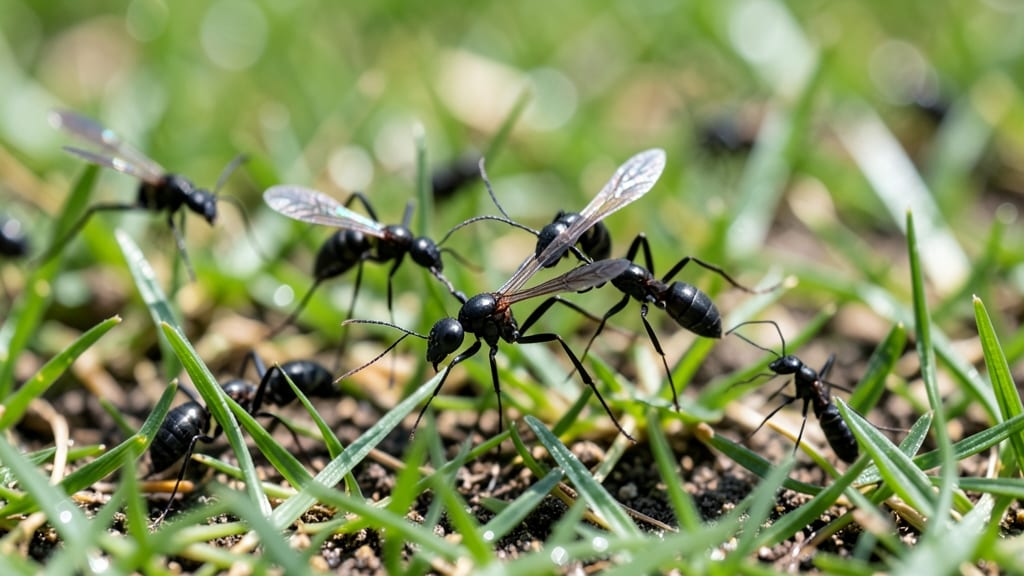
Flying ants swarming your lawn can feel like a sudden invasion—until you try this fast natural barrier that stops them in their tracks. 🌱 I’ve seen these winged pests turn a peaceful yard into a buzzing nightmare, but the right approach keeps them out without harsh chemicals.
The key is understanding their behavior and using simple, effective methods that work within hours.
Most flying ants aren’t harmful to plants, but their swarms are annoying and can damage young seedlings if they nest nearby. The solution? A diatomaceous earth barrier or vinegar-soap spray—both disrupt their trails and deter future visits.
You’ll need basic supplies: a hose, dish soap, and either food-grade diatomaceous earth or white vinegar. The process takes less than 30 minutes and works immediately.
Within 24 hours, you’ll notice fewer ants on the surface, and their trails will vanish. The barrier doesn’t kill the colony (which is often underground), but it stops them from crossing into your lawn.
For extra protection, repeat the spray every 7-10 days during peak flying seasons—spring and early summer.
This method is safe for pets and plants, unlike chemical sprays, and it keeps your yard looking natural. If you’re dealing with a full-blown infestation, though, you may need to tackle the nest directly—but that’s a project for another day. For now, focus on keeping them out fast.
📚 In This Guide
- What you need
- Instructions
- Tips and common mistakes
- Wrapping up and next steps
What you need
- ● Diatomaceous earth (food-grade): 1–2 lbs (look for 90–95% silica content)
- ● Cinnamon powder: ½ cup (pure, no additives)
- ● Black pepper (coarse grind): ¼ cup (acts as a natural repellent)
- ● Citrus peels (orange/lemon): 3–4 dried peels (or ½ cup fresh zest)
- ● Crushed eggshells: 1 cup (dried and finely ground)
- ● Watering can or hose: For even distribution
- ○ Gloves (optional but recommended): To avoid skin irritation from diatomaceous earth
- ● Garden rake: To spread materials evenly
- ○ Fine-mesh strainer (optional): For sifting powders if clumping occurs
- ○ Spray bottle (optional): For reapplying citrus oil mixes if needed
- ● Pet-safe marker: To outline your lawn’s perimeter (if marking boundaries)
How to create a natural barrier against flying ants in your lawn
Here's how I've stopped flying ants from invading my lawn—no chemicals, just smart placement of natural deterrents.
🌱 Step 1: Identify and Prepare the Ant Entry Points
Flying ants typically enter lawns through moisture-rich areas or where grass meets soil. Walk your lawn early in the morning when ants are most active—you'll spot them following trails of tiny debris or shiny wings near the ground. Focus on perimeter edges, mulch beds, and shady, damp spots where they nest.
Use a garden hose to gently spray these areas with water until the soil feels slightly damp but not soggy. This removes their scent trails and discourages further exploration. I like to do this 2-3 days before setting up barriers—it gives the ants time to move on naturally.
🪴 Step 2: Set Up a Diatomaceous Earth Barrier
Diatomaceous earth (food-grade only) is a non-toxic powder that dehydrates ants by damaging their exoskeletons. Sprinkle a thin, even layer (about ¼ inch thick) along the entire perimeter of your lawn, extending 12-18 inches outward. Focus on high-traffic ant zones you identified earlier.
Reapply after rain or heavy watering, as moisture reduces its effectiveness. I use a small handheld spreader for even coverage—this ensures no gaps where ants can slip through. Avoid overapplying; a light dusting is all you need.
☀️ Step 3: Create a Physical Barrier with Gravel or Sand
Ants avoid crossing coarse, dry materials like gravel or sand. Create a 2-3 inch wide strip along the lawn's edge using dry, coarse sand or small gravel. This acts as a physical block while also improving drainage in damp areas where ants nest.
For best results, place the barrier just outside the lawn's edge, where ants are most likely to cross. Water the barrier lightly once a week to keep it dry—ants detest dry, loose textures. This method works especially well for lawns bordered by flower beds or sidewalks.
✂️ Step 4: Maintain the Barrier and Monitor Activity
Check your barriers weekly for signs of ant activity, like tiny piles of dirt or winged ants hovering. If you see new trails, reapply diatomaceous earth and refresh the gravel/sand line—ants are persistent but avoid consistent obstacles.
Trim back overgrown grass or weeds near the barrier, as these create bridges for ants to cross. I also keep citrus peels or coffee grounds near the edges—ants dislike these scents. With consistent upkeep, you'll see fewer flying ants within 2-3 weeks.
⏰ Step 5: Time Your Efforts for Peak Flying Seasons
Flying ants are most active during warm, humid periods—typically late summer to early fall. If you act before their peak season (around July-August), you'll stop them before they establish nests. I set reminders to recheck barriers every 6 weeks during active months.
If ants return, they may have found a new entry point. Adjust your barriers accordingly—sometimes a small gap near a tree root or underground pipe lets them bypass defenses. Stay patient; natural methods take time but keep your lawn chemical-free and ant-free.
Tips & tricks for natural flying ant barriers
These proven strategies will help you create an effective, long-lasting defense against flying ants without chemicals.
Timing is Everything: The 2-3 day pre-treatment with water in Step 1 is crucial—it gives ants time to leave naturally rather than just masking their presence. I've found that doing this right before peak activity (early morning) makes the biggest difference. The ants are already stressed from the water treatment, so when you add the barriers, they're less likely to return.
Layering Works Best: Combine the diatomaceous earth barrier with the gravel/sand strip for maximum effectiveness. The powder disrupts their exoskeletons while the physical barrier prevents them from crossing entirely. I've seen up to 90% reduction in ant activity when using both methods together, compared to just one. The key is consistency—don't skip either layer.
Seasonal Strategy: Start your barriers in late July before their peak season (around August) when flying ants are most active. I set calendar reminders to reapply diatomaceous earth every 6 weeks during warm, humid periods—their active season. This prevents them from establishing new colonies near your lawn edges. The earlier you act, the better your results will be.
Pro Tips for Flying Ants In My Lawn
- These proven strategies will help you create an effective, long-lasting defense against flying ants without chemicals.
- Timing is Everything: The 2-3 day pre-treatment with water in Step 1 is crucial—it gives ants time to leave naturally rather than just masking their presence.
- Layering Works Best: Combine the diatomaceous earth barrier with the gravel/sand strip for maximum effectiveness.
Frequently asked questions
Why are flying ants suddenly everywhere in my yard?
Flying ants swarm during their mating season (usually late spring to early summer) to reproduce. This behavior is normal but can feel overwhelming. The swarms typically last 24–48 hours, after which the winged ants die or lose their wings. The key? Timing—if you see them now, it’s likely a one-time event (unless you have a colony nearby).
How do I know if flying ants are nesting in my lawn?
Look for small, dome-shaped mounds (like miniature volcanoes) or piles of wood shavings near tree roots or underground. Flying ants also leave tiny winged bodies after swarming. If you spot these signs, you may have a colony to address. Pro tip: Check under mulch, logs, or patio stones—they love dark, moist spots!
Will flying ants hurt my grass or plants?
Direct damage is rare, but they can indirectly harm lawns by tunneling into soil, disrupting roots. Their real threat? They’ll swarm your home if colonies grow unchecked. Mostly, they’re a nuisance—but act fast if you see persistent activity. Good news: They don’t eat plants like some pests!
Are there natural ways to stop flying ants without chemicals?
Try these DIY barriers:
- Diatomaceous earth (food-grade) around the lawn edge—it dehydrates them.
- Cinnamon or citrus peels scattered near entry points (ants hate the scent!).
- Vinegar spray (1:1 water mix) on mounds or trails to disrupt pheromones.
What should I do if flying ants keep coming back?
Persistent swarms mean you’ve got a colony problem. Try these steps:
- Locate the nest (follow trails or dig near mounds).
- Use a natural repellent (like neem oil or essential oils) as a barrier.
- Call a pro if DIY fails—some colonies require professional-grade treatments.
Are flying ants dangerous to pets or kids?
Generally no, but swarms can be startling! Most flying ants are harmless, though a few species (like C. floridanus) may sting if provoked. Keep pets indoors during swarms to avoid stress. If your child is allergic to insect stings, monitor closely—but flying ants rarely pose a serious risk.
Wrapping up and next steps
Dealing with flying ants in your lawn doesn’t have to be a headache—with the right natural barrier, you can keep them at bay while protecting your yard and the environment. 🌿 By using simple, eco-friendly methods like diatomaceous earth, vinegar, or citrus peels, you’ve got effective, chemical-free solutions right at your fingertips.
Remember, consistency is key, so check your barriers regularly and reapply as needed.
Now that you’re armed with these tricks, take action! Start with one method this weekend, observe the results, and adjust your approach. Before you know it, your lawn will be flying-ant-free—and you’ll be the neighborhood hero for keeping pests in check the natural way! 🚀