
Lawn
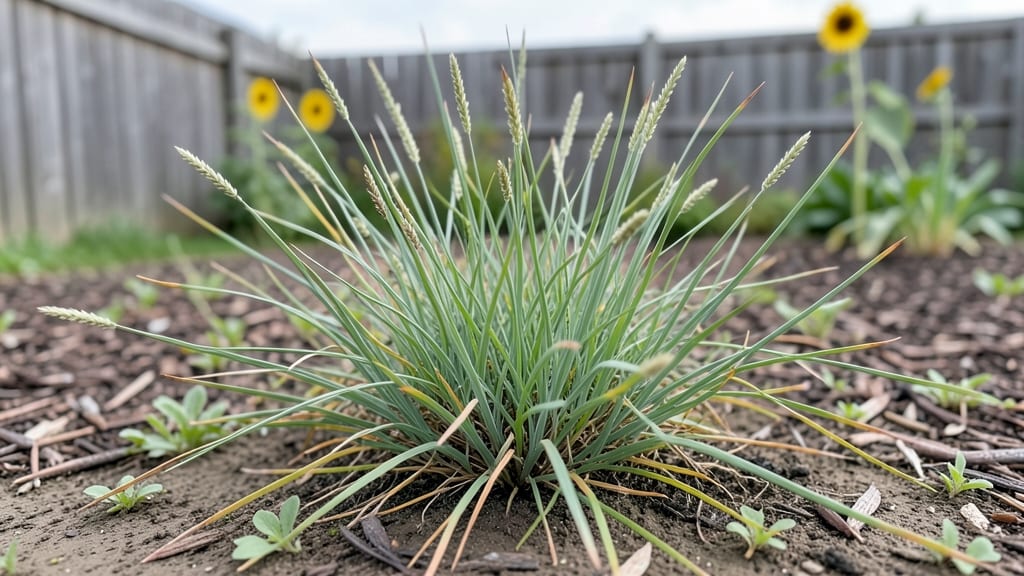
A yellow grass field might look stunning in a meadow, but in your backyard, it’s a sign your lawn needs attention—before it’s too late.
Waking up to a vibrant green lawn only to find patches of yellow grass can be frustrating—especially when you’ve invested time and effort into maintaining your outdoor space. But before you panic, the good news is that uneven color rarely means your lawn is doomed.
Yellowing grass often points to hidden issues like nutrient deficiencies, overwatering, or even soil problems that are easier to fix than you think. With the right approach, you can restore that lush green in just three easy steps—no green thumb required.
Here’s how to diagnose the problem, pick the fastest solution, and keep your grass thriving for seasons to come. Let’s get started.
Why your grass field turns yellow: 5 common causes
Waking up to patches of yellow grass in your field can feel like a mystery, especially when you’ve been diligent about lawn care. The good news? Most yellowing issues are fixable once you identify the root cause.
Unlike natural seasonal changes, which affect grass uniformly, these problems often appear in distinct patterns—patches, stripes, or gradual discoloration—that reveal their specific triggers.
Before reaching for fertilizers or fungicides, take a closer look at your grass. Is the yellowing uniform or patchy? Does it appear after rain, drought, or heavy foot traffic? These clues help narrow down the culprit.
The most common causes—nutrient deficiency, overwatering, fungal infections, pest damage, and soil compaction—each leave unique visual clues that I’ll break down below.
Understanding these signs is your first step toward a lush, green lawn. For example, nitrogen deficiency often shows as pale yellow patches, while fungal diseases like brown patch create circular, water-soaked spots. Let’s dive into the specifics so you can diagnose—and fix—your yellow grass field with confidence.
-
1. Nutrient Deficiency
Pale yellow patches, often uniform, signal lack of nitrogen. Grass blades may also feel soft or thin. Check for uneven growth or stunted areas. -
2. Overwatering
Yellowing with a soggy, spongy texture indicates overwatering. Look for mushrooms or mold near the base of grass—signs of excess moisture. -
3. Fungal Infections
Circular brown or yellow patches with darker rings suggest fungal diseases like brown patch or dollar spot. Grass may pull up easily. -
4. Pest Damage
Irregular chewed or thinning patches with grubs or insects (like chinch bugs) are common. Check for wilted blades or holes in the soil. -
5. Soil Compaction
Yellowing in high-traffic areas with a hard, dense soil surface points to compaction. Grass may struggle to grow roots.
One of the first things I check when diagnosing yellow grass is the pattern of discoloration. For instance, nitrogen deficiency often starts as pale yellow patches that spread slowly, while fungal infections appear as distinct circles with darker borders.
If you notice grubs or insects in the soil, pest damage is likely the culprit. Even seasonal changes can mimic these issues, but they typically affect the entire lawn evenly rather than in patches.
Another key visual cue is the texture of the grass. Overwatered grass feels squishy or mushy, while compacted soil may reveal hard, crusty surfaces when dug into. If your grass pulls up easily with roots, it could signal root rot from overwatering or fungal decay.
Always dig a small test hole to inspect the roots and soil beneath.
Don’t overlook the role of seasonal changes in your diagnosis. Early spring or late fall yellowing is often natural as grass adjusts to temperature shifts. However, if yellow patches persist beyond 2-3 weeks or worsen, it’s time to investigate further.
For example, cool-season grasses like Kentucky bluegrass may turn yellow in summer heat, but they should rebound when temperatures drop.
If you suspect nutrient deficiency, perform a simple soil test to check pH and nutrient levels. Most lawns need nitrogen, phosphorus, and potassium to stay green. A deficiency in iron or magnesium can also cause yellowing, often appearing as interveinal chlorosis (yellowing between leaf veins).
Addressing these imbalances with organic fertilizers or soil amendments can restore vibrancy quickly.
For fungal infections, look for damp, humid conditions that encourage fungal growth. Early morning dew or poor drainage can create the perfect environment. If you spot dark, water-soaked patches, act fast with fungicides or natural remedies like neem oil.
Prevent future outbreaks by improving airflow with proper mowing height and avoiding overhead watering.
Pest damage often goes unnoticed until it’s severe. Chinch bugs, grubs, and armyworms are common culprits, leaving behind irregular holes or thinning grass. If you see birds pecking at your lawn or wilted blades, inspect the soil for pests.
Treat infestations with organic pesticides or encourage natural predators like ladybugs or nematodes.
Finally, soil compaction is a silent killer of lawns, especially in high-traffic areas. Compacted soil prevents water and oxygen from reaching grass roots, leading to yellowing and stunted growth.
Test for compaction by pushing a screwdriver into the soil—if it won’t go in more than an inch, your soil is compacted. Aerate your lawn in spring or fall to loosen the soil and improve root health.
Step-by-step fixes for yellow grass by problem type
Yellow grass doesn’t always mean your lawn is dying—it’s often a sign of specific stress factors that are easily fixable with the right approach. The key is identifying the root cause first, then applying targeted solutions.
For example, nutrient deficiencies require fertilization, while fungal issues need organic treatments. Let’s break down the fixes based on the most common problems.
Start by examining the pattern and texture of the yellowing. Is it uniform or patchy? Does the grass feel spongy or dry? These clues will help you narrow down the solution. For instance, dry, crispy patches usually indicate underwatering, while soft, mushy areas suggest overwatering or fungus.
Once you’ve identified the issue, the fixes below will guide you to a greener lawn in no time.
| Problem Type | Quick Fix | Long-Term Solution | Expected Results |
|---|---|---|---|
| Nutrient Deficiency | Apply balanced fertilizer (10-10-10) or compost | Soil test every 6 months; top-dress with compost annually | Green in 3-7 days |
| Overwatering | Reduce watering to 1 inch per week; improve drainage | Aerate soil annually to prevent compaction | Recovers in 1-2 weeks |
| Fungal Infection | Sprinkle baking soda (1 tbsp/gallon) or neem oil | Mow high (3-4 inches) to improve airflow | Improves in 5-10 days |
| Pest Damage | Apply grub control or diatomaceous earth | Encourage beneficial nematodes naturally | Recovers in 2-3 weeks |
| Soil Compaction | Hand-water affected areas to loosen soil | Aerate with core aerator in spring/fall | Improves in 10-14 days |
For nutrient deficiencies, I recommend testing your soil first using a DIY kit from your local garden center. If the results show low nitrogen levels, apply a quick-release fertilizer like milorganite or a compost tea.
Water the lawn lightly afterward to help nutrients absorb into the roots. If your grass is dormant in summer, avoid fertilizing—it can stress the plants further.
If you suspect overwatering, adjust your irrigation schedule immediately. Most lawns only need 1 inch of water per week, including rainfall. Check soil moisture by digging 2 inches deep—if it’s damp, hold off on watering.
For fungal issues, organic treatments like copper fungicide or a mix of water and hydrogen peroxide (1:1 ratio) work wonders without harsh chemicals.
Don’t forget to mow high during hot months to shade the roots and retain moisture. A 3-4 inch height helps prevent stress-related yellowing. For pest damage, focus on prevention by overseeding with drought-resistant grass types like tall fescue or buffalo grass, which naturally deter pests.
If grubs are the culprit, apply beneficial nematodes in early fall for long-term control.
Finally, if your soil feels hard or compacted, rent a core aerator to create small holes in the lawn. This allows air, water, and nutrients to penetrate deeper. Follow up with a light layer of compost to improve soil structure.
With these targeted fixes, your grass should start turning green again within 1-2 weeks, depending on the severity of the issue.
Remember, consistency is key. Once you’ve addressed the immediate problem, stick to a regular maintenance schedule—watering, mowing, and fertilizing—to keep your lawn lush and even. Before you know it, those yellow patches will be a thing of the past! 🌱