
Diseases
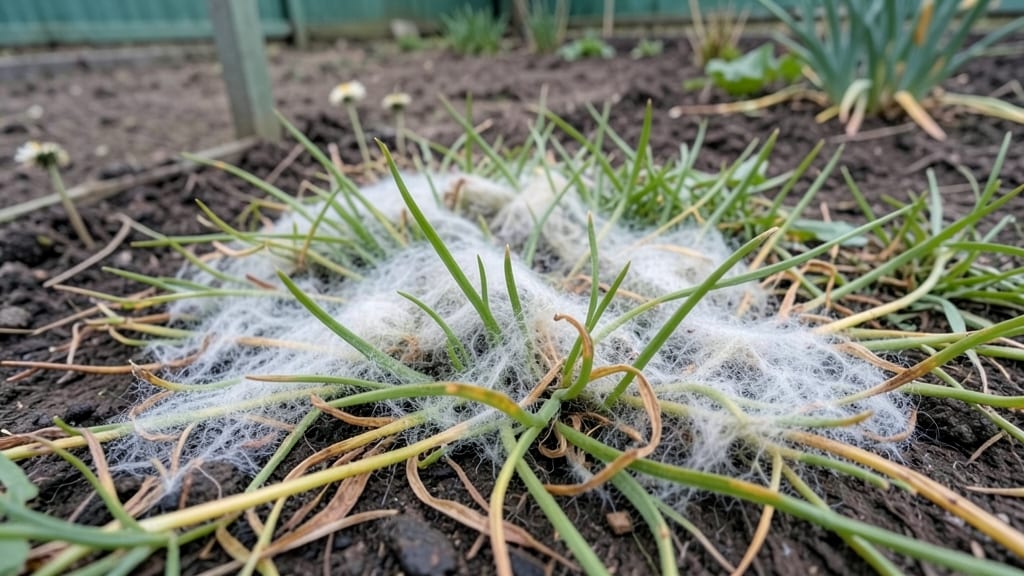
Overwatered grass fungus turns vibrant lawns into sad, spongy patches—fast. 🌱 I’ve seen it ruin otherwise healthy lawns in just a few weeks, but the good news? You can often reverse it with the right moves. The key is acting quickly before the fungus spreads deeper into the soil.
Most lawn fungus from overwatering starts with soggy spots that stay wet for days. You’ll notice circular patches where grass turns brown or gray, often with a musty smell.
The real damage happens when roots suffocate—watering too much or too often creates the perfect damp, dark environment for fungal spores to thrive. Cutting back on water is step one, but that alone won’t fix what’s already there.
For a quick turnaround, improve drainage first—core aerate if needed—and water deeply but less often. If the patches are severe, spot-treat with a fungicide for lawns (like mycorrhizal treatments or baking soda mixes) and rake out the worst-affected areas to let air circulate.
Within 2-3 weeks, you’ll see new growth pushing through if the roots are still alive.
Prevention is easier: water in the early morning, let grass dry between waterings, and mow high to shade the soil. Even a small change—like adjusting your sprinkler schedule—can stop fungus before it starts. Let’s get your lawn back to lush in no time.
Root Causes Of Fungal Growth
When your lawn starts showing signs of fungus due to overwatering, it’s rarely just one factor at play. Understanding the why behind the problem helps you address it effectively.
Below, we break down the key reasons why excess moisture creates the perfect breeding ground for lawn fungi—and how each one contributes to the issue.
💧 Overwatering Creates Stagnant Conditions
Fungi thrive in environments with high humidity and poor airflow. When you overwater grass, several things happen:
- Soil saturation: Excess water fills soil pores, displacing oxygen and creating anaerobic (oxygen-deprived) zones where fungi like Rhizoctonia or Fusarium flourish.
- Surface moisture: Water lingers on blades of grass, raising humidity levels above the 70-80% range that fungi prefer. Think of it like a damp sponge—ideal for spore germination.
- Slow drainage: Compacted or clay-heavy soils struggle to absorb excess water, leading to waterlogging. This traps moisture at the root zone, where fungi feed on decaying organic matter.
Pro Tip: 🌡️ Test your soil’s drainage by digging a 6-inch hole and filling it with water. If it drains in less than 2 hours, your lawn may be prone to stagnation. If it takes longer than 6 hours, drainage is likely the culprit.
🌱 Weakened Grass Defenses
Healthy grass naturally resists fungal invasion through cuticular wax layers and beneficial microbes in the rhizosphere. Overwatering weakens these defenses by:
- Diluting nutrients: Excess water leaches essential nutrients (like nitrogen and potassium) from the root zone, leaving grass nutrient-deficient and stressed.
- Encouraging thatch buildup: A thick thatch layer (dead grass and debris) traps moisture and blocks airflow, creating a fungal hotspot right at the soil surface.
- Disrupting microbial balance: Overwatering can wash away beneficial fungi and bacteria (like Trichoderma species) that outcompete pathogens.
Key Insight: 🔍 Fungal diseases often strike after heatwaves or drought stress followed by sudden heavy watering. This "stress + moisture" combo is a red flag for lawn owners.
🌡️ Temperature And Humidity Pairings
Fungi don’t just need water—they also rely on specific temperature and humidity windows to spread. Overwatering amplifies these risks by:
| Fungal Pathogen | Optimal Conditions | How Overwatering Helps |
|---|---|---|
| Dollar Spot (Clarireedia) | 65–85°F, high nighttime humidity | Excess water keeps dew on blades longer, extending the "window of infection." |
| Brown Patch (Rhizoctonia) | 75–90°F, soil temps >70°F | Waterlogged soil raises root-zone temps, speeding up fungal growth. |
| Snow Mold (Typhula) | 32–50°F, heavy thatch | Persistent moisture under snow or ice creates ideal conditions for overwintering spores. |
Watch For: 🌡️ If your lawn is dark green but spongy after watering, it’s a sign of Pythium blight—common in hot, humid climates where overwatering is frequent.
🌿 Poor Mowing And Maintenance Habits
Overwatering doesn’t work alone—it often teams up with bad lawn care practices to invite fungi. Common offenders include:
- Cutting grass too short: Short grass blades can’t photosynthesize efficiently, weakening the plant’s ability to fight off pathogens. Fungi then latch onto stressed roots.
- Leaving clippings unmowed: Thatch and clippings act as a fungal food source when trapped under excess moisture.
- Ignoring leaf litter: Fallen leaves or debris create microclimates where humidity spikes, even if the rest of the lawn is dry.
Rule of Thumb: ✂️ Never remove more than 1/3 of the grass blade in a single mowing. Overwatered grass is already stressed—shocking it further with aggressive cutting invites disease.
How to solve it
Overwatering creates the perfect breeding ground for fungus in your lawn, but the good news is that you can turn things around with targeted action. Below, we’ve mapped out the best fixes based on the root cause—whether it’s excess moisture, poor drainage, or a lack of airflow.
Follow these steps to restore your grass and keep fungus at bay for good.
🔥 1. Adjust Your Watering Schedule
If fungus is thriving because of overwatering, the first step is to dramatically reduce how often you water. Fungal spores love damp conditions, so let the top 2–3 inches of soil dry out between waterings. Here’s how:
- ⏰ Water deeply but infrequently: Water in the early morning (before 10 AM) for 1–1.5 inches per week, including rainfall. Use a rain gauge or tuna can to measure accurately.
- 💧 Avoid light, frequent watering: Skip daily sprinklers—this keeps grass soggy and encourages fungus. Instead, water less often but for longer durations to encourage deep root growth.
- 🌱 Check for runoff: If water pools on the surface after 30 minutes, your lawn has poor drainage (see next step). Adjust your sprinkler heads to avoid oversaturating low spots.
🍳 2. Improve Drainage for Good
If your lawn sits in water like a swamp after rain or irrigation, fungus will keep coming back. Fix drainage issues with these practical solutions:
- 🔪 Core aerate: Rent a core aerator (or hire a pro) to pull small plugs of soil from your lawn. This creates channels for water and air to penetrate, reducing compaction. Do this in early fall or spring.
- 🌡️ Rake and level low spots: Fill depressions with a mix of topsoil and sand (50/50 ratio) to improve water flow. Avoid mounding soil—keep it smooth.
- 💡 Install a French drain (for severe cases): If your yard has a chronic wet area, bury a perforated pipe surrounded by gravel to redirect water away from the lawn.
👨🍳 3. Treat Fungal Spots Directly
For existing fungus patches (like brown spot, dollar spot, or red thread), act fast with fungicides or natural remedies. Here’s what works:
| Problem | Solution | How to Apply |
|---|---|---|
| Small patches (<5 sq ft) | Baking soda spray | Mix 1 tbsp baking soda + 1 gallon water + a few drops of dish soap. Spray directly on affected areas in the morning. |
| Moderate spread (5–20 sq ft) | Hydrogen peroxide (3%) | Spray undiluted 3% hydrogen peroxide on the grass. Let it sit for 24 hours before watering again. |
| Large or persistent areas | Fungicide (e.g., copper-based or propiconazole) | Follow label instructions for application rates. Reapply every 2–4 weeks if fungus returns. |
Pro tip: 🎯 Test a small area first to ensure the treatment doesn’t discolor your grass.
🥘 4. Boost Grass Health to Outcompete Fungus
A strong lawn resists fungus naturally. Give your grass the upper hand with these care tweaks:
- ✂️ Mow high: Set your mower to 3–4 inches tall. Taller grass shades out fungus and develops deeper roots.
- 🌱 Fertilize smartly: Use a slow-release, nitrogen-rich fertilizer in early fall or spring. Avoid high-nitrogen fertilizers in summer—they promote lush growth that attracts fungus.
- 💪 Overseed thin areas: Fill bare spots with disease-resistant grass seed (like tall fescue or Kentucky bluegrass). Aim for 80–90% coverage to crowd out fungus.
⏰ 5. Prevent Future Outbreaks
Once your lawn recovers, keep fungus from staging a comeback with these long-term habits:
- 🌡️ Monitor soil moisture: Walk your lawn after rain or watering. If it stays soggy for more than 24 hours, adjust your watering.
- 🌬️ Improve airflow: Thin out dense grass with occasional mowing and aeration. Avoid heavy thatch buildup (keep it under ½ inch thick).
- 🍂 Clean up debris: Rake up fallen leaves, clippings, and thatch—these trap moisture and fuel fungus.
- ✨ Consider a rain sensor: Install one on your sprinkler system to shut off automatically during rain, preventing overwatering.
Remember: Fungus thrives on consistency. Stay vigilant with these fixes, and your lawn will bounce back stronger than ever!
Frequently asked questions
Why does my grass get fungus after just a little extra water?
Fungal spores are always present in soil, but they need consistent moisture to activate. Even small amounts of excess water raise humidity levels above 70%, creating the perfect environment for growth. Grass blades stay damp longer, and roots suffocate from poor airflow—both signals for fungus to thrive.
Can I fix fungus damage if the grass is already dead?
Unfortunately, dead grass won’t regrow, but you can still recover the lawn. Rake out the dead patches, reseed with disease-resistant grass seed, and improve drainage. Focus on preventing further spread—healthy surrounding grass will fill in over time.
How often should I water grass to prevent fungus?
Aim for 1-1.5 inches per week (including rain) with deep, infrequent watering. Water in the early morning so blades dry by evening. Avoid daily light watering—this keeps soil soggy and invites fungus. Use a rain gauge to track amounts accurately.
Will baking soda really kill lawn fungus?
Yes, but it’s most effective for small patches. Mix 1 tablespoon baking soda with 1 gallon water and a few drops of dish soap for better adhesion. Spray directly on affected areas in the morning. For larger areas, consider a copper-based fungicide for stronger results.
How do I know if my lawn has poor drainage?
Dig a 6-inch hole in your lawn and fill it with water. If it drains in less than 2 hours, drainage is good. If it takes longer than 6 hours, you likely have poor drainage. Look for puddles after rain or watering—these are clear signs of waterlogging.