
Lawn
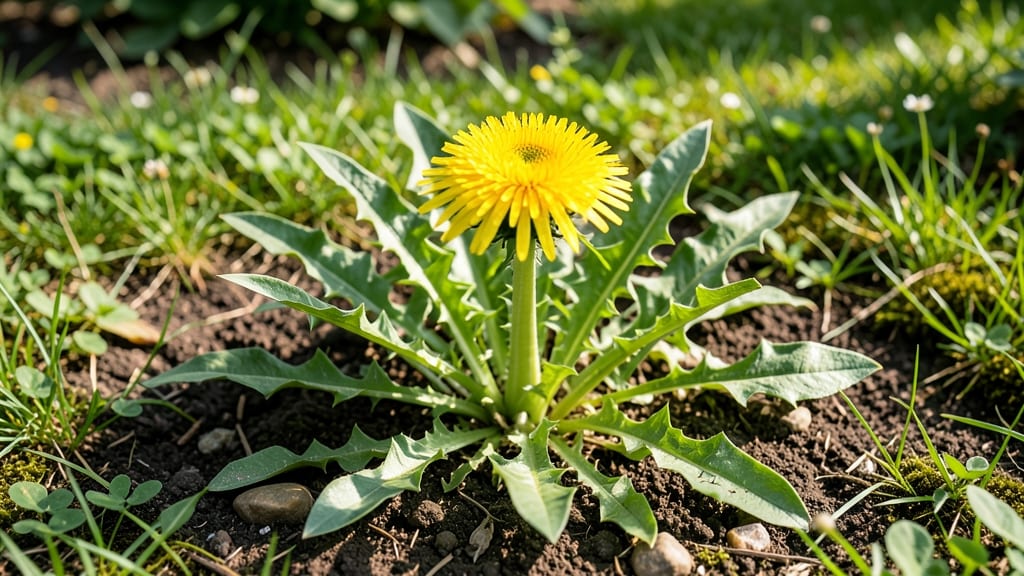
Those bright yellow-flowered weeds popping up in your lawn aren't just unsightly—they're a sign your grass needs attention. 🌱 I've spent years battling dandelions and clover, and I'm sharing the exact methods that finally gave me a cleaner lawn without harsh chemicals.
The key is timing, technique, and understanding what your grass really needs.
Most people pull weeds too late or use methods that damage their lawn. A quick pre-emergent treatment in early spring stops those yellow blooms before they even appear, while targeted spot treatments handle existing weeds without harming your grass.
It's not about eliminating all weeds—it's about creating balance so your lawn thrives naturally.
Within 24 hours of proper treatment, you'll see those stubborn weeds start to wilt. By the end of the week, your lawn will look noticeably healthier, with fewer gaps for weeds to take hold. The secret is consistency—just a few minutes of maintenance now saves hours of frustration later.
This works for any lawn type, from sunny backyards to shady patches. Whether you're dealing with dandelions, clover, or other yellow-flowered invaders, these organic and chemical-free methods will give you results you can see—and feel proud of.
Root Causes Of Lawn Invaders
That bright yellow bloom popping up in your lawn isn’t just an eyesore—it’s a sign your grass is sending out an SOS. Understanding why these weeds take over is the first step to reclaiming your yard.
Here’s a breakdown of the science behind their persistence, so you can tackle the problem at its source.
Weeds like yellow-flowered invaders thrive where grass struggles. Compacted, nutrient-poor, or overly acidic soil leaves gaps for seeds to sprout and roots to spread. Here’s why:
- Compacted Soil: Heavy foot traffic, machinery, or clay-heavy dirt crushes grass roots, reducing their ability to compete. Weeds, with their shallow but aggressive root systems, fill the void. Test your soil’s compaction by pressing a screwdriver into the ground—if it won’t go past 1 inch, aeration is needed.
- Low Nutrients: Grass needs nitrogen, phosphorus, and potassium to grow thick. When these are lacking, weeds like dandelions or chickweed (common yellow-flowered culprits) dominate because they’re hardier. A soil test reveals deficiencies—aim for levels of 100+ ppm nitrogen and balanced pH (6.0–7.0).
- Improper pH: Soil that’s too acidic (<6.0) or alkaline (>7.5) locks out essential nutrients. Weeds adapt easily, while grass wilts. Lime raises pH; sulfur lowers it. Adjust gradually to avoid shocking roots.
Extreme light conditions stress grass, creating opportunities for weeds to move in. The balance is delicate:
- Over-Sun Exposure: Thin grass in hot, dry areas (like southern lawns) can’t outcompete weeds. Yellow-flowered weeds like henbit or clover soak up sunlight, choking out turf. Solution: Choose heat-tolerant grass varieties (e.g., Bermuda or Zoysia) and water deeply 1–1.5 inches per week.
- Excessive Shade: Trees or buildings block light, weakening grass. Shade-loving weeds (e.g., creeping Charlie) thrive here. Test shade levels: If <70% of light is blocked, opt for shade-tolerant grasses like fine fescue or St. Augustine.
Watering habits directly impact weed growth. Too much or too little creates the perfect storm:
- Overwatering: Soggy soil drowns grass roots but feeds weeds. Yellow-flowered weeds like plantain love moisture. Fix it by watering early morning (6–10 AM) to reduce evaporation and fungal risks. Let soil dry between waterings—stick your finger in; if the top 1–2 inches are damp, wait.
- Underwatering: Stress from drought weakens grass, leaving gaps for weeds. Deep, infrequent watering (1–2 times/week) encourages deep roots, while light, frequent watering promotes shallow weed roots.
- Irregular Watering: Uneven moisture (e.g., sprinklers skipping spots) creates patchy lawns. Weeds exploit these dry pockets. Adjust sprinklers to overlap by 10–15% for full coverage.
Skipping basic lawn care is like rolling out the red carpet for weeds. Here’s how neglect invites them:
- No Mowing: Tall grass shades soil, cooling it and discouraging weed seeds from germinating. But if you never mow, grass weakens, and weeds take over. Mow regularly—keep grass at 2.5–4 inches (taller in summer to retain moisture).
- No Dethatching: A thick layer of dead grass (thatch) blocks water and nutrients. Weeds sprout through it easily. Dethatch if the layer exceeds ½ inch using a rake or dethatching machine.
- No Overseeding: Bare spots from disease, pets, or foot traffic become weed magnets. Overseed in early fall to fill gaps with grass, not weeds. Choose cool-season grasses for northern climates or warm-season for southern yards.
💡 Pro Tip: Weeds often appear in specific patterns. A ring of yellow blooms near a tree? Likely nutrient competition. Weeds in a straight line?
Check for soil compaction from foot traffic or mower wheels. Observing these clues helps you pinpoint the exact cause and treat it directly.
Quick Fixes for Unwanted Lawn Blooms
Yellow-flowered weeds like dandelions, clover, and chickweed don’t just ruin your lawn’s appearance—they steal nutrients and water from your grass. But don’t panic! With the right approach, you can reclaim your yard in 24 hours or less (or at least see dramatic progress).
Below, we’ve mapped out practical, step-by-step solutions based on the root cause of your weed problem, plus prevention tips to keep your lawn lush and green.
If your lawn is already dotted with yellow blooms, physical removal is the quickest way to eliminate them—especially for small patches.
🍳 Pull by Hand (Best for Dandelions & Clover)
- Timing is everything 🌞: Pull weeds early in the morning when the soil is moist (they’re easier to remove).
- Grab the whole root 👊: Use a weeding tool or your fingers to dig deep—leave even a tiny piece behind, and it’ll regrow.
- Dispose properly 🗑️: Don’t compost weeds with seeds (like dandelions)—bag them and toss them in the trash to prevent regrowth.
- Reseed immediately 🌱: Fill the hole with fresh grass seed and topsoil to prevent bare spots.
⏰ Weekly Maintenance Routine
- Check your lawn 2-3x a week for new sprouts.
- Focus on edges (sidewalks, driveways) where weeds love to take hold.
- Use a dandelion weeder (a long-handled tool) for stubborn roots without bending over.
If manual removal feels like a never-ending battle, selective herbicides can give you faster results—but choose wisely.
🎯 Spot-Treat with Selective Herbicides
- For broadleaf weeds (dandelions, clover, chickweed):
- Use a 2,4-D or triclopyr-based herbicide (like Ortho Weed B Gon or Scotts Turf Builder Weed Killer).
- Apply on a dry, wind-free day (early morning is best).
- Follow label instructions precisely—overapplying can harm your grass.
- For grassy weeds (like nutsedge):
- Use a grassy weed killer (e.g., Tenacity or Sedgehammer).
✨ Pre-Emergent Herbicides (Prevention Mode)
- Apply in early spring (before weeds sprout) to block seeds from germinating.
- Best for: Crabgrass, chickweed, and other annual weeds.
- Top picks: Preen Garden Weed Preventer or Scotts Halts Crabgrass & Grassy Weeds.
The best way to eliminate yellow-flowered weeds for good? Strengthen your grass so it outcompetes them.
🌱 Improve Soil Health
- Test your soil (use a DIY kit or send a sample to your local extension office).
- Add compost or organic matter to improve drainage and nutrient absorption.
- Aerate compacted soil (use a core aerator in fall) to help grass roots grow deeper.
💪 Mow High & Smart
- Set your mower to 3-4 inches—taller grass shades out weeds and develops deeper roots.
- Never cut more than 1/3 of the grass blade at once (this stresses the grass and invites weeds).
- Keep blades sharp—a dull mower tears grass, making it vulnerable to disease and weeds.
🌿 Fertilize Properly
- Use a slow-release, balanced fertilizer (like 16-4-8) in early fall (when grass recovers best).
- Avoid high-nitrogen, quick-release fertilizers—they encourage weak, shallow roots that weeds exploit.
- Overseed thin areas in late summer or fall with a weed-free grass mix (like Kentucky bluegrass or fine fescue).
- Water deeply but infrequently (1-1.5 inches per week) to stress weeds while keeping grass healthy.
- Fix bare spots ASAP—weeds move into thin or damaged grass quickly.
- Use mulch in garden beds to block weed seeds from germinating.
- Vinegar spray (for sidewalks/driveways) 🍶: - Mix 1 gallon vinegar + 1 oz dish soap in a spray bottle. - Spot-treat weeds (avoid grass—vinegar kills everything!).
- Encourage natural predators (like ladybugs) to eat weed seeds before they sprout.
- Don’t use salt or bleach—they kill grass too and leave toxic soil.
- Avoid pre-emergent in summer—it won’t stop weeds that are already growing.
- Don’t skip mowing—tall grass = weed paradise.
With these targeted fixes, you can see a noticeable difference in 24 hours (especially with manual removal and herbicides) and keep your lawn weed-free long-term with proper care. Which method will you try first? 🌿
Frequently asked questions
Why do yellow-flowered weeds appear in patches?
Yellow-flowered weeds often grow in patches because they exploit weak spots in your lawn. Compacted soil, poor drainage, or thin grass creates perfect conditions for weeds like dandelions or clover to take root. Check for areas where foot traffic or mowers have compressed the soil—these spots need aeration and overseeding to crowd out weeds.
Can I use vinegar to kill yellow-flowered weeds?
Yes, but only on non-lawn areas like driveways or sidewalks. Mix 1 gallon white vinegar + 1 oz dish soap and spray directly on the weeds. Avoid grass—vinegar kills everything it touches! For lawns, use selective herbicides or manual removal instead to protect your turf.
How soon will I see results after treating weeds?
With manual removal, you'll see immediate results as you pull weeds. For chemical treatments, yellow-flowered weeds like dandelions typically wilt within 24-48 hours and die in 1-2 weeks. Pre-emergent herbicides prevent new weeds from sprouting but won't affect existing ones.
Will fertilizing my lawn prevent yellow-flowered weeds?
Yes, but use the right type! A slow-release, balanced fertilizer (like 16-4-8) strengthens grass roots, making them competitive against weeds. Avoid high-nitrogen quick-release fertilizers—they encourage weak, shallow grass that weeds easily overtake. Apply in early fall for best results.
Are there any natural ways to prevent weeds long-term?
Maintain your lawn at 3-4 inches tall—taller grass shades out weed seeds. Aerate compacted soil annually, overseed bare spots in fall, and water deeply but infrequently (1-1.5 inches per week). Mulch garden beds and encourage natural predators like ladybugs to eat weed seeds before they sprout.