
Lawn
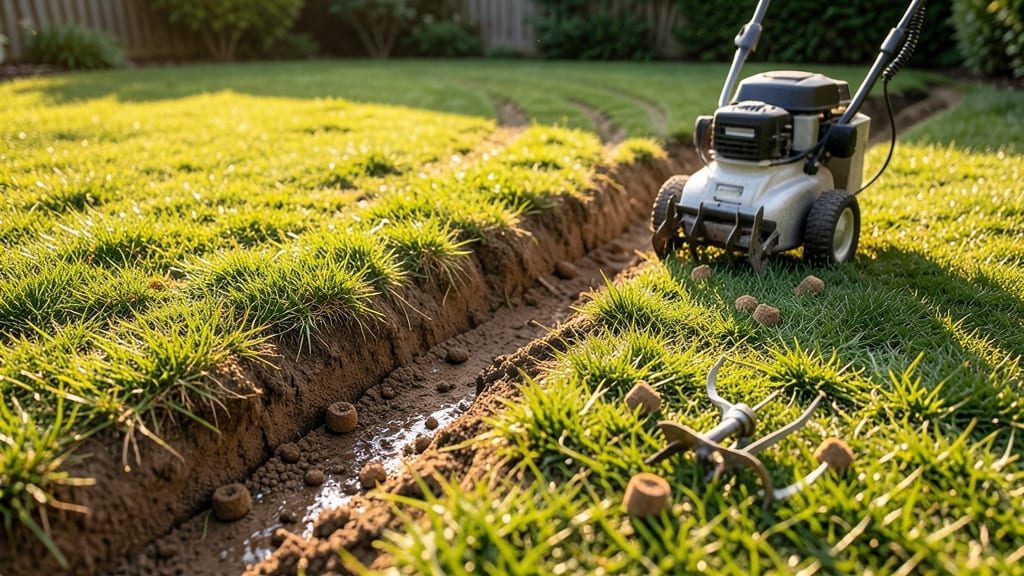
Tire ruts in your lawn can turn your green space into an unsightly mess. The good news? With the right approach, you can restore smooth, even grass—without replacing the entire yard. Discover seven proven methods to eliminate ruts permanently and keep your lawn looking pristine.
Topdressing with Compost and Sand
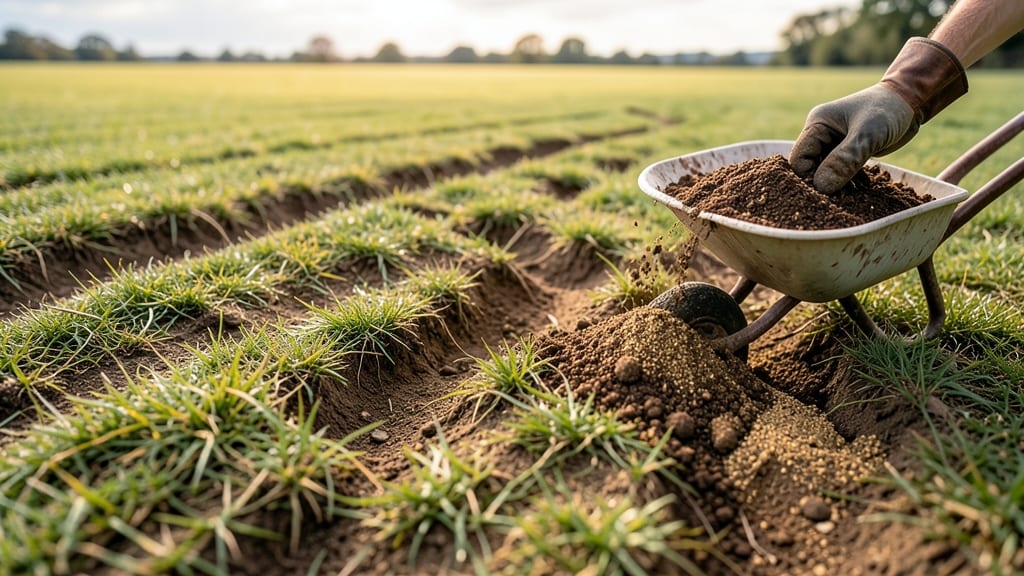
If your lawn’s tire ruts refuse to disappear despite your best efforts, topdressing with compost and sand is the slow-and-steady solution you’ve been missing. Unlike quick fixes, this method gently rebuilds soil structure while filling low spots—no heavy machinery required. It’s perfect for established lawns where ruts have become a stubborn eyesore.
Start by mixing equal parts compost and coarse sand (like builder’s sand) to create a loose, aerated blend. Spread a thin layer (about ¼ inch) over the rutted areas using a broadcast spreader, then lightly rake it into the grass. The compost adds organic matter to improve soil health, while the sand helps level minor depressions and prevents compaction. Repeat every 3–4 months for best results, especially after heavy rain or foot traffic.
This approach works best for homeowners who prefer low-maintenance, long-term fixes over instant solutions. Over time, the improved soil structure encourages deeper grass roots, making your lawn more resilient to future rutting. Plus, it’s a great way to recycle yard waste into a healthier lawn. 🌱
Overseeding with Dense Grass Varieties
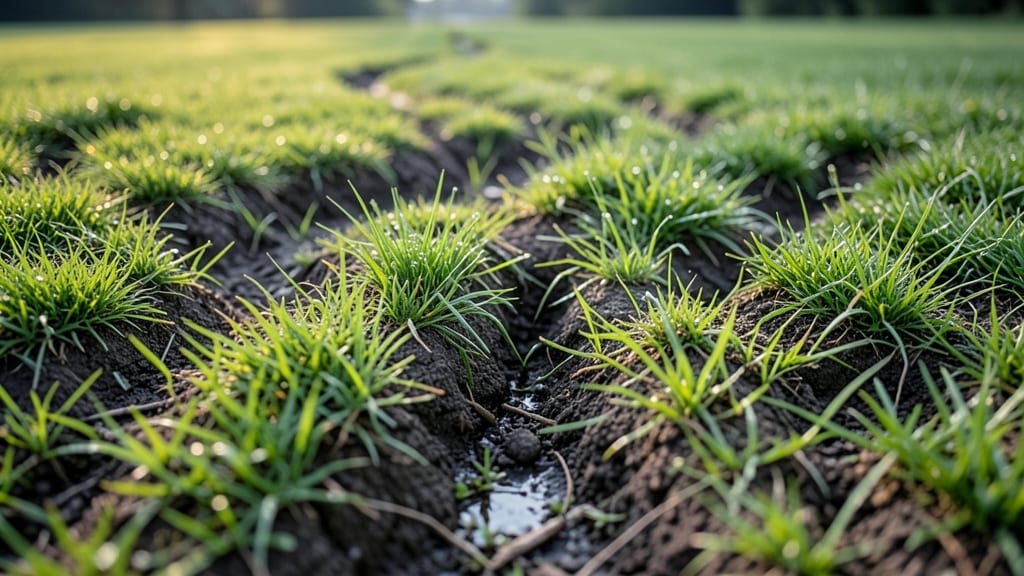
Tired of staring at those stubborn tire ruts that refuse to disappear? Overseeding with dense grass varieties like tall fescue or Kentucky bluegrass can transform those sunken spots into lush, even grass—without replacing the whole lawn.
These aggressive, fast-growing grasses spread quickly to fill gaps, especially when planted in spring or fall when soil temperatures and moisture levels are perfect for seed germination. Lightly rake the area first to expose bare soil, then sprinkle seeds evenly and cover with a thin layer of straw to protect them. Water gently but consistently for the first 4-6 weeks to encourage strong root establishment.
This method works best for lawns with moderate rut damage and is ideal for homeowners who want a natural, long-term solution without heavy machinery. 🌱
Aeration and Core Removal
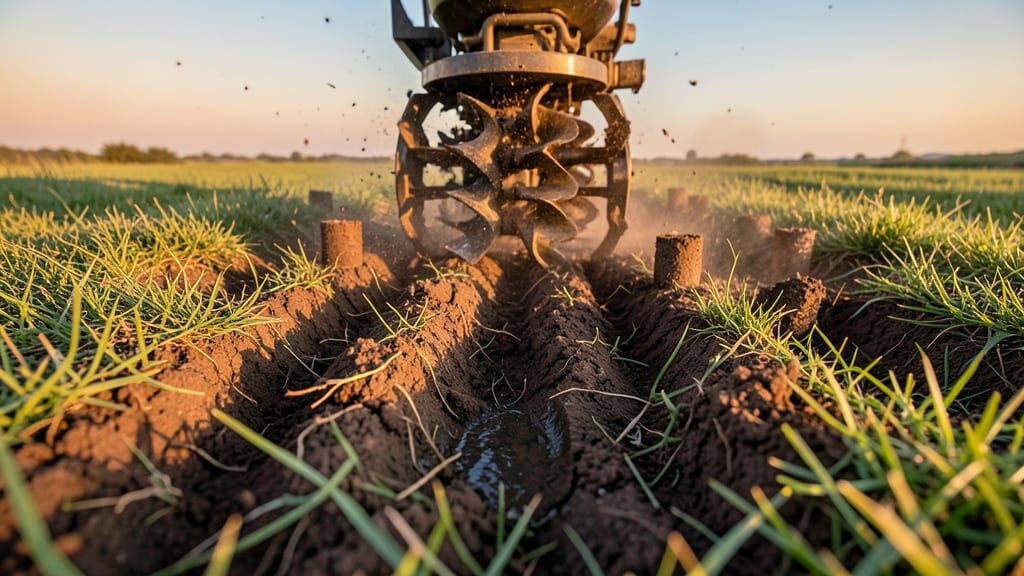
Tired of watching your lawn's tire ruts deepen every season? Aeration and core removal is the secret weapon for breaking up that stubborn compacted soil beneath the surface. Unlike surface-level fixes, this method tackles the root cause—literally—by creating channels for air, water, and roots to thrive again.
Use a core aerator (rent or buy) to pull out small soil plugs, then let them break down naturally. This works best in spring or fall when soil is moist but not soggy. For clay-heavy lawns, combine aeration with a sand-topsoil mix to improve drainage. The result? Grass roots grow deeper, water penetrates evenly, and those ruts start to disappear over time.
Perfect for high-traffic areas or lawns that feel like walking on concrete, aeration is the most sustainable long-term solution. Skip this step, and you'll keep fighting the same battle year after year. 💪
Filling Ruts with Topsoil and Leveling
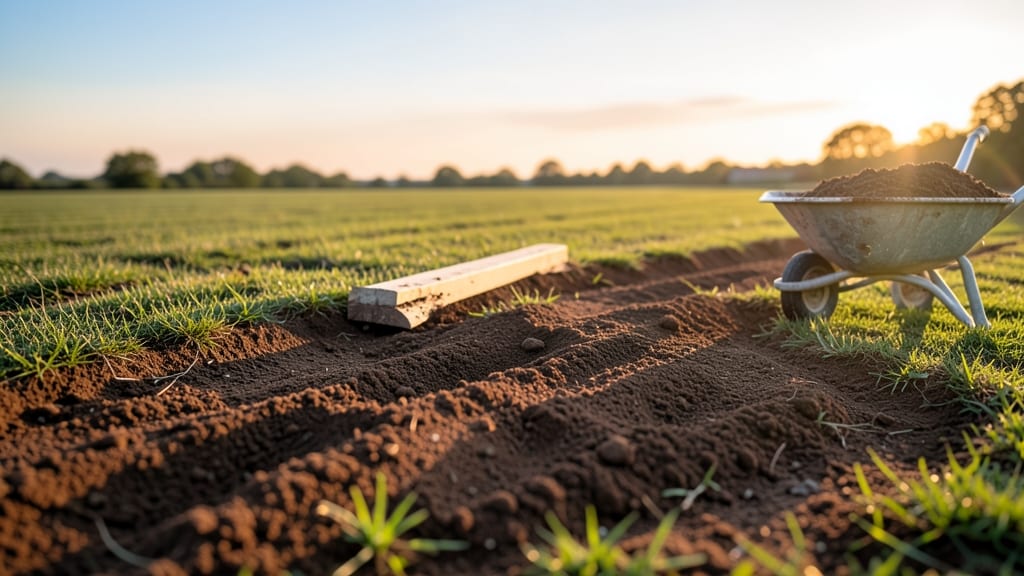
When your lawn has deep tire ruts that won’t disappear on their own, topsoil and leveling deliver a fast, dramatic transformation. This method is perfect for severe damage where you need visible results before reseeding or overseeding—ideal for homeowners preparing for a big event or spring makeover.
Start by removing any debris from the rut, then fill the low areas with 2-3 inches of topsoil, spreading it evenly with a shovel. Use a leveling rake to smooth the surface, working from one side to the other until the filled area blends seamlessly with the surrounding lawn. For best results, water lightly afterward to help the soil settle. This approach works best in dry conditions when the soil is firm but not muddy.
This quick fix is especially valuable for beginners or those with limited time, as it requires minimal tools and delivers instant gratification. Just remember to combine it with overseeding or aeration later for long-term strength. 🌟
Using a Lawn Roller for Compaction
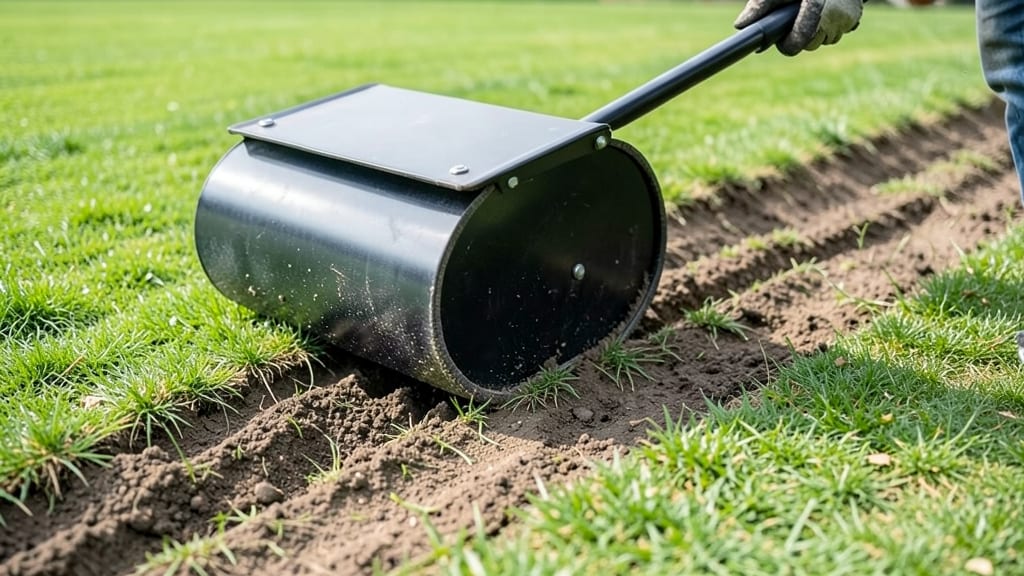
A lawn roller can be your secret weapon for flattening stubborn tire ruts—but only if you use it right. Unlike other methods, rolling provides instant visual improvement by compressing soil back into place, but it’s just the first step toward long-term repair.
For best results, roll your lawn on a dry, sunny day when the soil is firm but not muddy—this prevents creating new compaction issues. After rolling, immediately overseed the area with dense grass varieties like tall fescue or apply a thin layer of sand-topsoil mix to prevent ruts from reforming. Think of the roller as a temporary fix that buys you time for deeper repairs.
This method is perfect for quick fixes before parties or when you need to restore a lawn’s appearance fast. Just remember: rolling alone won’t solve the problem—pair it with soil amendments for lasting smoothness. 💪
Installing a Drainage System for Wet Areas
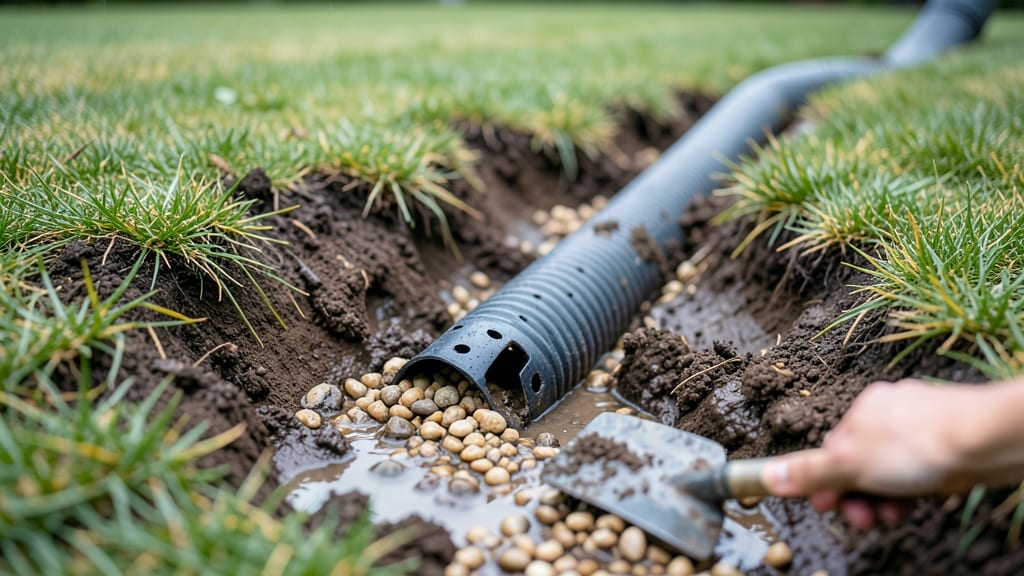
If your lawn has low-lying areas that stay soggy after rain, water pooling is the real culprit behind stubborn tire ruts. Without proper drainage, excess moisture weakens grass roots and creates the perfect conditions for rut formation to worsen over time.
Installing a French drain—a perforated pipe surrounded by gravel—redirects water away from problem spots before it pools. For severe cases, consider a swale system, which gently slopes to channel water naturally. Start by marking the lowest rut areas, then dig a trench (12-18 inches deep) along the slope, filling it with gravel before adding the pipe. This system works best in spring or fall when soil is workable but not saturated.
This solution is ideal for gardeners in rainy climates or those with clay-heavy soil that drains poorly. By addressing the root cause of rutting, you’ll save time and money on repeated repairs while keeping your lawn healthy and even. 💪
Switching to Alternative Ground Covers
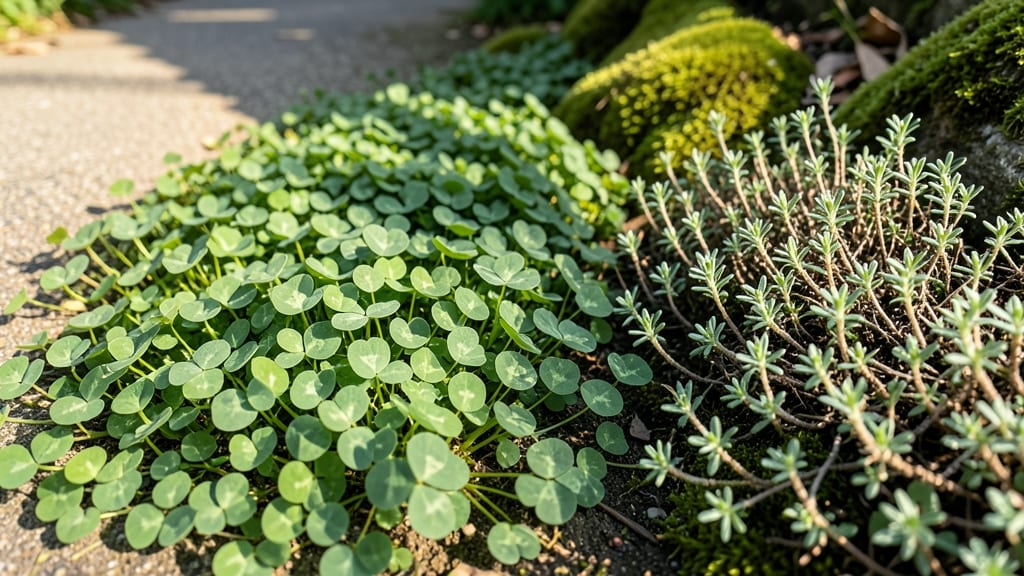
Tired of battling the same ruts in your driveway or pathways every season? Instead of fighting grass that just won’t recover, consider alternative ground covers like clover, creeping thyme, or moss—they thrive under foot traffic and actually improve with compaction.
These hardy options—such as white Dutch clover or sedum—require far less water and maintenance than grass while preventing rut formation. They also suppress weeds naturally and add texture to your landscape. For best results, remove existing grass first, then spread a thin layer of compost before planting your chosen ground cover in early spring or fall.
This solution is perfect for urban gardeners, busy homeowners, or anyone with high-traffic areas that refuse to stay smooth. Say goodbye to tire tracks for good! 🌿