
Plants
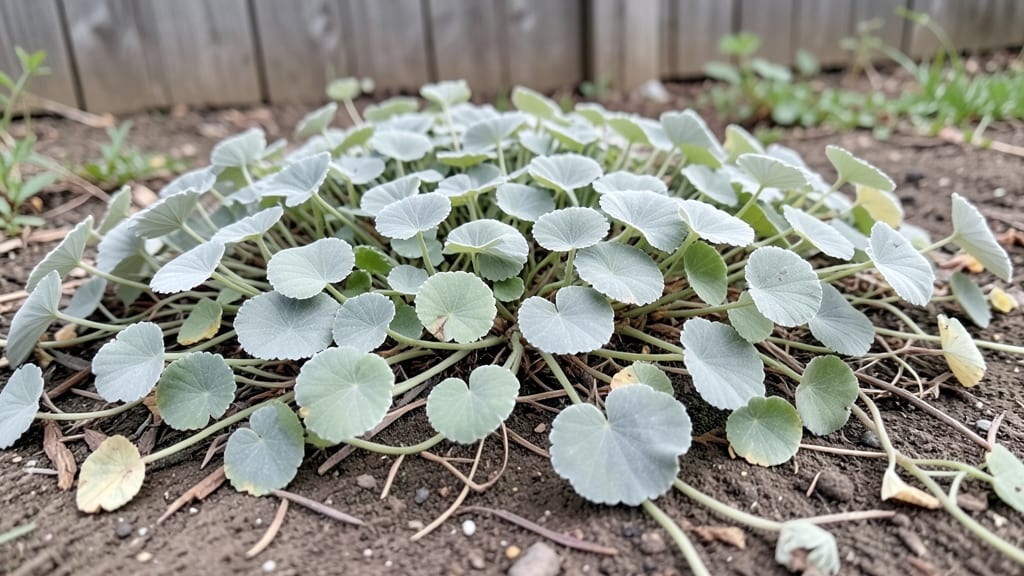
The secret to aztec grass care lies in almost no effort—just bright light, infrequent watering, and a hands-off approach. 🌱 I’ve had this grass for years, and it’s the only plant that looks better with neglect than with fussing.
The secret lies in mimicking its natural desert habitat, not coddling it like a fussy houseplant.
Start with well-draining soil and a sunny spot—six hours of direct light daily is non-negotiable. Water only when the top inch feels bone-dry, and let it go dormant in winter without panic.
Pruning? Just trim leggy stems back by a third in spring, and you’ll get bushier growth without overthinking it.
What you’ll end up with is a velvety-textured, drought-tolerant plant that stays green even in heatwaves. The foliage has that deep, jewel-toned look that makes it a standout in containers or borders. Best of all, it’s nearly pest-proof—no aphids, no mites, just quiet resilience.
Works just as well in pots as it does in the ground, making it perfect for patios, windowsills, or even office desks. Here’s how to keep it looking effortlessly lush all year—no green thumb required.
📚 In This Guide
- What you need
- Instructions
- Tips and common mistakes
- Wrapping up and next steps
What you need
- ● Soil: Well-draining potting mix (2-3 bags, 1-2 cubic feet each) – Look for a blend labeled for ornamental grasses or succulents
- ● Perlite or coarse sand (1 small bag) – For improving drainage
- ● Container or Garden Space: Pot (12-18 inches in diameter) – Ensure it has drainage holes
- ● OR Outdoor garden bed (6+ inches deep, partial shade to full sun)
- ● Fertilizer: Balanced, slow-release granular fertilizer (5-10-5 ratio, 1 lb bag) – Apply sparingly, 2-3 times per year
- ● Watering Supplies: Watering can with a narrow spout (1 gallon capacity) – For precision watering
- ● OR Hose with adjustable nozzle
- ● Pruning Tools: Sharp bypass pruners or garden shears – For trimming dead foliage
- ● Gloves (1 pair) – To protect your hands from sharp edges
- ● Mulch (2-3 bags, shredded bark or pine straw) – Retains moisture and suppresses weeds
- ● Plant food spray (liquid fertilizer) – For quick nutrient boosts during growing season
- ● Garden stakes or small flags – Marks your Aztec grass location for easy identification
- ● Soil pH test kit – Ensures optimal growing conditions (ideal pH: 6.0-7.0)
Step-by-step guide to cultivating Aztec grass for year-round beauty
Here's how I keep Aztec grass thriving with simple, effective techniques.
🌱 Step 1: Select the Perfect Planting Location
Choose a spot that gets 4-6 hours of sunlight daily—this grass tolerates partial shade but grows most vibrantly in filtered light. I always test the area first by placing a plant there for a week to see how it reacts. Avoid spots where water pools after rain, as Aztec grass hates soggy roots.
This grass spreads slowly but steadily, so give it 12-18 inches of space between plants if you're installing multiple. If you're using it as a ground cover, allow 2 feet of clearance from sidewalks or hardscapes to prevent root competition. The key is patience—it won't fill in quickly, but once established, it stays lush with minimal care.
💧 Step 2: Water Deeply but Infrequently
Water newly planted Aztec grass once a week for the first month, giving it 1 inch of water per week. You'll know it's enough when the top 2 inches of soil feel moist but not saturated. After that, cut back to every 10-14 days—this grass stores moisture well and thrives on neglect.
Here's the thing—I've learned the hard way that overwatering turns the leaves yellow and mushy. Stick your finger in the soil before watering. If it feels dry past 1 inch down, it's time to water. If it's still damp, wait another day. Once established, this grass handles drought like a champ.
☀️ Step 3: Fertilize Lightly in Early Spring
In early spring, when you see new growth emerging, sprinkle a balanced, slow-release fertilizer (10-10-10 ratio) around the base. Use about ½ teaspoon per square foot—this grass doesn't need much to stay green. Water it in immediately to help the granules dissolve evenly.
I skip fertilizing in summer unless the grass looks pale or leggy. Aztec grass grows slowly, so it doesn't demand frequent feeding. The goal is to encourage steady growth, not rapid expansion. If you notice yellowing leaves, it's usually a sign of over-fertilizing rather than a nutrient deficiency.
✂️ Step 4: Prune Only When Necessary
This grass rarely needs trimming, but if it gets too long or looks ragged, snip it back in early spring. Cut about one-third of the height to encourage bushier growth. I use clean, sharp shears to avoid tearing the leaves, which can invite disease.
Deadheading spent flowers in late summer keeps the plant looking tidy, but it's not required. The real trick is removing any brown or damaged foliage immediately—it prevents the plant from putting energy into repairing dead tissue. A quick once-over with shears every few months keeps it looking fresh without much effort.
🪴 Step 5: Protect in Harsh Winters (If Needed)
In colder climates, mulch the base with 2-3 inches of shredded bark or leaves once temperatures drop below 25°F. This insulates the roots and prevents heaving during freeze-thaw cycles. I always remove the mulch in early spring before new growth appears.
If you're in a mild-winter zone, no extra protection is needed. Aztec grass handles frost surprisingly well, often bouncing back with minimal damage. The key is to avoid heavy snow accumulation—shake it off gently if it builds up, or the weight can flatten the plant.
Tips & tricks for perfect Aztec grass cultivation
A few simple tricks that'll help you avoid common pitfalls and keep your Aztec grass thriving for years.
The Sunlight Secret: If you notice your Aztec grass growing slowly or looking pale, it might not be getting enough light. While it tolerates partial shade, the 4-6 hours of sunlight mentioned in Step 1 is crucial for vibrant growth. I've found that morning sun works best—it gives the plant energy without the harshness of afternoon heat. If your yard has limited sunlight, consider a spot near a south-facing window for container plants.
Watering Wisdom: The key to successful watering is consistency. After the initial once-a-week schedule for the first month, stick to every 10-14 days—don't let the soil dry out completely between waterings, but don't keep it soggy either. I've learned the hard way that overwatering leads to yellow, mushy leaves. A simple finger test (checking moisture 1 inch down) saves so much trouble!
Fertilizer Timing: When you see that first flush of new growth in early spring, that's your cue to fertilize. The ½ teaspoon per square foot of 10-10-10 fertilizer is perfect—this grass doesn't need much to thrive. I always water it in immediately to help distribute those nutrients evenly. Pro tip: If you notice yellowing leaves after fertilizing, you've likely overdone it. Aztec grass prefers to be underfed rather than overfed.
Winter Protection: In colder climates, don't wait until temperatures drop below 25°F to mulch—get it done before the first hard frost. I've seen plants survive winters without mulch, but the roots appreciate that extra insulation. Use 2-3 inches of shredded bark or leaves, and remember to remove it in early spring before new growth appears. This prevents the mulch from smothering the emerging shoots.
Pro Tips for Aztec Grass Care
- A few simple tricks that'll help you avoid common pitfalls and keep your Aztec grass thriving for years.
- The Sunlight Secret: If you notice your Aztec grass growing slowly or looking pale, it might not be getting enough light.
- Watering Wisdom: The key to successful watering is consistency.
Frequently asked questions
How often should I water Aztec grass?
Aztec grass is drought-tolerant once established, but young plants need consistent moisture. Water 1–2 times per week (about 1 inch total) during the first year, then taper to every 2–3 weeks in dry spells. Overwatering is the real enemy—it causes root rot! Let the soil dry out between waterings for best results.
Does Aztec grass survive winter?
Yes! This hardy grass thrives in USDA Zones 5–10 and handles light frosts. In colder climates (Zone 5–6), mulch with 2–3 inches of straw or leaves after the first frost to protect roots. Avoid heavy snow buildup, which can smother the grass. Spring regrowth is usually vigorous after winter.
What’s the best alternative if Aztec grass doesn’t grow in my area?
If your climate is too hot (Zone 11+) or cold (Zone 4 or below), try these low-maintenance lookalikes:
- Buffalo grass (Zone 4–9): Drought-proof and soft underfoot.
- Fescue grass (Zone 3–10): Shade-tolerant and cool-season friendly.
- Zoysia grass (Zone 5–10): Heat-resistant with a dense spread.
Why is my Aztec grass turning brown or patchy?
Brown patches usually signal overwatering, pests, or fungal issues. First, check the soil—if it’s soggy, reduce watering. For pests (like chinch bugs), spray with neem oil or introduce beneficial nematodes. Fungal diseases? Improve airflow by thinning dense areas and avoid evening watering. Most issues clear up with proper drainage and spacing!
Do I need to mow Aztec grass?
Not necessarily! Aztec grass grows in clumps and doesn’t form a tight turf like Kentucky bluegrass, so it doesn’t require frequent mowing. If you prefer a neater look, trim once or twice a year to control height (keep blades at 3–6 inches). For a wild, natural vibe, skip mowing entirely—it’s self-sustaining!
Wrapping up and next steps
Caring for Aztec grass is simpler than you think—just a little water, sunlight, and occasional trimming keep it thriving all year! With its drought-resistant nature and striking blue-green hue, this grass adds effortless beauty to any space. You’ve got this! 🌿✨
Ready to take the next step? Grab your shears, watering can, and a sunny spot in your yard or garden—your perfect Aztec grass oasis awaits!