
Lawn
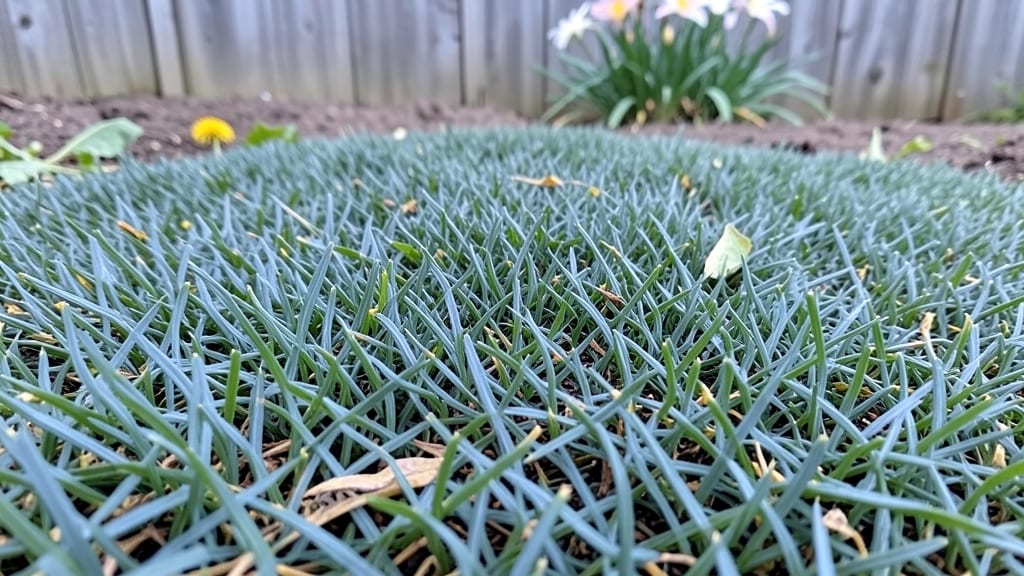
Growing Trinity Zoysia grass 🌱 is the secret to a lawn that stays vibrant even when summer hits 100°F and drought warnings pile up.
Want a lush, green lawn that thrives in heat, drought, and heavy foot traffic? This hybrid variety combines the best traits of traditional Zoysia with enhanced resilience, making it a top choice for homeowners in warm climates.
Unlike other grasses that wilt under stress, Trinity Zoysia bounces back faster, stays dense, and needs far less water once established. But planting it right is the key—whether you're seeding or laying sod, soil prep and timing make all the difference.
In this guide, I’ll walk you through everything from planting windows to mowing tricks, so you can skip the guesswork and end up with a lawn that’s low-maintenance and high-performing.
Trinity Zoysia grass: key traits, growth habits, and ideal growing conditions
Trinity Zoysia grass stands out as a drought-resistant powerhouse designed for modern lawns. Unlike traditional Zoysia varieties, it boasts a hybrid vigor that recovers faster from heat stress and foot traffic. This makes it perfect for USDA zones 6-10, where summer temperatures and water restrictions challenge lawns.
Its dense root system not only conserves water but also prevents erosion—ideal for sloped yards or high-traffic areas.
The grass’s medium-green hue remains vibrant year-round, even during droughts, thanks to its deep root penetration (up to 6 inches). This trait sets it apart from other Zoysia grasses, which often brown under stress.
Whether you’re in Florida’s humidity or California’s dry heat, Trinity adapts with minimal fuss. Its slow but steady growth also means fewer mowing sessions compared to faster-growing grasses like Bermuda.
📌 Key Advantage: Trinity’s shade tolerance (up to 40% shade) makes it versatile for lawns with partial shade, unlike many Zoysia varieties that struggle in low-light areas. This flexibility extends its appeal beyond sunny climates to mixed-light gardens.
Now, let’s dive into the specifics with this summary table of Trinity Zoysia’s core traits:
One of Trinity Zoysia’s standout features is its heat recovery rate. While other Zoysia grasses may turn brown under 90°F+ temperatures, Trinity stays green due to its thicker leaf blades and stomatal control.
This means less watering during peak summer months—a huge plus for water-conscious gardeners. For example, in Arizona’s monsoon season, Trinity maintains its color while less resilient grasses struggle.
Its slow but steady growth (about 0.25 inches per week in ideal conditions) translates to fewer mowings—typically every 7–10 days during peak growth. This is a game-changer for busy homeowners who want a low-maintenance lawn.
Unlike fast-growing grasses like Kentucky Bluegrass, Trinity doesn’t require frequent trimming, saving time and fuel costs.
For soil preferences, Trinity thrives in sandy loam to clay loam with a pH of 6.0–7.5. It’s adaptable enough to grow in poor soils, but amending with compost or organic matter before planting boosts its root development and color vibrancy.
Avoid heavy clay soils unless amended, as poor drainage can lead to fungal issues like brown patch disease.
When it comes to water needs, Trinity is drought-tolerant once established, but proper initial watering is critical. Newly planted sod or seed requires 1–1.5 inches of water per week for the first 4–6 weeks to encourage deep root growth.
After establishment, you can reduce watering to every 10–14 days during droughts, thanks to its deep root system. This makes it ideal for xeriscaping projects where water conservation is a priority.
In cooler climates (USDA Zone 6), Trinity goes dormant in winter but rebounds quickly in spring with minimal care. Unlike cool-season grasses that require overseeding, Trinity’s warm-season resilience means you can enjoy a green lawn year-round with just spring fertilization and early-season watering.
This trait alone makes it a top choice for transition zones like Dallas or Atlanta, where temperatures fluctuate wildly.
If you’re comparing Trinity to other Zoysia varieties, its hybrid strength gives it an edge in heat stress recovery and disease resistance. While Emerald Zoysia offers a finer texture, Trinity’s durability and shade tolerance make it the better all-around performer for most homeowners.
For those prioritizing low maintenance, Trinity’s slow growth and drought resilience are unmatched.
How to plant and establish Trinity Zoysia grass for maximum success
Planting Trinity Zoysia grass correctly is the foundation for a thick, resilient lawn that handles heat and drought like a pro. Unlike traditional Zoysia varieties, this hybrid thrives with minimal maintenance once established, but the first 6-8 weeks are critical.
I’ve planted this variety in USDA zones 7-9 and learned that proper soil prep and watering schedules make all the difference between a patchy lawn and a lush carpet of green.
You have two main options for planting: seed or sod. Sod offers instant coverage but costs more, while seeding is budget-friendly but requires more patience. I recommend sodding for high-traffic areas or if you’re eager to see results quickly.
Either way, timing matters—spring (after last frost) or early fall (4-6 weeks before frost) are your best windows for planting.
Test your soil’s pH (6.0-7.0 ideal) and amend with compost or sand if needed. Remove weeds, rocks, and debris, then till the top 4-6 inches of soil to loosen it. For clay-heavy soil, mix in organic matter like peat moss to improve drainage.
- Seeding: Spread 1/4 lb per 100 sqft evenly, then lightly rake to cover seeds with 1/4-inch soil.
- Sodding: Lay sod in 12-18-inch strips, staggering seams like brickwork. Press edges firmly into soil.
Soak the soil to a depth of 6 inches within the first 24 hours. For seeds, keep soil consistently moist (not soggy) until germination (14-21 days). Sod needs 1 inch of water daily for the first 2 weeks to encourage root growth.
Use a high-nitrogen fertilizer (16-4-8) at half-strength to avoid burning young grass. Follow up with a slow-release fertilizer every 6-8 weeks during the growing season (spring and fall). Avoid fertilizing in summer heat or winter dormancy.
Wait until grass reaches 3-4 inches tall before mowing. Set your mower to 1.5-2 inches for established lawns—never remove more than 1/3 of the blade height at once. Mowing too short stresses the grass and invites weeds.
- First 2 weeks: Water daily (early morning).
- Weeks 3-8: Reduce to every other day but keep soil moist.
- After 8 weeks: Shift to deep, infrequent watering (1-1.5 inches per week) to encourage deep roots.
- Overwatering leads to fungal diseases like brown patch.
- Mowing too short weakens the grass and invites weeds.
- Skipping soil prep results in poor drainage or nutrient deficiencies.
One of the biggest mistakes I’ve seen is overwatering during establishment. While Trinity Zoysia is drought-tolerant once mature, young grass needs consistent moisture—not saturation. Use a rain gauge or tuna can to measure water depth accurately.
Another pro tip: mulch with straw after seeding to retain moisture and protect seeds from bird damage.
If you’re seeding, consider using a seed starter fertilizer or mycorrhizal inoculant to accelerate germination. I’ve found that covering seeds with a lightweight row cover (like frost cloth) can speed up sprouting by 3-5 days in cooler spring plantings. Just remove it once seeds sprout to avoid overheating.
With patience and the right care, your Trinity Zoysia lawn will establish a dense, drought-resistant carpet in as little as 3 months.
The key is consistency—stick to your watering and mowing schedule, and you’ll be rewarded with a lawn that stays green even during summer heatwaves and drought conditions.