
Plants
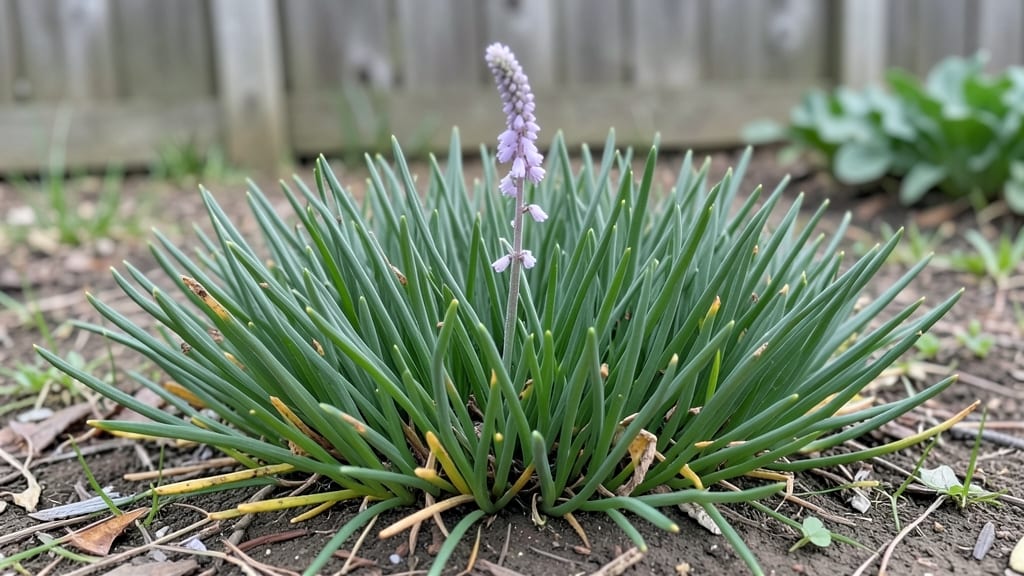
Growing a bead grass bush 🌿 transforms your garden into a textured, low-fuss masterpiece—its silvery-blue plumes add movement and structure year-round, even when other plants fade.
If you’re tired of fussing over thirsty annuals that wilt by summer, this drought-resistant grass is the answer. It thrives on neglect, handles poor soil like a champ, and still looks stunning in borders or containers—no green thumb required.
Here’s how to plant it for maximum impact: when to start in Zone 6a, the spring window that works best, and the simple care routine that keeps it lush without the effort.
By the end, you’ll know exactly where to place yours for year-round texture, how often to water (hint: not much), and why gardeners swear by it for both beauty and brains.
Why bead grass bush stands out for drought-tolerant landscaping
The bead grass bush (Sporobolus heterolepis) isn’t just another ornamental grass—it’s a drought warrior that thrives where others falter. With its silvery-blue seed heads and compact, mounding habit, it delivers year-round visual interest while demanding minimal care.
This makes it perfect for water-wise gardens and low-maintenance landscapes alike.
What truly sets this plant apart is its exceptional resilience. Unlike thirsty annuals or high-maintenance perennials, the bead grass bush survives on rain alone once established, making it ideal for xeric gardens or arid climates.
Its ability to thrive in poor soil and withstand heatwaves means you can plant it almost anywhere—even in rocky or sandy soils where other plants struggle.
Beyond its water-saving superpowers, this grass offers ecological benefits too. Its fine, airy foliage provides habitat for beneficial insects, while its seed heads feed birds in winter. Plus, its soft, textured plumes add movement and contrast to gardens, softening hardscapes and filling gaps between bolder plants.
Here’s why gardeners—from beginners to pros—are falling for this plant:
| Feature | Details |
|---|---|
| Drought Tolerance | Thrives with minimal water once established; survives on rainfall alone. |
| Soil Adaptability | Grows in poor, rocky, or sandy soils; tolerates clay and alkaline conditions. |
| Sunlight Needs | Full sun to partial shade; 6+ hours of sun for best plume development. |
| Mature Size | 2-3 feet tall and 2-3 feet wide; compact and non-invasive. |
| Seasonal Interest | Year-round texture; silvery-blue plumes in summer, tan seed heads in winter. |
| Maintenance Level | Low-maintenance; no pruning needed unless leggy; disease-resistant. |
| Ecological Value | Supports pollinators and birds; native-friendly in many regions. |
One of my favorite aspects of the bead grass bush is how versatile it is. You can use it as a solitary specimen to anchor a border, plant it in masses for a soft, flowing effect, or even tuck it into containers for patios and balconies.
Its delicate, bead-like seed heads sway gently in the breeze, creating a soothing, natural movement that calms any space.
For gardeners in USDA Zones 5-9, this plant is a no-fail choice. It handles hot summers and cold winters with ease, making it one of the most reliable ornamental grasses for xeriscaping.
Unlike some drought-tolerant plants that look brown and crispy in dry spells, the bead grass bush stays lush and green, proving that beauty and resilience go hand in hand.
If you’re tired of plants that demand constant watering or struggle in tough conditions, the bead grass bush is your new best friend. It’s the perfect solution for modern, sustainable gardens where style meets survival.
Plus, its affordable price tag and easy availability make it a smart investment for any outdoor space.
Whether you’re designing a full-scale drought-resistant garden or just looking to add a touch of elegance to a small corner, this grass delivers big impact with minimal effort. Try it in your next project—you’ll wonder how you ever lived without it!
Planting and care guide: how to grow a thriving bead grass bush
Growing a bead grass bush (Sporobolus heterolepis) is one of the easiest ways to add drought-resistant texture to your garden. This ornamental grass thrives with minimal care, making it perfect for beginners and low-maintenance landscapes.
Its silvery-blue plumes and compact form (reaching 2-3 feet tall) create stunning visual interest year-round, even in harsh climates.
The key to a healthy bead grass bush lies in proper planting, well-draining soil, and strategic sunlight exposure. Unlike high-maintenance plants, this native perennial tolerates poor soil, drought conditions, and hot summers—once established.
Below, I’ll walk you through step-by-step care to ensure your plant grows lush and vibrant for years.
One of the biggest mistakes gardeners make is overwatering or planting in shaded spots. Bead grass hates soggy soil and struggles without sunlight, so location and drainage are critical.
For container growers, ensure pots have drainage holes and use a fast-draining mix to mimic its natural habitat in prairie ecosystems.
With these simple care steps, your bead grass bush will reward you with vibrant plumes and year-round structure—perfect for rock gardens, border plantings, or modern landscapes. Its low-maintenance nature makes it a top pick for water-wise gardening and pollinator-friendly designs.
🌱