
Lawn
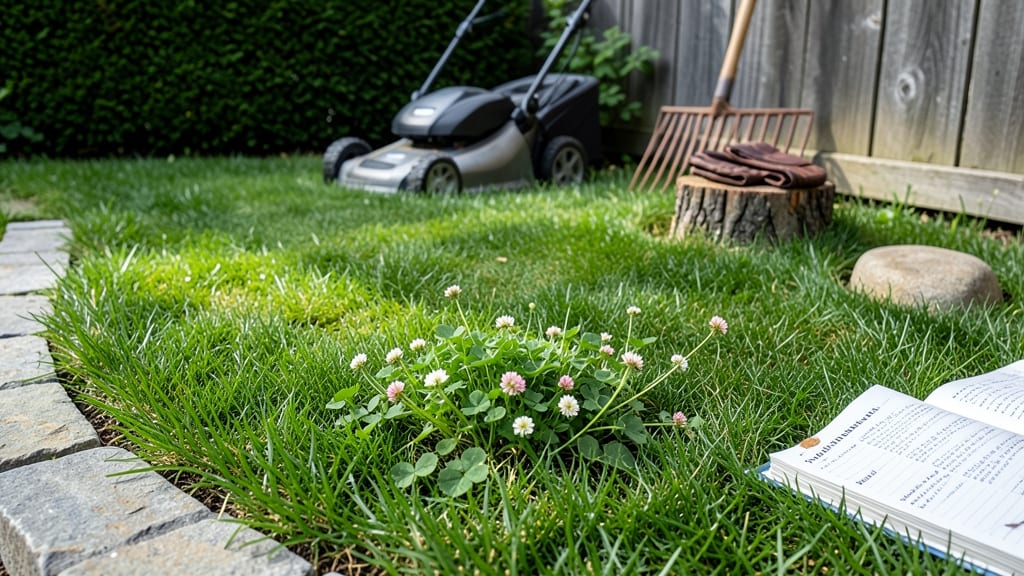
Lawn care absolutely qualifies as a hobby when you approach it with creativity and dedication, transforming routine maintenance into an artistic or competitive pursuit. From designing pollinator-friendly landscapes to perfecting organic lawn care techniques, it combines hands-on work with personal expression and skill-building.
What sets lawn care apart as a hobby is the same thing that makes any hobby rewarding: the opportunity to develop expertise and express yourself. 🌱 Unlike basic yard work, which many see as a chore, passionate lawn enthusiasts treat their outdoor spaces like living canvases, experimenting with native grasses, drought-resistant designs, or even entering local lawn competitions.
The emotional payoff comes from seeing your hard work bloom—literally—and connecting with others who share your enthusiasm.
This hobby also offers tangible benefits beyond aesthetics. Learning about soil science, pest management, or sustainable landscaping turns your yard into a classroom. Many hobbyists even monetize their skills by offering consulting or selling homegrown turfgrass plugs.
The key difference? Hobbyists invest time and creativity, while others treat lawn care as mere maintenance.
💡 In This Article
- What Defines Lawn Care as a Hobby vs. Chore
- How to Turn Lawn Maintenance Into a Fulfilling Hobby
What defines lawn care as a hobby vs. chore
The core difference lies in your mindset and the level of engagement. A chore-focused approach treats lawn care as a weekly maintenance task—mowing, watering, and weeding just to keep things functional.
But when you shift to a hobby mindset, you start seeing your lawn as a living ecosystem to nurture, with goals beyond basic upkeep. 🌱 For example, a hobbyist might spend hours researching the best cool-season grasses for their climate (like Kentucky bluegrass for northern regions) or experimenting with no-mow lawn alternatives like clover mixes that require less maintenance.
Skill development is another key factor. Hobbyists often dive deep into turfgrass science, learning about soil pH (ideal range: 6.0-7.0), proper mowing heights (typically 2-3 inches for most grasses), and organic pest control methods. This knowledge transforms routine tasks into opportunities for mastery.
Consider competitive lawn enthusiasts who study lawn grading systems (like those used in the National Lawn & Garden Show) where perfect manicured lawns earn top scores based on precision, uniformity, and health. The time investment becomes a source of pride rather than drudgery.
Community engagement elevates lawn care from chore to hobby. Many hobbyists join local lawn care clubs or online forums to share techniques, troubleshoot problems, and even compete in regional shows.
These events often feature categories like "Best Pollinator Garden" or "Most Creative Use of Native Plants," rewarding creativity beyond basic yard maintenance. The social aspect creates accountability and excitement—imagine the thrill of winning "Best Lawn" at your neighborhood contest after months of experimentation with drought-resistant buffalo grass varieties.
Sensory rewards also play a role. Hobbyists notice the fresh-cut grass aroma after mowing, the velvety texture of properly maintained turf underfoot, or the vibrant colors of blooming ground covers. They might even host outdoor gatherings in their meticulously cared-for spaces, turning their yard into a social hub.
This emotional connection to the space is what truly distinguishes a hobby from a chore—when your lawn becomes a source of joy rather than just a functional area.
Budget considerations reveal another dimension. While basic lawn care might involve minimal $50-$100/year investments in tools and supplies, hobbyists often allocate $200-$500+ annually for specialized equipment, premium soil amendments, or rare plant varieties. The financial commitment signals a deeper personal investment.
For instance, a hobbyist might spend $150 on a soil test kit to perfect their lawn's nutrient balance, whereas someone treating it as a chore would likely just use basic fertilizer.
Consider the psychological shift: chores are about survival (keeping the yard functional), while hobbies are about self-expression and growth. A hobbyist's lawn might feature custom pathways, artistic mulch patterns, or themed sections (like a vegetable garden integrated with ornamental grasses).
The creative process becomes as rewarding as the final result. 💫 This transformation happens when you start seeing your lawn as a reflection of your personality rather than just another part of your property to maintain.