
Lawn
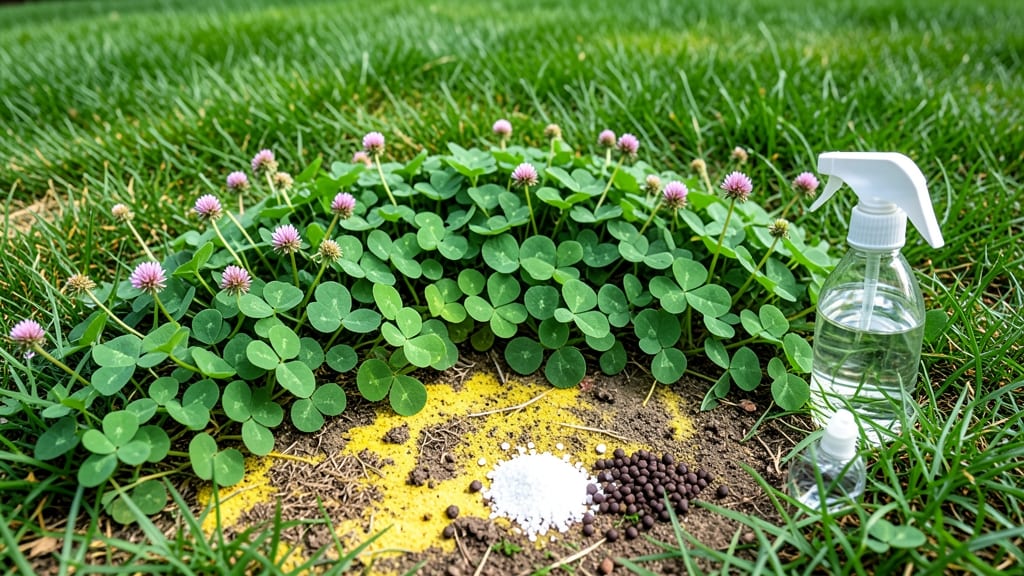
Dog urine turns your lawn into a patchwork of dead grass—unless you act fast with the right lawn care for dog urine. ✨ The yellow spots aren’t just unsightly; they’re a sign your grass is struggling to recover, and the longer you wait, the harder it gets to fix.
I’ve tested everything from vinegar sprays to reseeding techniques, and the right approach depends on how quickly you catch the damage.
The problem starts with the high nitrogen content in dog urine, which burns grass roots on contact. After my first golden retriever, I learned the hard way that diluting urine with water and training dogs to pee in one spot can save your lawn from repeated damage.
But even with prevention, accidents happen—and that’s where fast action makes all the difference.
You’ll be able to restore those yellow patches in just a few hours with the right method: flush the area with water, apply a dog urine-neutralizing spray, and overseed bare spots.
The key is acting within 24 hours to give your grass a fighting chance. For stubborn patches, a mix of compost and grass seed works like a charm.
This works for any lawn type—whether you’ve got cool-season grass like fescue or warm-season like Bermuda. The goal is to keep your yard lush and your dog’s favorite spots from becoming permanent eyesores. Let’s get your lawn back to its best in no time.
The Science Behind Yellow Spots
Dog urine isn’t just a nuisance—it’s a chemical cocktail that turns your lush green lawn into patchy, yellowed patches. Understanding why this happens is the first step to fixing it. Here’s a breakdown of the key culprits and the science behind them.
When dogs urinate, their waste contains high levels of ammonia (NH₃) and nitrogen (N), both of which are toxic to grass in concentrated doses. Here’s how it works:
- Ammonia Burn: Fresh dog urine has a pH of 6.5–7.5 (slightly acidic), but as it breaks down, ammonia levels spike, raising the pH to 8–9 (alkaline). This disrupts the grass’s ability to absorb nutrients, causing cell damage.
- Nitrogen Shock: Grass thrives on nitrogen, but dog urine delivers it in a single, overwhelming dose—far more than the roots can process. This leads to oxidative stress, where the grass essentially "chokes" on excess nutrients.
- Pro Tip: 💡 Dilution is key! Watering immediately after your dog pees helps spread the nitrogen and ammonia over a larger area, reducing concentration.
Even if your lawn looks healthy, dog urine can disrupt root health in ways that aren’t immediately visible. Here’s the breakdown:
- Micronutrient Deficiency: High ammonia levels bind to essential minerals like iron, zinc, and manganese in the soil, making them unavailable to grass roots. Without these, chlorophyll production drops, leading to yellowing.
- Soil Compaction: Frequent urination can compress soil around pee spots, reducing oxygen flow to roots. Compacted soil also slows water drainage, creating soggy, stressed patches.
- Actionable Fix: ✨ Aerate high-traffic areas (like dog potty zones) in spring or fall to improve root access to oxygen and nutrients.
Dog urine isn’t just about nitrogen—it also introduces calcium, phosphorus, and uric acid, which can throw your soil’s pH and mineral balance out of whack.
- pH Swing: While fresh urine is mildly acidic, the breakdown process makes soil more alkaline over time. Most grasses prefer a pH of 6.0–7.0; anything above 7.5 stresses them out.
- Phosphorus Buildup: Excess phosphorus from urine can bind with soil minerals, creating insoluble compounds that grass can’t use. This leads to stunted growth and yellowing.
- Quick Test: 🌡️ Use a soil pH test kit (available at garden centers) to check if your lawn’s pH is creeping above 7.0. If so, a light application of sulfur or peat moss can help lower it.
Not all dog urine is created equal! A dog’s diet, hydration, and even breed can influence how damaging their pee is to your lawn.
- High-Protein Diets = More Ammonia: Dogs on raw, high-protein, or kibble-heavy diets produce urine with higher ammonia and nitrogen levels. Switching to a balanced diet with more fiber can dilute the damage.
- Dehydration = Concentrated Urine: Thirsty dogs produce smaller, more concentrated urine drops, which are far more likely to burn grass. Always ensure fresh water access!
- Breed Matters: 🔥 Small dogs (e.g., Chihuahuas, Dachshunds) tend to have more acidic urine, while large breeds (e.g., Labs, German Shepherds) produce higher-volume, nitrogen-rich pee.
Now that you know why dog urine turns lawns yellow, the next step is how to neutralize the damage fast. (Stay tuned!)
Quick Fixes for Dog Urine Damage
Dog urine can turn your lush lawn into a patchwork of yellowed spots, but the good news is that you can reverse—or even prevent—the damage with the right approach. Below, we’ve mapped out practical solutions based on the root cause of the problem, from immediate fixes to long-term prevention.
Think of this as your dog-friendly lawn care toolkit! 🌱🐕
If your lawn’s soil is too acidic (pH below 6.0), dog urine will burn grass even faster. Here’s how to neutralize it:
- 🍳 Apply Lime to the Affected Area
- Sprinkle garden lime (not dolomitic lime) over the yellowed spot. Use about 10–20 pounds per 1,000 sq. ft. for severe cases.
- Water lightly to help it sink into the soil. Repeat every 4–6 weeks during growing season.
- 👨🍳 Use a Soil pH Test Kit
- Test your soil’s pH before and after treatment to track progress. Aim for a neutral pH (6.0–7.0) for most grasses.
- ✨ Pro Tip: Mix wood ash (from untreated wood) into the soil for a natural, temporary pH boost. Avoid overdoing it—too much can raise pH too high.
Dog urine is high in nitrogen, which can overwhelm grass if the soil lacks phosphorus and potassium. Replenish nutrients with:
- 🔪 Fertilizer Boost
- Use a balanced fertilizer (10-10-10 or 20-20-20) to restore nutrients. Apply half the recommended rate over the damaged area.
- Water thoroughly after applying.
- 🌱 Compost or Mulch Top-Dressing
- Spread a thin layer of compost (¼ inch) over the spot to improve soil health and retain moisture.
- For faster results, mix in slow-release organic fertilizer like bone meal or kelp meal.
- 💡 Prevention Hack: After your dog pees, rinse the area with water to dilute the urine before it absorbs. A garden hose with a gentle spray nozzle works great!
Hot weather makes grass more vulnerable to urine damage. Combat dryness with:
- 💧 Deep Watering Sessions
- Water the lawn deeply 2–3 times per week (early morning is best) to encourage deep root growth.
- For yellow spots, soak the area for 10–15 minutes to flush out excess salts from urine.
- 🎯 Shade Cloth or Temporary Cover
- If your dog frequently pees in the same sunny spot, drape a lightweight shade cloth (30–50% coverage) over the area for a few days to reduce stress.
- 🌿 Choose Drought-Resistant Grass
- If your lawn is prone to urine damage, consider switching to tougher grasses like Zoysia, Bermuda, or Buffalo grass, which handle heat and urine better.
The best “fix” is stopping the problem before it starts. Try these strategies:
- 🐕 Train Your Dog to Pee in Designated Spots
- Use artificial turf patches or gravel areas as designated pee zones. Dogs learn routines—consistency is key!
- Reward them with treats when they use the right spot.
- 🚿 Dilute Urine on the Spot
- Keep a small water bottle or spray bottle nearby to rinse urine immediately. Even a quick spray helps!
- 🌱 Rotate Pee Zones
- If your dog has multiple favorite spots, rotate their access to different areas of the lawn to prevent concentrated damage.
- 💪 Mow High & Keep Grass Healthy
- Taller grass (3–4 inches) absorbs urine better and recovers faster. Adjust your mower height and avoid cutting more than ⅓ of the blade at once.
With these targeted fixes, your lawn can bounce back from dog urine damage in hours to days, depending on the severity. Consistency is key—combine immediate repairs with long-term prevention to keep your yard green and your pup happy! 🌿🐶
Frequently asked questions
How quickly can I fix yellow spots from dog urine?
You can start seeing results within 24 hours if you act fast! Immediately flush the area with water to dilute the urine, then apply a dog urine-neutralizing spray or a mix of compost and grass seed. For stubborn patches, aerating the soil and overseeding can restore growth in 7-14 days. The key is acting within 24 hours to prevent permanent damage.
What's the best way to train my dog to avoid peeing in the same spots?
Start by designating a specific pee zone using artificial turf or gravel—dogs learn routines quickly! Use positive reinforcement like treats when they use the right spot. Rotate their access to different areas of the yard to prevent concentrated damage. For stubborn dogs, keep a spray bottle of water nearby to gently redirect them. Consistency is key—most dogs adapt within 2-4 weeks!
Can I use vinegar to neutralize dog urine on my lawn?
Vinegar can help in a pinch, but it's not the best long-term solution. While it neutralizes some of the ammonia, it won't replace lost nutrients. For immediate fixes, use a 1:1 water-to-vinegar mix to rinse the area. For better results, follow up with a balanced fertilizer or compost to restore soil health. The vinegar won't harm your lawn, but it won't fully repair the damage either.
Why does my lawn stay yellow even after treating urine spots?
Persistent yellowing often means the soil's pH is off-balance or nutrients are depleted. Test your soil—if the pH is above 7.5, apply garden lime to lower it. If the soil lacks nutrients, use a slow-release organic fertilizer like bone meal. Compacted soil can also prevent recovery—consider aerating the area in spring or fall. Without addressing these underlying issues, the grass won't fully recover.
What's the most dog-friendly grass type for urine-prone lawns?
For urine resistance, opt for Zoysia, Bermuda, or Buffalo grass—these tough varieties handle heat and urine better than traditional lawn grasses. If you're stuck with your current grass, keep it tall (3-4 inches) to absorb urine better. Fescue and Kentucky Bluegrass are more sensitive, so they'll need extra care like immediate watering after your dog pees.