
Light Requirements
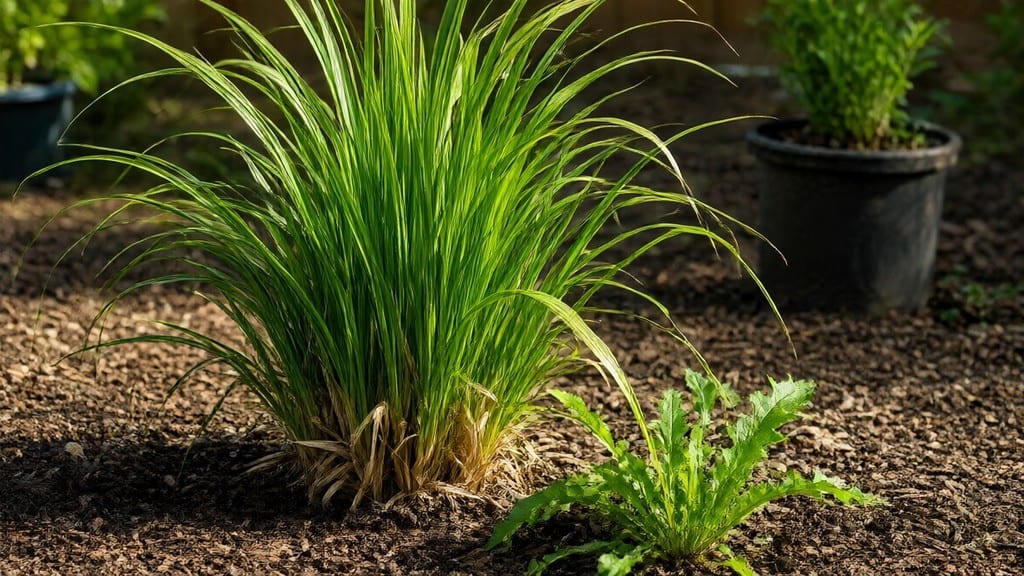
Lemon grass will grow in shade but performs best with partial sunlight, developing stronger stems and more aromatic oils when given 4-6 hours of indirect light daily. Limited light slows its growth and reduces flavor potency, though it can adapt with careful moisture management.
Lemon grass is famously adaptable, but its growth habits shift dramatically based on light exposure. 💫 In low-light conditions, the plant diverts energy toward survival rather than oil production, resulting in thinner stalks and milder citrus notes.
I've seen home gardeners coax vibrant growth by placing pots near east-facing windows or under sheer curtains—just enough filtered light to keep stems upright and flavor vibrant. The key is balancing patience with consistent watering, as shade-grown plants need more frequent hydration to compensate for reduced photosynthesis.
For those with deep shade gardens, consider companion planting with taller, sun-loving herbs like basil or rosemary. These plants can create a natural light canopy while their roots help aerate the soil, improving moisture retention for your lemon grass.
Just avoid overcrowding—lemongrass needs about 12 inches of space between stalks to develop properly, even in shady conditions.
💡 In This Article
- How Shade Affects Lemon Grass Growth and Flavor
- Optimizing Lemon Grass for Low-Light Gardens
How shade affects lemon grass growth and flavor
Here's what happens when lemon grass faces limited light: Its photosynthesis slows dramatically because the plant relies on chlorophyll to convert sunlight into energy for growth. In deep shade, stems grow thinner (often 1/3 the diameter of sun-grown stalks) and develop a pale green or yellowish tint.
The reason? Shade reduces the plant's ability to produce citral—the compound responsible for its signature lemony aroma and flavor. Studies show citral levels drop by 40-50% in plants receiving less than 2 hours of indirect light daily.
The impact on growth rate is measurable too. Under optimal conditions (partial shade), lemon grass can reach 3-4 feet in 6 months, while in deep shade, growth may stall at 1-2 feet in the same timeframe. The plant's energy shifts from producing essential oils to maintaining basic cellular functions.
You'll notice the texture becomes softer and more fibrous, losing the firm, slightly woody structure that makes sun-grown lemon grass ideal for cooking. 🌱 The trade-off is stark: flavor intensity diminishes while survival instincts take priority.
Light deprivation also affects root development. Lemon grass roots spread wider in search of moisture when light is scarce, making the plant more susceptible to toppling. This is why gardeners often see shade-grown stalks leaning or flopping over—weakened stems can't support their own weight.
The roots also become less efficient at absorbing nutrients, requiring 20-30% more frequent watering to compensate. This creates a vicious cycle: overwatering in shade can lead to root rot, further stunting growth.
For flavor enthusiasts, the difference is night-and-day. Sun-grown lemon grass releases a bright, almost electric citrus aroma when bruised, while shade-grown versions emit a faint, almost floral scent. The oils are less concentrated, meaning you'd need 2-3 times more to achieve the same zing in dishes.
Think of it like comparing fresh lime zest to dried lime powder—the potency simply isn't there. Even the plant's visual cues change: sun-grown stalks have a glossy sheen, while shade-grown ones appear dull and waxy.
Interestingly, lemon grass exhibits a fascinating adaptation called "shade avoidance syndrome." When deprived of light, the plant elongates its stems in a desperate attempt to reach sunlight, but this makes them even more fragile. The internodes (spaces between leaves) stretch out, creating a leggy, weak structure that's prone to snapping.
This is why many gardeners swear by providing dappled shade—where sunlight filters through trees—rather than complete darkness. The intermittent light triggers just enough photosynthesis to support stronger stem development while avoiding the extreme stress of full shade.
What most people don't realize is how temperature interacts with shade. In cooler climates, shade actually helps lemon grass by moderating soil temperatures, but in warm regions, the lack of sunlight can make the plant more vulnerable to heat stress.
The combination of low light and high temperatures creates a double whammy, forcing the plant to expend energy just to regulate its internal temperature rather than grow. This is why tropical climates with partial shade often produce the most robust lemon grass—balancing light exposure with natural temperature control. ✨