
Lawn
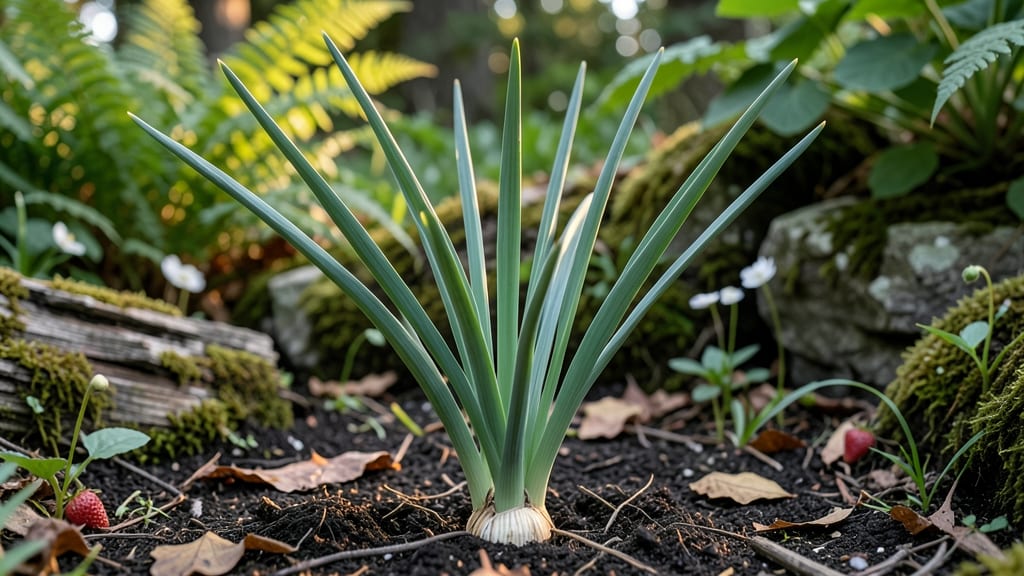
Wild onions in your lawn aren't just weeds—they're sneaky underground invaders that multiply faster than you can pull them. 🌱 I've battled these tenacious plants for years, and the key to eradication starts with knowing exactly what you're dealing with before they take over your entire yard.
The first clue? Their long, thin leaves that grow in clusters and have a distinct onion or garlic scent when crushed. Unlike grass, they produce a single, narrow leaf blade that feels rough to the touch.
And if you dig up a clump, you'll find bulblets—tiny onions ready to sprout new plants next season.
Manual removal works best in small patches: dig out the entire root system (including those bulblets) and compost them immediately. For larger infestations, a targeted vinegar spray or corn gluten meal in fall can weaken their growth cycle.
Within hours of proper treatment, you'll see the first signs of your lawn reclaiming its space.
Here's the good news: these plants are completely edible and can be a delicious bonus if you're growing vegetables nearby. The bad news? They spread aggressively if left unchecked. With the right approach, your lawn can go from overrun to restored in just a few weeks.
How Lawn Conditions Invite Weeds
Wild onions—or Allium vineale—don’t just randomly pop up in your yard. They thrive because of specific conditions in your lawn that create the perfect ecosystem for their growth.
Understanding these triggers is the first step to stopping them before they spread. Let’s break down the key factors that turn your grass into a weed buffet.
Wild onions are opportunistic weeds—they exploit lawns where the soil lacks balance. Here’s why:
- Low nitrogen levels: While nitrogen-rich lawns support thick grass, wild onions prefer moderate nitrogen. If your soil tests show low organic matter (below 5%), these weeds detect the "weakness" and colonize gaps.
- Compacted or clay-heavy soil: Dense, poorly aerated soil prevents grass roots from accessing water and nutrients. Wild onions, with their fibrous, shallow root systems, thrive in these conditions because they can outcompete struggling grass for resources.
- pH imbalances: Most lawns aim for a pH of 6.0–7.0. Wild onions, however, tolerate slightly acidic to neutral soil (pH 5.5–7.5). If your soil is too alkaline (pH >7.5), it may inhibit grass growth, leaving space for weeds.
Actionable fix: Conduct a soil test (DIY kits are affordable) and amend with compost or gypsum to improve structure. For compacted areas, core aeration in early fall opens up the soil, giving grass a fighting chance.
Wild onions love moisture—but not too much of it. Here’s the science:
- Consistent dampness: They prefer moderately moist soil (not soggy). Overwatering can drown out grass roots, creating bare patches where wild onions take hold.
- Shallow watering: If you water lightly but frequently (e.g., daily sprinklers), the topsoil stays damp, encouraging shallow-rooted weeds like wild onions while stressing deeper grass roots.
- Drought followed by rain: Wild onions germinate best in disturbed, moist soil. If your lawn dries out and then gets a heavy downpour, seeds buried just ¼-inch deep will sprout within 7–14 days.
Actionable fix:
- Water deeply 2–3 times per week (early morning) to encourage deep grass roots.
- Use a rain gauge to ensure 1–1.5 inches per week (including rain).
- After mowing, avoid watering immediately—let clippings decompose to return nutrients to the soil.
Your mower might be accidentally helping wild onions spread. Here’s how:
- Cutting too short: Wild onions regrow from their bulb, even if mowed down. But if you scalp your lawn (below 2.5 inches), you stress the grass while leaving weeds unharmed.
- Infrequent mowing: Tall grass shades the soil, keeping it cooler and moister—ideal for wild onion seeds. If you go 4+ weeks without mowing, you’re essentially planting a weed garden.
- Mowing in damp conditions: Wet grass clumps can smother grass and create bare spots. Wild onions exploit these gaps by spreading via bulbils (tiny bulb-like structures) that get scattered during mowing.
Actionable fix:
- Mow at 3–4 inches high to shade out weeds and promote grass density.
- Use a sharp mower blade to avoid tearing grass (which invites disease and weed entry).
- Bag clippings if wild onions are widespread to remove bulbils before they spread.
Wild onions are opportunistic—they move into lawns where grass is weak. Common causes:
- Disease or pest damage: Fungal infections (like brown patch) or grubs can kill grass patches, leaving open space for weeds.
- Seasonal dormancy: In late summer/early fall, grass slows growth, creating a temporary "window" where wild onions germinate.
- Shade stress: Grass needs 4–6 hours of sunlight daily. Under trees or buildings, grass thins, and wild onions outcompete it for light.
Actionable fix:
- Overseed bare spots in early fall with a wild onion-resistant grass mix (e.g., tall fescue or perennial ryegrass).
- Apply a pre-emergent herbicide in late summer to block wild onion seeds (but avoid if overseeding).
- Thin trees/shrubs to increase sunlight in shaded areas.
Pro Tip: 💡 Wild onions often indicate deeper lawn health issues. If they’re spreading, treat the root cause (literally) by improving soil and grass vitality—herbicides alone won’t solve it long-term.
Eliminate Wild Onions Naturally
Wild onions in your lawn don’t have to be a persistent problem—with the right approach, you can banish them for good while keeping your grass healthy. The key is targeting the root cause (literally) and preventing regrowth.
Below, we’ll break down practical, effective solutions based on why they’re popping up in the first place, plus long-term prevention tips to keep your lawn wild-onion-free.
Best for: Small patches or newly noticed growth. Why it works: Wild onions multiply via underground bulbs and seeds. The sooner you remove them, the less they’ll invade.
- 👨🍳 Grab and Twist
- Wait for a damp day (after rain or watering) when the soil is soft.
- Use gloves (to avoid skin irritation) and grasp the onion plant as close to the base as possible.
- Twist firmly to loosen the bulb from the soil—you’ll hear a satisfying pop when it’s out.
- Check for bulb fragments: Even a tiny piece can regrow, so inspect the soil and remove any leftovers.
- 🔪 Dig Deep for Stubborn Bulbs
- If twisting doesn’t work, use a hand trowel to dig around the plant.
- Aim for 3–4 inches deep—wild onions send down long, fibrous roots.
- Pro tip: 💡 Rinse bulbs under water to spot hidden fragments (they’ll float if broken).
- 🗑️ Dispose Properly
- Do NOT compost wild onions—they’ll regrow!
- Bag and trash them immediately, or burn them (if local regulations allow).
Best for: Larger infestations or thick grass areas. Why it works: Wild onions thrive in open soil. By blocking sunlight and nutrients, you weaken their growth.
- 🥘 Mulch or Cardboard Layer - Cover the affected area with 3–4 layers of wet newspaper or cardboard, then top with 2–3 inches of mulch (straw, wood chips, or even thick grass clippings). - Keep the layer moist for 4–6 weeks.
The onions will decompose without sunlight. - Re-seed or re-sod afterward for a fresh start.
- 🌡️ Solarize the Soil (For Hot Climates)
- If you’re in a warm region, clear the area of debris and lay clear plastic sheeting over the infested spot.
- Secure the edges with soil or bricks and leave it for 4–6 weeks in peak sun.
- The heat will kill bulbs and seeds in the top 6 inches of soil.
Best for: Stubborn patches where manual removal isn’t enough. Why it works: Vinegar and salt disrupt the onion’s cellular structure without harming the environment (used correctly).
- 🍎 Vinegar Spray (Spot Treatment)
- Mix 1 gallon of white vinegar (5% acetic acid) + 1 oz. dish soap + 1 cup salt.
- Spray directly on leaves (avoid desirable plants—vinegar kills everything it touches).
- Reapply every 3–4 days until the onions turn brown and die.
- Best time: Early morning or late evening (less evaporation).
- 🧂 Salt Barrier (For Edges)
- Sprinkle a thin layer of coarse salt around the perimeter of the infested area.
- The salt draws moisture out of the bulbs, dehydrating them over time.
- Warning: ⚠️ Avoid using salt near grass or plants—it can harm them too.
Once you’ve cleared the wild onions, keep them from coming back with these long-term strategies:
| Method | How to Do It | Best For |
|---|---|---|
| 🌿 Thick, Healthy Grass | Overseed bare spots with dense grass varieties (like tall fescue or ryegrass). | Shady or thin lawn areas. |
| 🌱 Regular Mowing | Keep grass 3–4 inches tall—taller grass outcompetes weeds. | Sunny lawns. |
| 💧 Deep Watering | Water deeply 2–3 times per week (encourages deep roots that crowd out weeds). | Drought-prone areas. |
| 🔍 Early Detection | Walk your lawn weekly and pull new sprouts before they bulb. | Any lawn (prevents spread). |
| 🌡️ Pre-Emergent Herbicide | Apply in early spring (before onions sprout) to block seed germination. | Large lawns (follow product instructions). |
If you’ve got a small, manageable patch, consider:
- 🥗 Harvesting them (they’re edible!)—chop and sauté like green onions.
- 🌱 Using them as natural pest control—plant them near roses or veggies to repel pests.
Final Tip: 🎯 Patience is key—wild onions can take 2–3 seasons to fully disappear if bulbs were deep. Stick with your chosen method, and your lawn will stay wild-onion-free for years!
Frequently asked questions
How can I tell if those are wild onions or just grass?
Wild onions have long, hollow leaves that grow in clusters and feel slightly rough when touched. Crush a leaf—if it smells like onions or garlic, it’s definitely not grass. They also grow in tight groups (unlike grass which spreads evenly), and you’ll often see small bulblets at the base when you dig them up.
Are wild onions harmful to my lawn or pets?
Wild onions aren’t toxic to pets or people, but they can outcompete your grass and create bare patches. While they’re edible for humans (great in soups or salads), some pets may avoid them due to the strong flavor. The real issue is their aggressive spread—if left unchecked, they’ll multiply underground and take over your lawn.
Why do they keep coming back after I pull them?
Wild onions spread through bulblets and seeds—even tiny fragments left in the soil can regrow. The key is removing the entire bulb system (including hidden bulblets) and not composting them. For stubborn patches, try vinegar spray or mulching to block sunlight and prevent regrowth.
Can I use herbicide on wild onions without killing my grass?
Spot-treating with selective herbicides (like 2,4-D) can work, but timing is critical. Apply when wild onions are actively growing but before grass seeds germinate. For organic options, corn gluten meal (applied in fall) prevents seed germination, while vinegar solutions target only the weeds you spray.
How long does it take to get rid of wild onions completely?
With consistent removal, you’ll see 70% reduction in 1–2 months, but full eradication can take 1–2 seasons if bulbs were deep. The key is weekly inspections to catch new sprouts early. Combine manual removal with soil improvement (aeration, compost) to help grass outcompete them naturally.