
Lawn
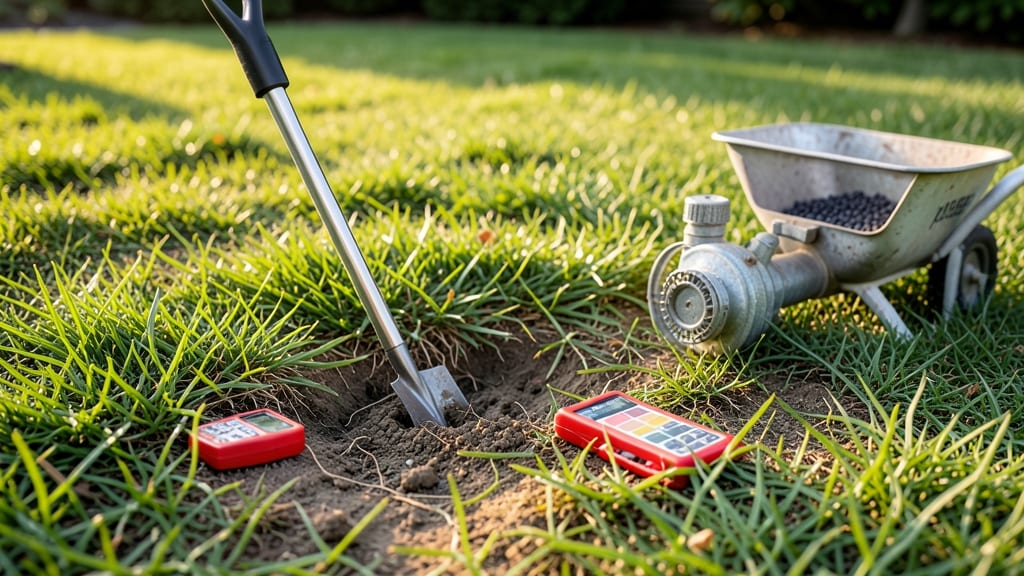
Those dark green patches in your lawn aren’t just unsightly—they’re a sign your grass is struggling under moss, algae, or even fungal hitchhikers. 🌱 I’ve battled this myself after a damp spring left my yard looking like a science experiment gone wrong.
The good news? You can turn things around in 24 hours with the right approach—no harsh chemicals required.
Most patches start with shady spots, compacted soil, or overwatering, creating the perfect playground for moss and algae. I learned the hard way that simply mowing lower or adding fertilizer won’t fix the root cause—you’ve got to tackle moisture, airflow, and soil health first.
A quick soil test (or even just pressing your thumb into the ground) tells you everything you need to know.
By the end of the day, you’ll have a plan to restore your lawn’s vibrancy—whether that means raking out moss, adjusting your watering schedule, or letting sunlight work its magic.
The results? Grass that’s thicker, greener, and actually thriving instead of just surviving. No more guessing games, just real fixes.
Works for any lawn size, from small backyards to sprawling front yards. Here’s how to diagnose and fix it—without the mystery.
Hidden Causes Behind Uneven Lawn Colors
Dark green patches creeping into your lawn aren’t just an eyesore—they’re often a sign that something’s off beneath the surface. Whether it’s shady secrets or hidden invaders, these patches reveal deeper issues.
Let’s break down the science behind why your lawn is throwing a mossy or algae party in spots while the rest plays it safe.
Algae and moss thrive in wet, soggy conditions—think of them as the water-loving party guests that overstay their welcome. When your lawn gets too much water (or struggles to drain properly), oxygen levels drop, and grass struggles to grow. Here’s why it happens:
- Compacted Soil: Heavy foot traffic, construction equipment, or clay-heavy soil can create a waterlogged barrier, trapping moisture at the surface. Algae and moss love this environment because they don’t need deep roots to survive.
- Irrigation Overload: Sprinklers running too long or too frequently (especially in cool, shady areas) turn your lawn into a swamp. Algae grows rapidly in these conditions, forming those slick, dark green patches.
- Low Sunlight + High Moisture: Shady spots naturally stay damp longer. Combine that with overwatering, and you’ve created the perfect algae buffet.
Pro Tip: 💡 Test your soil’s drainage by digging a 6-inch hole and filling it with water. If it drains in less than 6 hours, you’re golden. If it’s still soggy after 24 hours, you’ve got a drainage issue to fix.
Not all grass is created equal—some varieties crave sunlight, while others thrive in the shade. When your lawn has patches that get less than 4–6 hours of direct sunlight daily, the grass weakens, and opportunistic plants like moss and algae move in.
- Grass Struggles to Photosynthesize: Without enough sunlight, grass blades can’t produce enough energy to outcompete moss and algae. These invaders don’t need sunlight—they steal nutrients from the weakened grass instead.
- Moisture Retention in Shade: Shady areas dry out slower than sunny spots, keeping the soil damp longer. This creates the perfect breeding ground for algae and moss.
- Wrong Grass Type: If you planted sun-loving grasses (like Bermuda or Zoysia) in shady spots, they’ll fight for survival, leaving gaps for moss and algae to fill.
Pro Tip: 🌡️ If your lawn has consistent shade (like under trees), switch to shade-tolerant grasses like Fine Fescue or St. Augustine. For temporary fixes, consider mulching or aerating to improve airflow.
Sometimes, those dark patches aren’t algae or moss—they’re fungal invaders like dollar spot or red thread. These fungi thrive in moist, nutrient-rich soil and can turn your lawn into a sickly green carpet if left unchecked.
- High Nitrogen, Low pH: Too much nitrogen (from fertilizers or organic matter) can create ideal fungal conditions. Meanwhile, acidic soil (pH < 6.0) weakens grass roots, making them vulnerable to fungal attacks.
- Thatch Buildup: A thick thatch layer (dead grass and debris) traps moisture and blocks oxygen, creating a fungal paradise right at the soil surface.
- Poor Air Circulation: Dense grass or tight mowing patterns can suffocate your lawn, giving fungi the upper hand.
Pro Tip: ✨ Test your soil’s pH—if it’s below 6.0, apply lime to raise it. For fungal issues, reduce nitrogen temporarily and consider a fungicide treatment if the problem persists.
Underground pests like grubs, chinch bugs, or sod webworms can devastate grass roots, leaving patchy, weak areas where moss and algae take over. Even deer or rabbit grazing can stress your lawn into submission.
- Grubs Feasting on Roots: These C-shaped larvae munch on grass roots, causing brown patches that later turn green as moss moves in.
- Chinch Bugs Draining Nutrients: These tiny pests suck sap from grass blades, weakening them and making them susceptible to invaders.
- Compacted or Damaged Soil: Heavy machinery, construction, or even too much foot traffic can crush roots, leaving bare spots for moss and algae to colonize.
Pro Tip: 🔥 If you suspect pests, dig up a small patch of grass—if you see white grubs or tiny black bugs, treat with beneficial nematodes or insecticidal soap. For compacted soil, aerate to let roots breathe.
Now that you know who’s really behind those sneaky green patches, you’re one step closer to a lush, uniform lawn. Next up: How to Kick Them Out for Good—without losing your sanity (or your weekend).
Fixing Lawn Patches Fast
Got unsightly dark green patches ruining your lawn’s lush look? Don’t panic—most causes have quick fixes, and with the right steps, you can restore your grass in 24 hours or less.
Below, we break down the best solutions based on the root cause, from moss and algae to shade or water issues. Plus, we’ll share pro tips to keep your lawn healthy long-term.
Moss thrives in damp, shaded areas with poor drainage. To eliminate it and prevent regrowth:
🍳 Step 1: Remove the Moss
- Scrape it out with a stiff rake or garden fork (don’t just mow over it—this spreads spores!).
- Vacuum it up with a leaf blower for a cleaner look.
👨🍳 Step 2: Improve Soil & Drainage
- Aerate the lawn (rent a core aerator or use a manual spike aerator) to let water drain better.
- Spread ¼-inch of sand or compost over the area to raise the soil level slightly.
- Top-dress with lime (if your soil is acidic) to create a grass-friendly environment.
🥘 Step 3: Apply a Moss Killer (Optional but Effective)
- Use a fertilizer with iron sulfate (like Scotts Moss & Algae Control) to kill moss and feed grass.
- Follow label instructions—overapplying can harm grass.
⏰ Step 4: Re-seed or Sod
- For bare spots: Sprinkle grass seed and cover lightly with straw.
- For larger patches: Lay sod for instant coverage.
- Water lightly daily for 2 weeks to help roots establish.
Algae turns lawns slimy and dark green, often after heavy rain or overwatering. Here’s how to banish it:
🔪 Step 1: Scrub the Surface
- Mix 1 gallon of water + 1 cup bleach (or a commercial algae cleaner like BioAdvanced Algae & Moss Killer).
- Scrub the patches with a stiff brush or sponge.
- Rinse thoroughly with water.
💡 Pro Tip: Avoid vinegar—it kills algae but also harms grass.
🌡️ Step 2: Adjust Watering Habits
- Water deeply but less often (early morning is best).
- Fix drainage issues (grade the yard so water flows away from the house).
- Avoid overwatering—algae loves soggy conditions.
🎯 Step 3: Boost Grass Health
- Fertilize with a slow-release, nitrogen-rich formula (like Milorganite) to crowd out algae.
- Mow high (3–4 inches) to shade the soil and prevent algae growth.
Dark patches in shady spots often mean weak grass struggling to thrive. Try these fixes:
🌱 Step 1: Choose Shade-Tolerant Grass
- Overseed with fine fescue or Kentucky bluegrass (both handle shade better than Bermuda or Zoysia).
- Use a shade-specific fertilizer (like Pennington Smart Feed for Shade).
🔥 Step 2: Improve Soil Nutrients
- Test your soil (use a DIY kit from a garden center) to check pH and nutrient levels.
- Add compost or a slow-release fertilizer to boost organic matter.
- Consider a soil amendment (like vermiculite or peat moss) if drainage is poor.
✨ Step 3: Thin the Canopy (If Trees Are the Culprit)
- Prune overhanging branches to let more light reach the lawn.
- Use a lawn fan (yes, they exist!) to circulate air in heavily shaded areas.
Standing water or poor drainage creates the perfect breeding ground for moss, algae, and weak grass. Here’s how to fix it:
🚧 Step 1: Check for Low Spots
- After rain, walk your lawn—do you see puddles lingering?
- Fill low spots with a mix of topsoil and sand (50/50 ratio).
🌧️ Step 2: Install a French Drain (For Severe Cases)
- Dig a trench, add gravel, then lay a perforated pipe to redirect water.
- Cover with soil and reseed.
💡 Pro Tip:
If your lawn floods often, consider sand top-dressing to improve drainage over time.
Once your lawn is back to green, lock in the results with these habits:
- Mow high (never cut more than ⅓ of the blade at once).
- Water deeply 2–3 times per week (early morning only).
- Aerate annually (spring or fall) to prevent compaction.
- Apply pre-emergent herbicide in early spring to stop weeds/moss before they start.
- Test soil every 2–3 years and adjust pH/fertilizer as needed.
Final Thought: Most dark green patches are fixable with the right approach—and the key is acting fast. Whether it’s moss, algae, shade, or water issues, your lawn can bounce back healthier than ever with a little elbow grease and the right tools. 🌱✨
Frequently asked questions
Why do dark green patches appear in some areas but not others?
Those patches usually form where conditions favor moss, algae, or weak grass. Shady spots with poor drainage or overwatering create the perfect environment for these invaders. The rest of your lawn stays healthy because it gets proper sunlight, airflow, and balanced moisture.
Is it safe to use bleach on algae patches?
Yes, but only in a diluted solution (1 cup bleach per gallon of water). Always rinse thoroughly after scrubbing to avoid harming grass. For a gentler option, try a commercial algae cleaner like BioAdvanced. Never use straight bleach or vinegar—both can damage your lawn.
How do I know if my dark patches are moss vs. algae?
Moss feels soft and spongy, while algae creates a slimy, slippery surface. Moss usually grows in tufts, while algae spreads like a thin green film. If you can peel it back easily, it's likely algae—if it's rooted like grass, it's probably moss.
Will adjusting my mowing height help prevent these patches?
Mowing at 3-4 inches shades the soil and prevents algae growth. Taller grass also crowds out moss by competing for nutrients. Just avoid cutting more than ⅓ of the blade at once to prevent stressing your lawn.
How often should I aerate to prevent dark patches?
Aerate once a year in spring or fall for most lawns. If you have heavy clay soil or compacted areas, consider aerating twice yearly. This improves drainage and prevents the waterlogged conditions that invite moss and algae.