
Lawn
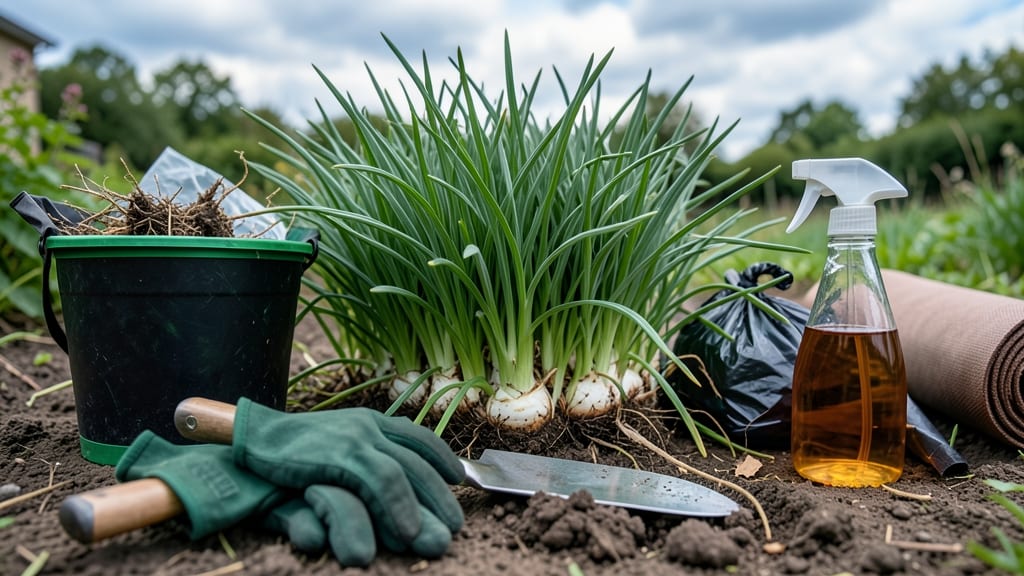
Wild onions in your lawn are more stubborn than a stubborn weed—until you know the right moves. 🌱 I’ve spent years wrestling with these grassy invaders, and the secret isn’t brute force but smart timing and the right tools.
These plants spread through underground bulbs, so a single clump can quickly become a lawn-wide problem if ignored.
Most people grab herbicides first, but that’s like using a sledgehammer for a splinter. Instead, I’ve found that manual removal in early spring—when the plants are actively growing—works best. Grab a weeding tool or even a strong fork to dig out the entire bulb, roots and all.
Even a tiny fragment left behind will regrow, so patience here pays off.
By late summer, your lawn will look thicker, greener, and completely onion-free if you’ve caught every bulb. The key is consistency: check for new shoots every few weeks, and you’ll break their cycle. It’s not rocket science, but it is satisfying to see those pesky clumps disappear for good.
For stubborn patches, a vinegar spray (1 gallon vinegar + 1 oz dish soap) works as a natural herbicide—just reapply after rain. And here’s the pro tip: Overseed bare spots with winter ryegrass to crowd out any lingering bulbs before spring. Your lawn will thank you.
Root Causes Of Lawn Invaders
Wild onions (and their close relatives, wild garlic) don’t just magically appear in your lawn—they’re opportunistic survivors thriving on specific conditions. Understanding why they take over helps you prevent future outbreaks. Here’s the science behind their persistence:
Wild onions reproduce primarily through seeds, which can lie dormant in soil for years before germinating. Here’s how they spread:
- Wind and wildlife: Lightweight seeds hitch rides on breezes or cling to animals, birds, and even lawn equipment. A single plant can produce 500–1,000 seeds per year.
- Mowing and tilling: Cutting grass or turning soil disturbs seeds, burying them at ideal depths (¼–½ inch) for germination. Pro tip: If you’ve recently renovated your lawn, seeds may have hitched a ride from nearby wild areas.
- Human activity: Contaminated soil from gardens, compost, or even potted plants can introduce seeds. Even a tiny patch left untreated can explode into a full invasion.
Wild onions love lawns because they mimic their natural habitat: sunny, compacted, and nutrient-poor soil. Key triggers include:
| Factor | Why It Helps Wild Onions |
|---|---|
| 🌞 Full sun exposure | They thrive in 6+ hours of direct sunlight, outcompeting shade-tolerant grasses. |
| 💧 Overwatering or poor drainage | Moist, soggy soil (or drought stress) weakens grass roots, giving onions a foothold. They detest waterlogged conditions but flourish in consistently damp spots. |
| 🪴 Compacted or thin soil | Heavy foot traffic, construction, or clay soil creates dense layers that choke out grass but let onions push through with their aggressive rhizomes. |
| 🌾 Nutrient imbalance | Lawns over-fertilized with nitrogen (for green grass) but lacking potassium or phosphorus become weak. Onions thrive in lean soil and even steal nutrients from grass roots. |
While seeds cause the initial outbreak, rhizomes (underground stems) are the real lawn takeover artists. Here’s how they work:
- Underground expansion: A single rhizome can grow 2–3 feet per year, sending up new shoots every 6–12 inches. Even a 1-inch piece left in the soil can regrow.
- Chemical warfare: Wild onions release allelopathic compounds that suppress grass growth around them, creating "dead zones" where only they survive.
- Persistence: Rhizomes can survive drought, mowing, and even herbicide if not fully eradicated. Pro tip: If you’ve pulled onions before and they keep returning, rhizomes are likely the culprit.
Wild onions don’t respect property lines. If your lawn is infested, chances are your neighbors’ are too. How it spreads:
- Seed drift: Seeds travel hundreds of feet on wind, landing in cracks in driveways, sidewalks, or adjacent yards.
- Shared tools: Mowers, rakes, and shovels can transport rhizome fragments from one lawn to another.
- Wildlife corridors: Deer, rabbits, and even squirrels eat the bulbs and disperse seeds in their droppings.
Actionable fix: Check nearby fields, roadsides, or wooded areas—wild onions often originate from disturbed natural habitats.
Tackle Wild Onions Naturally
Wild onions may seem like a stubborn foe, but with the right approach, you can reclaim your lawn—without harsh chemicals. Below are targeted solutions based on the root causes (literally!) of their invasion, along with prevention tips to keep them from staging a comeback.
Best for: Small patches, early detection, or eco-conscious gardeners.
Wild onions thrive because they spread via bulbs and seeds. The most effective way to stop them? Pull them out before they seed. Here’s how:
- 🔥 Wait for the Right Time
- Pull after rain or watering when soil is soft (🌧️💧). Never tug dry soil—you’ll snap the bulb off, leaving it to regrow.
- 👨🍳 Dig Deep (Literally) - Use a hand trowel or weeder to loosen the soil around the plant.
Wild onions grow 6–12 inches deep—don’t skimp! - Grab the base of the plant (not the leaves) and wiggle it free. Pro tip: 💡 Wear gloves—wild onions release a pungent oil that can irritate skin.
- 🗑️ Dispose Properly
- Do NOT compost the pulled plants—they’ll regrow! Instead, bag them and toss in the trash or burn them (if local laws allow).
- ⏰ Repeat Weekly
- Check your lawn every 5–7 days for new sprouts. Consistency is key—one missed bulb = more work later.
Best for: Large infestations or thick grass areas where hand-pulling isn’t practical.
Wild onions need sunlight to grow. Cut off their access, and they’ll wither away.
- 🥘 Cover with Cardboard or Newspaper
- Lay 2–3 layers of wet cardboard or black plastic sheeting over the infested area.
- Secure edges with rocks or soil so wind doesn’t lift it.
- Leave for 4–6 weeks—this blocks light and kills the plants (and their bulbs).
- 🌡️ Solarize the Soil (For Hot Climates)
- If you live in a warm region (Zone 7+), clear the area of debris, then cover with clear plastic.
- Let the sun bake the soil for 4–8 weeks—temperatures inside the plastic will reach 120°F+, killing bulbs and seeds.
- 🎯 Replant Grass Seed After
- Once the area is clear, loosen soil, add compost, and reseed with a dense grass mix (like tall fescue or Kentucky bluegrass). Thick grass = fewer weeds!
Best for: Medium-sized patches where smothering isn’t an option.
If hand-pulling feels tedious, vinegar-based sprays or corn gluten meal can help—just know they’re not instant fixes.
| Method | How to Use | Effectiveness | Pros | Cons |
|---|---|---|---|---|
| Vinegar Spray | Mix 1 gallon white vinegar + 1 oz dish soap + 1 cup salt. Spray directly on leaves (avoid grass). Repeat weekly. | Moderate | Fast-acting, cheap | Can kill grass too; repeat needed |
| Corn Gluten Meal | Sprinkle 20 lbs per 1,000 sq ft in early spring. Water in. Prevents seeds from sprouting. | High (preventive) | Organic, safe for lawn | Won’t kill existing bulbs |
| Boiling Water | Pour boiling water directly on the base of plants (works best in cracks or thin soil). | Fast but labor-intensive | No chemicals, immediate effect | Risk of burning grass nearby |
✨ Pro Tip: For best results, combine methods—e.g., pull what you can, then spray vinegar on stubborn spots.
Once you’ve banished them, stop them from coming back with these long-term strategies:
- 🌿 Maintain a Healthy Lawn
- Mow high (3–4 inches) to shade out weeds.
- Aerate annually to prevent soil compaction (weeds love tight soil).
- Fertilize properly—thick grass crowds out invaders.
- 🚫 Remove Seed Heads
- If you spot wild onions flowering, snip the seed heads before they drop. This stops new plants from forming.
- 🌱 Plant Competitive Ground Covers
- Add clover, creeping thyme, or moss to fill bare spots—these outcompete wild onions naturally.
- 🔄 Rotate Your Approach
- Alternate between hand-pulling, smothering, and natural sprays to avoid resistance.
If wild onions cover more than 20% of your lawn or keep returning despite your efforts, consider:
- Pre-emergent herbicides (like pendimethalin) in early spring (follow label instructions carefully).
- Professional lawn treatment—some companies specialize in organic weed control.
Final Thought: Wild onions may be tough, but they’re not unbeatable. Start small, stay consistent, and your lawn will thank you—bulb-free and beautiful! 🌿💪
Frequently asked questions
Why do wild onions keep coming back even after I pull them?
Wild onions spread through underground bulbs and rhizomes, which can fragment when pulled. Even a 1-inch piece left in the soil will regrow. Always dig 6–12 inches deep and dispose of plants in the trash—never compost them. Check your lawn weekly for new sprouts.
Can I use regular vinegar to kill wild onions without harming my grass?
Yes, but with caution! Mix 1 gallon white vinegar + 1 oz dish soap and spray only on leaves—avoid grass. The acidity burns the plants, but it may also damage nearby grass. For safer results, apply on a dry, sunny day and spot-test first. Repeat weekly until gone.
How can I tell if I’m dealing with wild onions or wild garlic?
Crush a leaf—wild onions smell strong and onion-like, while wild garlic has a pungent garlic scent. Both have long, grass-like leaves, but garlic’s leaves are hollow when crushed. Wild garlic is harder to eradicate due to its aggressive rhizome system.
Will mowing help control wild onions in my lawn?
No, mowing alone won’t stop them—it can even spread the problem by burying seeds or rhizome fragments. However, mowing high (3–4 inches) shades out new shoots. For real control, combine mowing with hand-pulling or smothering methods in early spring before they seed.
Are there any natural predators or animals that eat wild onions?
Yes! Deer, rabbits, and even some birds avoid wild onions due to their pungent oils, but ducks and geese love them—they’ll happily graze on bulbs and seeds. If you have waterfowl nearby, they might help reduce your infestation naturally. Just don’t rely on them alone for full eradication.