
Pests and Diseases
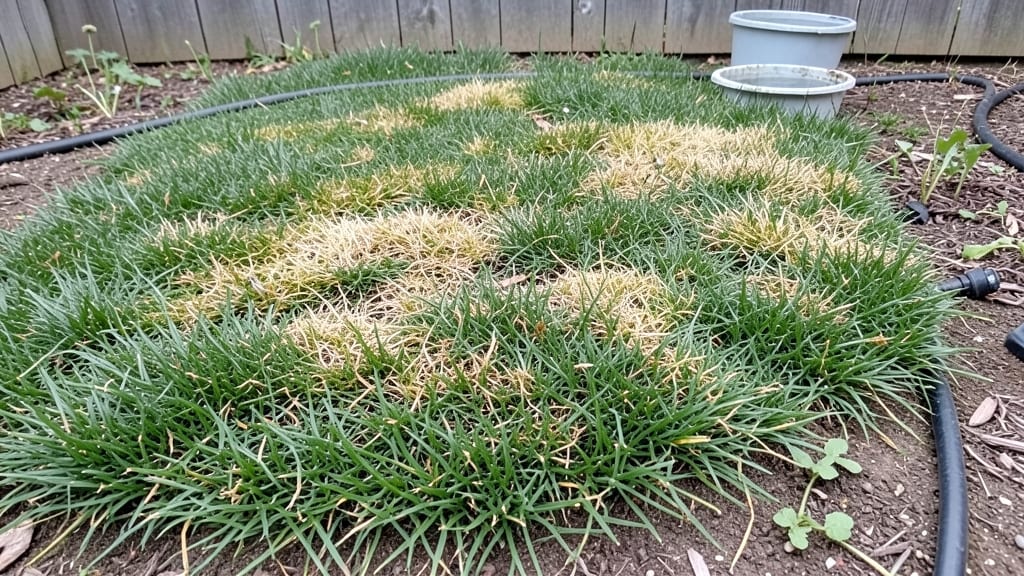
Your sod turning yellow can feel like a mystery—until you know the five most likely culprits lurking beneath the surface. 🌱 I’ve seen this happen after heavy rains, droughts, and even from something as simple as mowing too short, and each cause needs a different fix to bring that deep green back.
The most common reasons are overwatering (which suffocates roots), poor drainage (where water pools and starves grass), or nutrient deficiencies (when soil runs out of food).
Fungal diseases and pests like grubs can also sneak in, turning patches yellow overnight—though these usually come with other telltale signs like thin spots or chewed blades.
By the end of this guide, you’ll spot the exact problem in your yard and take action—whether it’s adjusting your watering schedule, aerating compacted soil, or feeding your lawn the right nutrients. The best part? Most fixes take less than an hour and start showing results within a week.
For stubborn cases or when yellowing spreads fast, I’ll tell you when to call in a pro before the damage becomes permanent. Let’s get that lawn looking vibrant again.
Root Causes Of Yellowing Sod
When your once-lush green lawn starts turning yellow, it’s usually a cry for help from your grass. Understanding the why behind the discoloration is the first step to restoring that vibrant green.
Below, we break down the most common culprits—each with a clear, science-backed explanation—and what they mean for your lawn’s health.
Overwatering or poor drainage 💦
Grass thrives on moisture, but too much water—or water that doesn’t drain properly—can suffocate roots and lead to yellowing. Here’s how it happens:
- Oxygen deprivation: When soil stays soggy, it fills with water, pushing out the oxygen roots need to respire. Without oxygen, roots weaken, and grass turns yellow or brown.
- Fungal growth: Excess moisture creates the perfect environment for Fusarium or Pythium fungi, which attack grass blades and roots, causing yellow patches.
- Salt buildup: If your water has high salt content (common in tap or well water), it accumulates in the soil, burning grass roots over time.
Actionable fix: Test your soil’s drainage by digging a 6-inch hole and filling it with water. If it drains in under 6 hours, your soil is fine. If not, amend with compost or sand to improve aeration. Water deeply but infrequently—aim for 1–1.5 inches per week, including rainfall.
Underwatering or drought stress 🌞
On the flip side, too little water stresses grass, causing it to yellow as a survival mechanism. Here’s the science:
- Water loss triggers: Grass blades lose turgor pressure (the internal water pressure that keeps them stiff) when dehydrated, leading to wilting and yellowing.
- Root shrinkage: Without enough water, roots shrink and can’t absorb nutrients efficiently, starving the grass above ground.
- Heat amplification: Hot, dry conditions accelerate moisture loss, making drought stress worse. Many cool-season grasses (like Kentucky bluegrass) yellow quickly in summer heat.
Actionable fix: Water early in the morning (4–8 AM) to reduce evaporation. Use a rain gauge or tuna can to measure 1 inch of water per week during dry spells. If your grass is already yellow, it may recover with consistent watering—but severe drought damage can kill roots permanently.
Nutrient deficiencies 🌱
Yellowing sod is often a sign your grass isn’t getting the right nutrients. The most common deficiencies and their effects:
| Nutrient | Deficiency Symptom | Why It Happens |
|---|---|---|
| Nitrogen (N) | Pale yellow or straw-like color, especially in new growth. | Nitrogen is essential for chlorophyll production. Without it, grass can’t photosynthesize efficiently. |
| Iron (Fe) | Bright yellow leaves with green veins (interveinal chlorosis). | Iron helps chlorophyll form. Alkaline soil (pH > 7.0) locks out iron, even if it’s present. |
| Potassium (K) | Yellowing at the tips or edges of blades, weak roots. | Potassium regulates water and disease resistance. A deficiency makes grass vulnerable to stress. |
| Magnesium (Mg) | Yellow patches between veins (similar to iron but less severe). | Magnesium is central to chlorophyll. Soil compaction or high calcium levels can deplete it. |
Actionable fix: Test your soil’s pH and nutrient levels with a DIY kit or lab test. For quick fixes:
Soil pH imbalances 🧪
Grass prefers a soil pH between 6.0 and 7.0. Outside this range, nutrients become unavailable, leading to yellowing. Here’s how pH affects your lawn:
- Too acidic (pH < 6.0): Excess aluminum and manganese become toxic, burning roots and stunting growth.
- Too alkaline (pH > 7.0): Nutrients like iron, manganese, and phosphorus bind to soil particles, making them inaccessible to grass.
- Micronutrient lockout: Even if nutrients are in the soil, high pH prevents roots from absorbing them, causing yellowing despite fertilization.
Actionable fix: Test your soil’s pH with a home test kit. Adjust with:
Apply according to test recommendations and retest in 2–3 months.
Pest or disease attack 🐜
Insects and pathogens can turn your sod yellow faster than you think. Here’s how they do it:
- Grubs (larvae of beetles): They chew on roots, causing grass to pull up easily and turn yellow in patches.
- Chinch bugs: These sap-sucking pests inject toxins into grass, leading to straw-like yellowing, especially in dry conditions.
- Fungal diseases (e.g., brown patch, dollar spot): Fungi thrive in warm, humid weather, creating yellow or brown rings or spots. They weaken grass by blocking water and nutrient uptake.
- Nematodes: Microscopic worms damage roots, reducing water and nutrient absorption, which manifests as yellowing.
Actionable fix: Inspect your lawn for signs of pests (e.g., grubs in soil, chinch bug damage in dry spells). Treat with:
💡 Pro Tip: If yellowing appears in random patches, pests or disease are likely. If it’s uniform across the lawn, check watering, pH, or nutrients first.
How to solve it
Yellowing sod can be frustrating, but the good news is that most issues have straightforward solutions—once you identify the root cause. Below, we’ve mapped out practical fixes for each common problem, along with tips to keep your lawn lush and green long-term. Grab your gloves and let’s get to work!
💧 Overwatering or Poor Drainage
If your sod is turning yellow due to soggy soil or excessive moisture, the fix is all about balance. Here’s how to reset your lawn’s hydration:
- 🔥 Reduce watering immediately: Water deeply but less frequently—aim for 1 to 1.5 inches per week (including rainfall). Early morning is the best time to water to minimize evaporation and fungal risks.
- 👨🍳 Improve drainage:
- Test drainage by poking a screwdriver into the soil. If it slides in easily, your soil may be too compacted. Aerate with a core aerator (rent one if needed) to create channels for water and air.
- For clay-heavy soil, mix in compost or sand (50/50 ratio) to loosen it up. Spread a ¼-inch layer over the lawn and lightly rake it in.
- ⏰ Monitor soil moisture: Stick your finger 2–3 inches into the soil. If it’s damp, hold off on watering. Yellowing from overwatering usually fades within 1–2 weeks with proper adjustments.
💡 Pro tip: Install a rain gauge or use a TDR soil moisture meter to track water levels accurately. Overwatering is a sneaky culprit—many homeowners water daily without realizing it!
☀️ Underwatering or Drought Stress
Brown or yellow patches from thirsty grass? Rehydrate and protect your lawn with these steps:
- 🍳 Deep watering sessions: Water for 20–30 minutes, 2–3 times per week (instead of light daily sprinkles) to encourage deep root growth. Use a soaker hose or sprinkler with adjustable nozzles for even coverage.
- 🌡️ Mulch to retain moisture: Spread 2–3 inches of organic mulch (like straw or wood chips) around the base of your lawn to reduce evaporation. Avoid piling mulch directly against the grass.
- 🎯 Drought-resistant grass varieties: If your area frequently experiences dry spells, consider overseeding with drought-tolerant grasses like tall fescue or buffalo grass in the fall.
✨ Prevention tip: Install a smart sprinkler system or use weather-based controllers to automate watering. Apps like Rain Bird or Orbit can adjust schedules based on local forecasts.
🍄 Fungal Infections
Fungal diseases like dollar spot or brown patch thrive in warm, wet conditions. Here’s how to banish them:
- 🔪 Remove affected areas: Dig up and dispose of severely yellowed or dead patches (don’t compost them—fungi can spread!). Trim back any thatched layers to improve airflow.
- 🌡️ Adjust watering habits:
- Avoid watering at dusk or night—fungi love humidity. Water before 10 AM or after 4 PM.
- Use a fungicide designed for lawns (like propiconazole or myclobutanil) if the problem persists. Follow label instructions carefully.
- 💡 Boost lawn health: Fertilize with a low-nitrogen, high-potassium blend to strengthen grass resilience. Aim for a 0-0-30 ratio for fungal resistance.
🔥 Quick fix: For small patches, sprinkle baking soda (1 cup per gallon of water) as a natural antifungal spray. Reapply every 7–10 days until the issue clears.
🌱 Nutrient Deficiencies
Yellowing sod often signals a hunger for key nutrients. Feed your lawn the right way:
- 📊 Test your soil: Grab a DIY soil test kit (available at garden centers) or send a sample to your local Cooperative Extension Service. This will reveal deficiencies in nitrogen, iron, or potassium.
- 💪 Apply the right fertilizer:
- For general yellowing (nitrogen deficiency): Use a balanced fertilizer (10-10-10 or 20-20-20) in early spring or fall.
- For yellow with green veins (iron deficiency): Sprinkle iron sulfate or use a chelated iron supplement according to package directions.
- 🍎 Organic boost: Mix compost or worm castings into the top 2 inches of soil to improve nutrient availability naturally. Top-dress in early spring or after aerating.
🎯 Prevention tip: Schedule two fertilizer applications per year—once in early spring (for growth) and once in fall (for root strengthening). Avoid over-fertilizing, which can burn grass and worsen yellowing.
🐜 Pests or Grubs
If grubs, chinch bugs, or other pests are munching on your lawn’s roots, act fast to restore health:
- 🔥 Identify the pest:
- Roll back a small section of sod. Grubs (white, C-shaped larvae) or chinch bugs (tiny black bugs) are common culprits.
- Look for birds pecking at the lawn (a sign of grubs) or irregular brown patches (chinch bugs).
- 👨🍳 Treat the infestation:
- For grubs: Apply a grub control like imidacloprid or beneficial nematodes (organic option). Water lightly after application.
- For chinch bugs: Use a pyrethrin-based spray or neem oil. Reapply every 7–10 days until they’re gone.
- 🌱 Strengthen recovery: After treating, overseed bare spots with high-quality grass seed and keep the area moist until new growth appears.
✨ Long-term prevention: Encourage natural predators like birds, toads, and ground beetles by avoiding pesticides. Plant native grasses that pests dislike, like zoysia or centipede grass.
Frequently asked questions about yellowing sod
Why does my sod turn yellow in patches instead of all at once?
Patchy yellowing usually signals localized issues like grubs, chinch bugs, or fungal infections. These pests/diseases attack specific areas, while uniform yellowing suggests watering problems or nutrient deficiencies. Check for irregular patterns or thin spots—these are red flags for hidden damage.
Can I still save my lawn if it's been yellow for months?
It depends! If the roots are still alive (test by pulling up a small section), recovery is possible with proper care. Focus on aeration, fertilization, and adjusting watering. For dead patches, reseed or lay new sod. Chronic neglect may require professional soil testing to identify deeper issues.
Is yellow sod always a sign of a problem?
Not necessarily! Some grasses naturally yellow in extreme heat or drought as a survival mechanism. However, if it persists after proper watering or appears unseasonably, investigate further. Healthy grass should rebound within 1-2 weeks of ideal conditions—if not, there's likely an underlying issue.
How do I know if my yellowing is from overwatering vs. underwatering?
Check the soil: If it's soggy to the touch (like a wet sponge), you're overwatering. If it's dry and crumbly 2-3 inches down, you're underwatering. Another clue: Overwatered grass often smells musty, while thirsty grass feels brittle. Adjust your schedule accordingly—1-1.5 inches per week is ideal.
Will mowing too short cause yellowing?
Yes! Cutting grass below 2.5-3 inches stresses roots and exposes them to heat/disease. Shorter grass also struggles to develop deep roots, making it more vulnerable to drought. Always follow the 1/3 rule: Never remove more than one-third of the blade height at once.