
Lawn
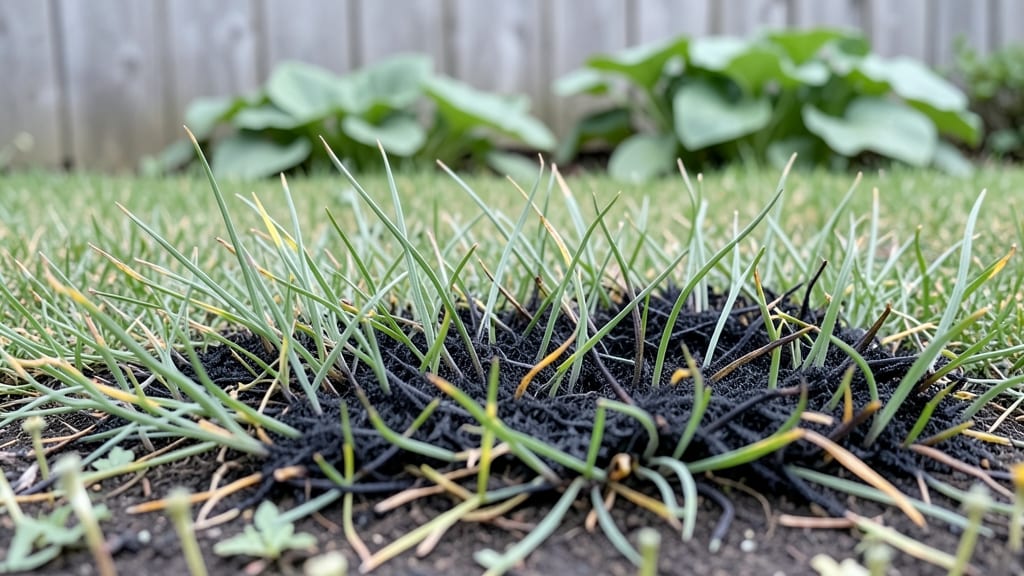
Your lawn turning black overnight isn’t just unsightly—it’s a cry for help from your grass. 🌱 I’ve seen this happen after a single night of heavy dew, a misapplied herbicide, or even grubs feasting underground, and the good news is most cases aren’t permanent.
The first step is figuring out whether you’re dealing with a fungal outbreak, pest invasion, or something else entirely.
Here’s the thing—black grass isn’t always the same problem. Fungal diseases like dollar spot leave behind a velvety black film that rubs off on your fingers, while grubs create irregular patches that pull up easily.
Overwatering or herbicide damage often shows up as uniform darkening without the fuzzy texture. Grab a small shovel and dig into the affected area—what you find there will tell you exactly what to fix.
Once you know the cause, recovery is faster than you’d think. Fungal issues respond to fungicide treatments or even a mix of baking soda and water (yes, really). Grub damage? Beneficial nematodes or milky spore will turn your lawn back into a healthy ecosystem.
And if it’s chemical damage, diluted water and time are your best tools—just stop watering until the soil dries out.
Most lawns bounce back within 2-4 weeks with the right care, but prevention is where real progress happens. Adjust your watering schedule, test your soil before applying chemicals, and keep an eye out for early signs of pests.
Your grass will thank you with a thick, green comeback—and so will your neighbors.
Why it happens
If your once-vibrant lawn has taken on an eerie black or dark brown hue, don’t panic—there’s usually a logical explanation behind the discoloration. Understanding the why behind this issue is the first step to restoring your grass to its lush green glory.
Below, we break down the most common culprits, from natural processes to human errors, with clear scientific insights to help you diagnose the problem.
🌱 Fungal Infections: The Silent Invaders
Fungal diseases are among the most frequent causes of grass turning black or darkening unnaturally. These microscopic organisms thrive in warm, humid conditions and feed on organic matter, including grass blades.
When fungi like Rhizoctonia (causing brown patch disease) or Fusarium (linked to snow mold) take hold, they create dark, water-soaked patches that can spread rapidly. The discoloration often starts as grayish-brown but deepens to black as the fungus consumes the grass tissue.
How to spot it:
- Dark, circular patches that feel spongy or slimy when wet.
- Grass blades that appear bleached or shredded at the tips.
- Active spread during high humidity or after heavy dew.
Why it happens: Fungi release enzymes that break down cell walls in grass, leading to necrosis (cell death). The blackening occurs as the plant’s natural pigments degrade, and the tissue collapses. Overwatering, poor drainage, or compacted soil create the perfect breeding ground for these pathogens.
💧 Overwatering Or Poor Drainage
Too much water—or water that doesn’t drain properly—can suffocate grass roots, leading to anaerobic conditions (lack of oxygen). When roots struggle to breathe, they turn black or dark brown as they die off.
This is often mistaken for fungal activity, but the root cause is purely environmental. Poor drainage is especially problematic in clay-heavy soils, where water pools instead of percolating.
How to spot it:
- Blackened grass in low-lying areas or near downspouts.
- Muddy or soggy soil that stays damp for days.
- Grass that feels mushy when stepped on (a sign of root rot).
Why it happens: Without oxygen, roots undergo anoxic stress, triggering the production of toxic compounds like ethanol. These chemicals damage cell membranes, causing the tissue to darken and die. Overwatering also weakens the grass, making it more susceptible to fungal infections.
⚡ Chemical Burns From Fertilizers Or Herbicides
Applying too much fertilizer—or using the wrong type—can scorch grass blades, leaving behind blackened or crispy patches. Herbicides, especially pre-emergent types or those containing glyphosate, can also cause discoloration if misapplied. Even organic fertilizers, like those high in nitrogen, can burn grass if overused or applied during heatwaves.
How to spot it:
- Blackened or straw-like grass in straight lines (where fertilizer was spread).
- Yellowing or browning at the tips before turning black.
- No signs of fungus or pests in the affected area.
Why it happens: High concentrations of salts or active ingredients in fertilizers/herbicides disrupt the grass’s osmotic balance, drawing water out of cells and causing dehydration. This leads to necrosis (cell death), where chlorophyll breaks down, and the tissue darkens. Heat and drought exacerbate the problem by increasing the chemical’s potency.
🐛 Insect Damage Or Grub Infestations
While many pests feed on grass blades, causing yellowing or browning, some—like white grubs or chinch bugs—can leave behind dark, patchy areas as they devour roots and underground stems.
White grubs, the larvae of beetles, are particularly notorious for creating irregular blackened patches as they chew through the root zone, causing the grass to pull up easily.
How to spot it:
- Grass that lifts up like a carpet when pulled.
- Small, C-shaped larvae in the soil (white grubs).
- Blackened patches that spread unevenly.
Why it happens: Insects disrupt the grass’s vascular system, cutting off water and nutrient flow. As roots and stolons die, the above-ground blades lose their green pigment (chlorophyll) and turn black due to oxidation and microbial activity on the decaying tissue.
🌡️ Extreme Weather Or Temperature Shock
Sudden freezes, heatwaves, or even winter desiccation (drying out in cold weather) can cause grass to darken. Cool-season grasses (like Kentucky bluegrass) may turn black if exposed to prolonged temperatures below 50°F (10°C), while warm-season grasses (like Bermuda) can suffer from heat stress above 95°F (35°C).
Snow mold, a fungal disease exacerbated by heavy, wet snow, also leaves behind blackened, slimy patches in early spring.
How to spot it:
- Uniform darkening across the lawn after a freeze or heatwave.
- Blackened grass that feels mushy or rubbery (snow mold).
- No signs of pests or fungi in other areas.
Why it happens: Extreme temperatures disrupt photosynthesis and cell membrane integrity. In freezing conditions, ice crystals form within plant cells, rupturing them. In heat, proteins denature, and chlorophyll degrades, leading to blackening. Snow mold thrives in these conditions because the snow insulates the soil, keeping it warm and damp—ideal for fungal growth.
Quick Fixes for Reviving Dead Grass
If your lawn is turning black and you’re racing against time, don’t panic—many causes have fast, effective solutions. Below, we’ve mapped the most common culprits to step-by-step fixes, plus prevention tips to keep your grass lush and green. Act quickly, especially for sudden discoloration, as some issues worsen without intervention.
🔥
Fungal Disease (Black Mold, Snow Mold, or Dollar Spot)
Fungal infections thrive in damp, shaded, or overwatered grass, causing black or grayish patches. The good news? Fungicides and cultural fixes can restore your lawn in weeks.
🍄 Step-by-Step Treatment:
- Use clean, sharp shears or a string trimmer to remove all blackened grass down to the soil. This stops the fungus from spreading.
- Thin out dense grass with a rake or dethatcher. If your lawn sits in water, consider aerating or installing a French drain.
- Choose a
- Reapply fungicide every 7–14 days if rain or humidity persists. Keep the area dry for 24–48 hours post-application.
💡 Prevention Tips:
🍳
Overwatering or Poor Drainage (Root Suffocation)
Black grass from overwatering often starts as a soggy, mushy feel before turning dark. If the soil smells like rot, roots are drowning.
👨🍳 Fix It Fast:
- 🚰 Stop Watering Immediately
- Let the soil dry out completely before resuming watering. Stick your finger 2–3 inches deep—if it’s damp, wait.
- 🔧 Check Drainage
- Dig a small hole (6 inches deep) and fill it with water. If it doesn’t drain in 2–4 hours, your lawn has poor drainage.
- Solutions:
- Sand topdressing: Mix coarse sand with compost and spread ¼-inch thick over the area.
- Aerate: Rent a core aerator to create holes for water escape.
- 🌱 Overseed Bare Spots
- Once the soil dries, rake the blackened area and sow drought-tolerant grass seed (like tall fescue or Bermuda).
🌡️ Prevention Tips:
- Water in cycles: 10–15 minutes, 2–3 times per week (vs. daily light watering).
- Test soil drainage before planting—amend clay-heavy soil with gypsum or compost.
- Install a swale (a shallow trench) to redirect water away from low spots.
🥘
Chemical Burn (Fertilizer, Herbicide, or Salt Overload)
Blackened grass from chemicals often appears as crispy, dark patches with yellow halos. Act fast—damaged roots won’t recover without intervention.
🔪 Emergency Recovery Steps:
- Water the area
- Once the area stops darkening, rake out debris and sow
✨ Prevention Tips:
🌡️
Extreme Heat or Drought Stress
Blackened grass in summer often signals heat stress—roots can’t absorb water fast enough, leading to wilting and discoloration.
💦 Immediate Relief:
- 🚰 Deep Water at Night
- Water 1–1.5 inches per week (including rainfall). Use a soaker hose to deliver moisture directly to roots.
- 🌿 Mow Higher
- Set your mower to 3–4 inches to shade roots and retain moisture.
- 🌱 Apply Mulch or Straw
- Spread a ¼-inch layer of straw over bare spots to protect soil and retain humidity.
🎯 Long-Term Solutions:
- Choose drought-resistant grasses (like Buffalo grass or Zoysia) for hot climates.
- Install shade cloth (30–50% coverage) over high-stress areas.
- Aerate in early fall to improve root recovery.
🔥
Animal or Pest Damage (Grubs, Voles, or Deer)
Blackened patches from pests often have
irregular edges and may lift easily when pulled. Look for tunnels, chewed blades, or small holes.🐛 Treatment Guide:
- Once pests are gone, rake the area and sow
💡 Prevention Tips:
Pro Tip: If your grass is both black and smelly, it’s likely
root rot—dig up a small section to check. In this case, remove all infected grass, sterilize the soil with hydrogen peroxide (3%), and replant with disease-resistant seed.Frequently asked questions about blackened grass
Why does my grass turn black in patches but not everywhere?
Patchy blackening usually signals localized issues like fungal infections (e.g., dollar spot) or grub damage. Fungi thrive in damp spots, while grubs create irregular patches where roots are severed. Check for spongy texture (fungus) or grass that pulls up easily (grubs). If the blackness spreads quickly, it’s likely fungal.
Can black grass come back green on its own?
Only if the cause is temporary—like mild heat stress or brief overwatering. For fungal damage or chemical burns, recovery requires intervention (fungicide, flushing soil, or reseeding). Without treatment, blackened grass typically stays dead or turns brown as it dries out.
How do I tell if black grass is from fungus or overwatering?
Fungal blackening feels slimy when wet and often has a velvety texture (rub your fingers over it). Overwatered grass feels mushy, smells like rot, and occurs in low-lying areas. Dig a small sample: healthy roots are white, while drowned roots are black and mushy.
Will vinegar kill black grass and help new grass grow?
Vinegar (acetic acid) can kill blackened grass quickly, but it’s too harsh for new seedlings. Use a 1:1 water-vinegar mix only on dead patches, then flush the area with water. For reseeding, use a mild iron supplement (like Ironite) instead to encourage green growth.
How long does it take for black grass to recover after treatment?
Mild cases (like heat stress) may recover in 2-4 weeks with proper watering. Fungal treatments take 4-6 weeks to show results, while chemical burns may need 6-8 weeks of recovery. Monitor soil moisture and avoid stressing new growth during this time.