
Lawn
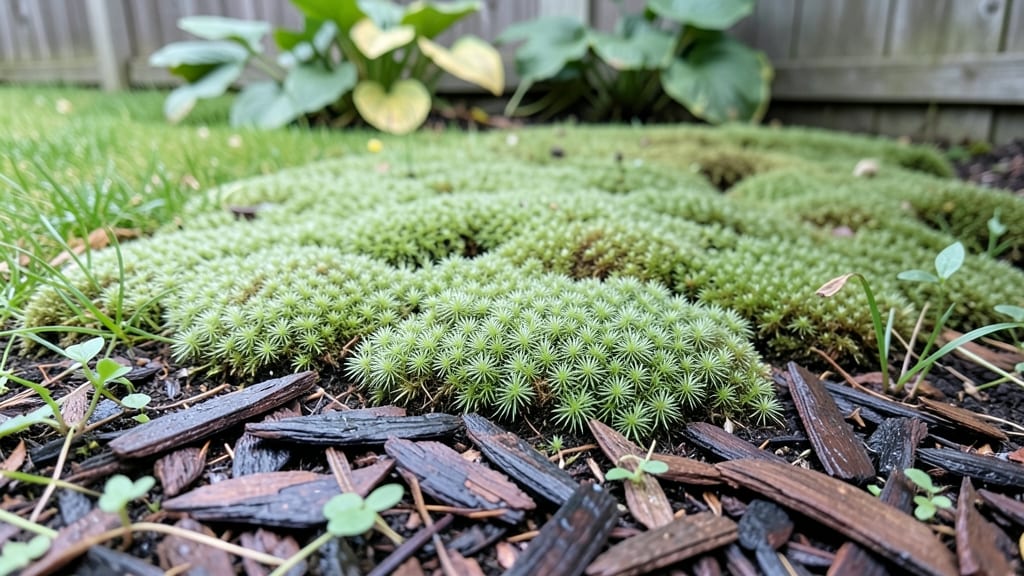
Moss in lawns thrives where grass can't—those damp, shady corners that feel like a lost cause. 🌿 I've spent years watching my own lawn's moss patches spread, and I finally figured out why it happens: too much moisture, not enough sun, and soil that's either too compacted or too acidic.
It's not a lost battle, though—it's just a lawn that needs a different approach.
The problem starts with conditions grass can't handle. Moss loves shade, stays green when grass turns brown, and spreads when soil stays soggy for weeks. My lawn's worst patches were under the big oak tree where the ground never dried out.
Throw in compacted soil that blocks roots from breathing, and you've got the perfect moss hotel. The good news? These issues all fix with the right tools and a little elbow grease.
You'll transform those spongy green patches into thick grass again by improving drainage, aerating the soil, and adding lime if your pH is too low. I've seen lawns go from 80% moss to 90% grass in a single season with these fixes.
The key is acting before moss takes over completely—once it's established, it's harder to beat back.
This works for any lawn with shade, clay soil, or poor drainage—even the most stubborn patches. The secret is consistency: don't just treat the moss, fix the conditions that let it win in the first place. Let's get your lawn back to lush and moss-free.
Why it happens
Moss isn’t just a random lawn invader—it’s a symptom of deeper issues in your yard’s environment. Understanding why it thrives helps you tackle the root cause (literally and figuratively) before it spreads. Here’s the science behind moss’s sneaky success:
🌧️ Too Much Moisture (The #1 Culprit)
Moss loves water—too much of it. Unlike grass, moss thrives in consistently damp conditions because it lacks roots and absorbs moisture directly through its leaves. Here’s how excess water fuels its growth:
- Poor drainage: Compacted soil or clay-heavy yards trap water, creating soggy pockets where moss sprouts. Even a slight slope can funnel water into low spots, turning them into moss magnets.
- Overwatering: Watering your lawn daily (or letting it sit in puddles) mimics moss’s ideal habitat. Grass needs intermittent moisture, but moss demands it.
- Shade + rain combo: Dappled sunlight (like under trees) slows grass growth, while rain keeps the soil wet—perfect for moss. Think of it as a shady, damp spa for moss.
Actionable fix: Test your soil’s drainage (dig a 12-inch hole, fill it with water—if it drains in <30 minutes, you’re okay; if not, amend with sand or compost). Water deeply but less frequently to encourage grass roots to seek deeper moisture.
☀️ Lack of Sunlight (Grass’s Kryptonite)
Grass needs 4–6 hours of direct sunlight daily to photosynthesize and outcompete moss. When shade wins, moss takes over—here’s why:
- Weakened grass: Shady areas force grass to stretch toward light, thinning its coverage. Moss, with its low-light tolerance, fills the gaps like a green carpet.
- Slow decomposition: Shade reduces soil temperature, slowing organic matter breakdown. This creates a thick, spongy layer of thatch—ideal for moss spores to land and germinate.
- Tree roots steal nutrients: Large trees compete with grass for water and nutrients, leaving lawns starved and vulnerable to moss invasion.
Actionable fix: Prune overhanging branches to increase sunlight (aim for at least 50% sunlight in shady spots). For stubborn shade, consider moss-resistant grasses like fine fescue or creeping red fescue.
🌱 Compacted or Acidic Soil (The Silent Saboteurs)
Moss doesn’t just like poor soil conditions—it thrives in them. Here’s how soil chemistry and structure play a role:
| Problem | Why Moss Loves It | How to Fix It |
|---|---|---|
| Compacted soil | Heavy foot traffic or machinery crushes soil, reducing oxygen and water flow. Grass roots suffocate, while moss—with no roots—flourishes in the dense, damp environment. | Core aerate in late summer/early fall to loosen soil. Top-dress with sand/compost mix (1:1 ratio) to improve structure. |
| Acidic pH (below 6.0) | Moss prefers acidic conditions (pH 4.5–6.0), while most grasses thrive at 6.0–7.5. Acidic soil also releases aluminum and manganese toxins that weaken grass roots. | Test your soil’s pH (DIY kits cost $10). If acidic, apply lime (calcium carbonate) in early spring (follow package rates). |
Pro tip: 💡 Never add lime to dry soil—water it first to activate the amendment. For compacted areas, rent a manual aerator if your lawn is small (it’s cheaper than hiring pros!).
🌿 Poor Lawn Maintenance (The Slow Death of Grass)
Neglected lawns are moss’s dream vacation spot. Here’s how common oversights create the perfect moss paradise:
- Thin or bare patches: Moss spores land and germinate within 48 hours in bare soil. Even small gaps (from pet urine, disease, or foot traffic) give moss a foothold.
- No fertilization: Grass needs nitrogen to grow thick and dense. Without it, moss outcompetes weak grass by spreading via rhizoids (root-like structures).
- Late mowing: Tall grass shades the soil, trapping moisture and slowing growth. Moss, meanwhile, loves the humidity and multiplies.
Actionable fix: Overseed thin areas in early fall (when temps are cool and moss is active—kill it with kindness). Use a high-quality seed mix (e.g., 100% Kentucky bluegrass or tall fescue) and fertilize with a slow-release nitrogen (like 24-0-6). Mow at 3–4 inches to encourage grass roots.
🌡️ Cool, Wet Climates (Mother Nature’s Moss Boosters)
If you live in the Pacific Northwest, Northeast, or UK, moss isn’t just a nuisance—it’s a climate advantage. Here’s why:
- High humidity: Moss stays hydrated even between rains, while grass wilts. In areas with >70% humidity, moss spreads 3x faster.
- Mild winters: Grass goes dormant in frost, but moss keeps growing until temps drop below 20°F.
- Rainy seasons: Regions with >40 inches of rain/year (like Seattle or Portland) create perpetual moss conditions.
Actionable fix: 🌡️ If you’re in a moss-prone climate, prevent is easier than cure:
- Install French drains in low spots to divert water.
- Choose drought-tolerant grasses like Zoysia or Buffalo grass (they handle moisture better).
- Apply iron sulfate in early spring to starve moss (it’s selective and won’t harm grass).
Fixing Mossy Lawns for Good
Once you’ve identified why moss is taking over your lawn, it’s time to reclaim your green space! The good news? With the right approach, you can banish moss for good while creating a healthier, more resilient lawn.
Below, we’ve matched each common cause of moss with a practical solution—plus prevention tips to keep it from coming back.
🌱 Shady Areas? Brighten Up the Space
Moss thrives in low light, so if your lawn has patches of shade, you’ll need to outcompete it with stronger grass.
How to Fix It:
- 🔥 Improve Airflow & Sunlight
- Trim overhanging tree branches (safely!) to let more sunlight reach the ground.
- Thin out dense shrubs or remove obstructions blocking light.
- 👨🍳 Plant Shade-Tolerant Grass
- Replace moss with fine fescue, creeping red fescue, or Kentucky bluegrass—they handle shade better than turfgrass.
- Overseed bare spots in early fall (ideal germination time).
- ⏰ Gradual Transition
- Don’t rip out moss all at once—it can smother new grass. Instead, rake it up in small sections as you overseed.
💡 Prevention Tip:
Install reflective mulch or light-colored gravel near tree bases to bounce sunlight onto shaded areas.
💦 Too Much Moisture? Drain & Dry It Out
Moss loves damp conditions, so if your lawn stays soggy, you’ll need to improve drainage.
How to Fix It:
- 🔪 Fix Waterlogging Issues
- Check for poor drainage—dig a small hole (6–8 inches deep) and fill it with water. If it doesn’t drain in 6 hours, you’ve got a problem.
- Solution: Aerate compacted soil in early fall to help water absorb better.
- 🌡️ Adjust Watering Habits
- Water deeply 2–3 times per week (early morning) instead of daily light sprinkles.
- Avoid overwatering—moss doesn’t need extra moisture!
- 🥗 Improve Soil Structure
- Mix in sand or compost to break up clay-heavy soil (test soil first—DIY kits work!).
💡 Prevention Tip:
Install French drains or swales (shallow trenches) in low-lying areas to redirect water.
🍂 Compacted Soil? Loosen It Up
Heavy foot traffic or machinery compacts soil, preventing grass roots from breathing—and moss moves in.
How to Fix It:
- ⏰ Aerate at the Right Time
- Best time: Late summer to early fall (when grass recovers fastest).
- Rent a core aerator (pulls small soil plugs) or hire a pro for large lawns.
- 🌱 Top-Dress with Organic Matter
- Spread a ¼-inch layer of compost over aerated areas, then lightly rake in.
- This improves soil structure and feeds grass roots.
- 👟 Reduce Foot Traffic
- Designate walkways or use stepping stones to protect high-traffic zones.
💡 Prevention Tip:
Aerate once a year in high-use areas to prevent compaction.
🧼 Chemical Imbalance? Test & Adjust
High acidity or low nutrients make grass weak, giving moss an advantage.
How to Fix It:
- 📊 Test Your Soil
- Grab a DIY soil test kit (or send a sample to a lab) to check pH and nutrient levels.
- Ideal pH for grass: 6.0–7.0 (moss prefers 4.5–5.5).
- 💪 Lime to Raise pH (If Needed)
- If soil is too acidic, apply pelletized lime in fall (follow package rates).
- Pro tip: Use dolomitic lime (adds magnesium too).
- 🍎 Fertilize Smartly
- Use a slow-release, balanced fertilizer (16-4-8 or similar) in early spring and fall.
- Avoid high-nitrogen fertilizers—they can burn grass and worsen moss growth.
💡 Prevention Tip:
Apply iron supplements (like iron sulfate) to green up thin grass without harming soil pH.
🪓 Thatched Lawn? Rake & Revive
A thick thatch layer (dead grass buildup) blocks water and nutrients—moss’s favorite hiding spot.
How to Fix It:
- 🔪 Dethatch Properly
- Rent a vertical mower or dethatching rake (best in early fall).
- Only dethatch if thatch is ½-inch or thicker.
- 🌱 Overseed After Dethatching
- Spread high-quality grass seed and cover lightly with compost.
- Keep soil moist (not soggy) for 2–3 weeks.
- ⏰ Mow Higher in Summer
- Set your mower to 3–4 inches to shade out weeds and reduce thatch buildup.
💡 Prevention Tip:
Leave grass clippings on the lawn (grasscycling)—they decompose into natural fertilizer!
🛡️ Last Resort: Moss Killers (Use Sparingly)
If moss is still winning, a selective herbicide can help—but choose wisely.
How to Fix It:
- 🔥 Spot-Treat First
- Use a fertilizer with iron (like Scotts Moss & Algae Control) for minor moss.
- For stubborn patches, try fertilizer + iron sulfate (follow label rates).
- 🚫 Avoid Harsh Chemicals
- Skip non-selective herbicides (like glyphosate)—they’ll kill grass too.
- Best time to apply: Early morning on a dry, wind-free day.
- 🌱 Replant Immediately After
- Once moss dies (in 2–4 weeks), overseed the area.
✨ Pro Tip:
Mix corn gluten meal (a natural pre-emergent) into your soil in late winter—it prevents moss seeds from sprouting!
Final Thought: The key to beating moss is prevention. Once your lawn is thick, well-drained, and healthy, moss won’t stand a chance. Start with one or two fixes this season, and watch your lawn transform! 🌿💪
Frequently asked questions about lawn moss
Why does moss grow where grass won't?
Moss thrives in conditions grass can't handle—shady, damp areas with poor soil drainage. Unlike grass, moss lacks roots and absorbs moisture directly, making it perfect for compacted or acidic soil where grass struggles. It also spreads faster in high-humidity climates or during cool, wet seasons when grass growth slows.
Is moss harmful to my lawn?
Moss itself isn't harmful, but it's a symptom of deeper lawn issues. It indicates poor drainage, compacted soil, or acidic pH, which weaken grass roots over time. Left unchecked, moss can smother grass and create an unsightly, spongy surface—especially in high-traffic areas.
Can I just remove moss and expect grass to grow?
No—just removing moss won't fix the problem. Without addressing the underlying conditions (like shade, poor drainage, or acidic soil), new moss will return quickly. Always test soil pH, improve drainage, and overseed with shade-tolerant grass for long-term results.
What's the fastest way to kill moss without harming grass?
For quick results, use a selective herbicide like iron sulfate or a moss-control fertilizer (e.g., Scotts Moss & Algae Control). Apply in early spring when moss is active but grass is still dormant. Avoid non-selective herbicides—they'll kill both moss and grass. Always overseed treated areas immediately.
How often should I aerate to prevent moss?
Aerate once a year in high-traffic or compacted areas (best in late summer/early fall). This loosens soil, improves drainage, and gives grass roots room to grow. For moss-prone lawns, combine aeration with top-dressing compost to boost soil health and outcompete moss naturally.