
Lawn
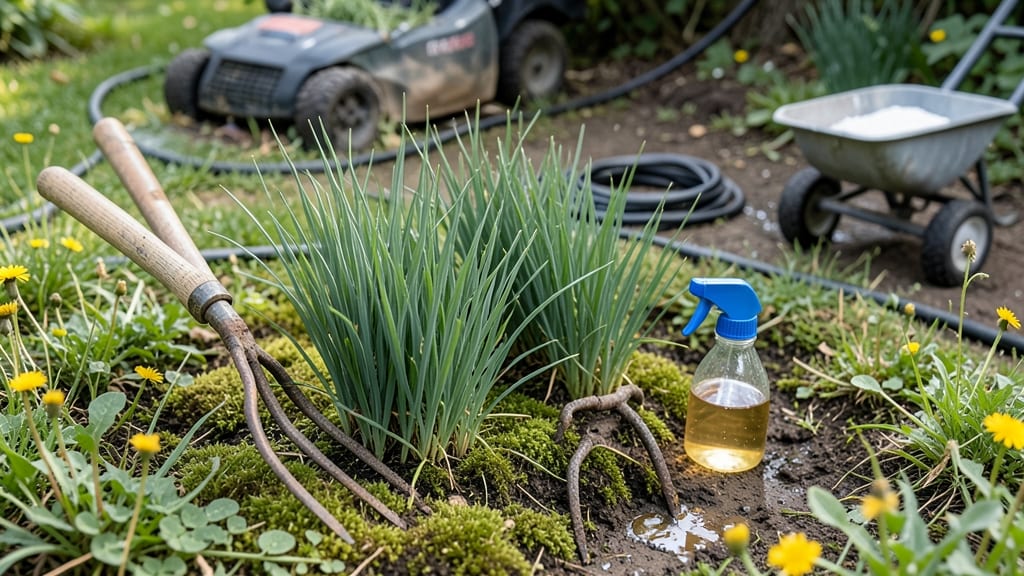
Your lawn’s moss removal in lawns disappears in hours—not months—with this natural vinegar solution that actually works. 🌱 I’ve battled moss for years, and after trying every chemical spray that promised results, I finally found a method that restores grass without harming the soil or my wallet.
The secret lies in a simple mix of vinegar, dish soap, and water—no fancy equipment needed. You’ll spray, wait, and then rake away the dead moss, leaving behind healthy grass ready to thrive.
Most solutions take weeks to show results; this one gives you visible improvement in just a few hours. What you’ll end up with is a lawn that looks lush and green, not patchy and brown.
The vinegar kills moss without damaging grass roots, and the dish soap helps break down the moss’s waxy coating for faster results. Plus, it’s 100% organic—no harsh chemicals to worry about.
This method works best in fall or spring when moss is active, and it’s perfect for homeowners tired of chemical-heavy solutions. Ready to transform that spongy lawn into something vibrant? Let’s get started!
Root Causes Of Lawn Moss
Moss thrives in lawns not because it’s aggressive, but because it’s opportunistic—it takes advantage of conditions where grass struggles. Understanding the why behind moss growth is the first step to reclaiming a lush, green lawn. Below, we break down the key factors that turn your yard into a moss-friendly paradise.
Moss loves moisture, but it doesn’t just need dampness—it thrives in waterlogged conditions where grass roots suffocate. Here’s why poor drainage is moss’s best friend:
- Compacted Soil 🏗️: Heavy foot traffic, machinery, or clay-heavy soil compresses the ground, preventing water from draining.
Moss spores land on this dense surface and germinate because the soil stays perpetually wet. - Low-Grade Slopes 📉: Lawns on gentle inclines or flat areas pool water after rain, creating ideal moss habitats.
Unlike grass, moss doesn’t need deep roots—it spreads across the surface where water lingers. - Clay Soil Composition 🪨: Clay holds water like a sponge, starving grass roots of oxygen. Moss, with its shallow, mat-like structure, outcompetes grass in these anaerobic (low-oxygen) zones.
Actionable Insight: Test your soil’s drainage by digging a 6-inch hole and filling it with water. If it drains in less than 4 hours, you’re at moderate risk; if it takes longer than 6 hours, moss has a prime real estate sign waiting for it.
Grass is a sun-worshipper—it needs 4–6 hours of direct sunlight daily to photosynthesize and grow. Moss, on the other hand, is a low-light specialist that thrives in:
- Tree Canopies 🌳: Large trees block sunlight, casting deep shade where grass weakens.
Moss spores, carried by wind or animals, land on the bare soil and take hold. - North-Facing Lawns 🧭: In the Northern Hemisphere, north-facing slopes receive the least sunlight year-round, creating a perpetual moss-friendly zone. - Structural Shade 🏠: Fences, walls, and buildings create microclimates where sunlight never reaches.
Moss spreads here because grass simply can’t survive.
Science Note: Moss has no chlorophyll in its stems or leaves—it relies on thin, flat structures to maximize light absorption. Grass, with its upright blades, can’t compete in these dim conditions.
The pH of your soil plays a critical role in determining whether moss or grass dominates. Here’s the breakdown:
| Soil pH | Grass Health | Moss Growth | Why? |
|---|---|---|---|
| Below 6.0 (Acidic) | Struggles; roots weaken | Thrives; ideal conditions | Moss prefers acidic environments, while most grass species (like Kentucky bluegrass or fescue) need pH 6.0–7.5. |
| 6.0–7.0 (Slightly Acidic to Neutral) | Optimal growth | Moderate spread | A balanced pH gives grass a fighting chance, but moss still exploits compacted or shady spots. |
| Above 7.5 (Alkaline) | Can struggle (e.g., bentgrass) | Rare | Alkaline soil discourages moss, but grass may also face challenges if not the right species. |
Pro Tip: Test your soil’s pH with a DIY kit (available at garden centers). If it’s below 6.0, lime (calcium carbonate) can raise it—but do this gradually to avoid shocking grass roots.
Moss doesn’t just appear out of nowhere—it outcompetes weak or sparse grass for space and nutrients. Common scenarios where grass loses the battle:
- Thin or Dead Grass Patches 💀: Bare spots (from disease, drought, or pet urine) leave exposed soil where moss spores land and establish colonies. - Over-Fertilization 🧪: Too much nitrogen can burn grass roots, creating gaps.
Moss fills these voids because it doesn’t need rich soil—just moisture and shade. - Under-Fertilization 🍃: Grass starved of nutrients grows slowly, leaving room for moss to spread unchecked. Unlike grass, moss doesn’t require nitrogen to thrive.
Key Stat: Moss can double its surface area in just 3–4 weeks under ideal conditions, while grass may take months to recover from stress.
Moss isn’t just a year-round nuisance—it peaks at specific times when conditions align perfectly:
- Fall & Winter 🍂: Cooler temperatures and increased rainfall create ideal germination conditions for moss spores. Grass growth slows, giving moss an edge. - Spring 🌱: If winter was wet, moss gets a head start before grass recovers.
It forms dense mats that smother new grass shoots. - Drought Followed by Rain ☔: A dry spell weakens grass, and sudden heavy rain washes away nutrients, leaving moss to dominate the suddenly damp soil.
Seasonal Strategy: Fall is the best time to treat moss—it’s actively growing but grass is dormant, making it easier to target without harming your lawn’s recovery.
Fixing Your Lawn’s Moss Problem
Got a lawn overrun with moss? Don’t worry—this soft, green intruder is fixable with the right approach. The key is addressing the root cause (literally!) while restoring your grass’s health. Below, we break down practical solutions tailored to common causes, from quick fixes to long-term prevention.
Moss thrives where grass struggles—think dense shade, poor drainage, or compacted soil. If your lawn is mostly in the dark, it’s time to invite the sun back in.
🔥 Quick Fix: Thin Out Thick Canopy
- 🌳 Trim or remove overhanging branches to let sunlight reach the ground.
- 🪓 Prune tall trees or shrubs blocking light (even just a few inches makes a difference).
- 🪴 Consider selective removal of the shadiest trees if moss persists—some species (like pines) cast deep shade.
🌡️ Long-Term Solution: Improve Grass Health
- 💡 Choose shade-tolerant grass seeds (e.g., fine fescue or creeping red fescue) for problem areas.
- ✨ Overseed bare spots in early fall when conditions are ideal for grass growth.
- 🌱 Aerate compacted soil to help roots access nutrients and water.
Moss loves dampness—whether from poor drainage, heavy rainfall, or waterlogged soil. If your lawn stays soggy, moss will keep coming back.
🔧 Fix Drainage Issues
- 🏗️ Install a French drain or swales (shallow trenches) to redirect water away from low spots.
- 🪓 Core aerate to break up compacted soil and improve water absorption.
- 🌱 Add organic matter (compost or peat moss) to help soil absorb and release moisture better.
🌡️ Adjust Watering Habits
- ⏰ Water deeply but less frequently—moss hates dry spells. Aim for 1–1.5 inches per week (including rain).
- 🌞 Water in the morning to reduce evening dampness that moss loves.
- 🚫 Avoid overwatering—soggy lawns are moss magnets.
Heavy foot traffic, pets, or machinery can compress soil, preventing grass roots from thriving and leaving moss to take over.
🔥 Immediate Relief: Aeration
- 👨🍳 Rent a core aerator (or hire a pro) to pull out small soil plugs, relieving compaction.
- 🌱 Top-dress with compost after aerating to feed roots and improve structure.
🌡️ Prevent Future Compaction
- 🚫 Limit heavy foot traffic on wet lawns—wait until soil is dry to walk or play.
- 🐕 Keep pets off problem areas or use mulch mats in high-traffic zones.
- 🌱 Plant clover or moss-resistant ground covers in heavily used spots.
Moss prefers acidic conditions (pH 4.5–5.5), while most grasses thrive at 6.0–7.0. A simple soil test can reveal if pH is the culprit.
🔧 Raise pH Naturally
- 🧂 Sprinkle garden lime (calcium carbonate) in early fall—follow package rates for your soil type.
- 🌱 Mix in wood ash (sparingly!) for a quick pH boost (test first—too much can harm soil).
- 🌱 Avoid peat moss—it lowers pH further and feeds moss.
💡 Pro Tip:
Test your soil every 2–3 years—pH changes over time, especially in rainy climates.
Weak grass can’t compete with moss. If your lawn is thin or nutrient-starved, it’s time to give it a boost.
🌱 Fertilize Smartly
- 💪 Use a slow-release, nitrogen-rich fertilizer (like 20-5-10) in early fall.
- 🌿 Avoid high-phosphorus fertilizers—they encourage weeds and moss.
- 🌱 Top-dress with compost to improve soil structure and microbial activity.
🔪 Mow High & Leave Clippings
- ✂️ Set your mower to 3–4 inches—taller grass shades out moss and develops deeper roots.
- 🌱 Leave grass clippings (they return nutrients to the soil).
For a fast, natural kill, mix:
- 1 gallon white vinegar (5% acetic acid)
- 1 oz. dish soap (as a surfactant)
- Spray on a dry, sunny day—vinegar burns moss on contact.
- Reapply in 1–2 weeks for stubborn patches.
⚠️ Warning: Vinegar also kills grass—use it only on bare moss spots, not healthy turf.
Once you’ve tackled the cause, stop moss from returning with these habits:
- 🌞 Encourage sunlight—prune trees and thin dense foliage.
- 💧 Water wisely—deep and infrequent beats constant dampness.
- 🌱 Overseed bare spots in fall with moss-resistant grass.
- 🪓 Aerate annually if your lawn is high-traffic.
- 🧂 Test soil pH and adjust with lime if needed.
| Problem | Quick Fix | Long-Term Solution |
|---|---|---|
| Shade | Trim branches | Plant sun-loving grass |
| Poor Drainage | Aerate + compost | Install drainage system |
| Compacted Soil | Core aeration | Reduce foot traffic |
| Acidic Soil | Sprinkle lime | Test pH yearly |
| Weak Grass | Fertilize + overseed | Mow high, leave clippings |
Remember: Moss removal is a process, not a one-time fix. Stay consistent with sunlight, soil health, and grass care, and you’ll reclaim your lawn—without the green invader**. 🚀
Frequently asked questions
Can I use vinegar for moss removal on my entire lawn?
No, vinegar should only be used on bare moss patches—never on healthy grass. The acetic acid in vinegar kills both moss and grass. For a full lawn, spot-treat moss areas first, then restore grass health through overseeding and proper care. The vinegar solution works best as a targeted treatment.
How often should I check my lawn for moss after treatment?
Check your lawn every 4–6 weeks during growing seasons (spring/fall). Moss can return quickly if conditions (shade, moisture, or compaction) aren’t addressed. After initial removal, focus on preventing regrowth by improving drainage, sunlight exposure, and soil health.
Will moss come back if I don’t fix drainage issues?
Absolutely—moss thrives in waterlogged conditions. If drainage problems persist, moss will return within 6–12 months. Fixing poor drainage (through aeration, swales, or French drains) is the most critical step for long-term prevention. Without proper water flow, grass roots suffocate, leaving moss to dominate.
Can I use iron sulfate for moss removal instead of vinegar?
Yes, iron sulfate is a chemical-free alternative that turns moss black (killing it) while fertilizing grass. Mix 20 lbs per 1,000 sq ft and apply when moss is actively growing. It’s safer than vinegar for larger areas but may stain sidewalks. Iron sulfate works best in acidic soils (pH <6.0).
Why does moss grow in sunny areas of my lawn?
Moss in sunny spots usually indicates compacted soil or poor nutrition. Grass needs 4–6 hours of sunlight, but if soil is hard or nutrient-deficient, grass weakens, leaving room for moss. Test soil pH and aerate to improve conditions. Moss in sunny areas often signals deeper lawn health issues.