
Planting
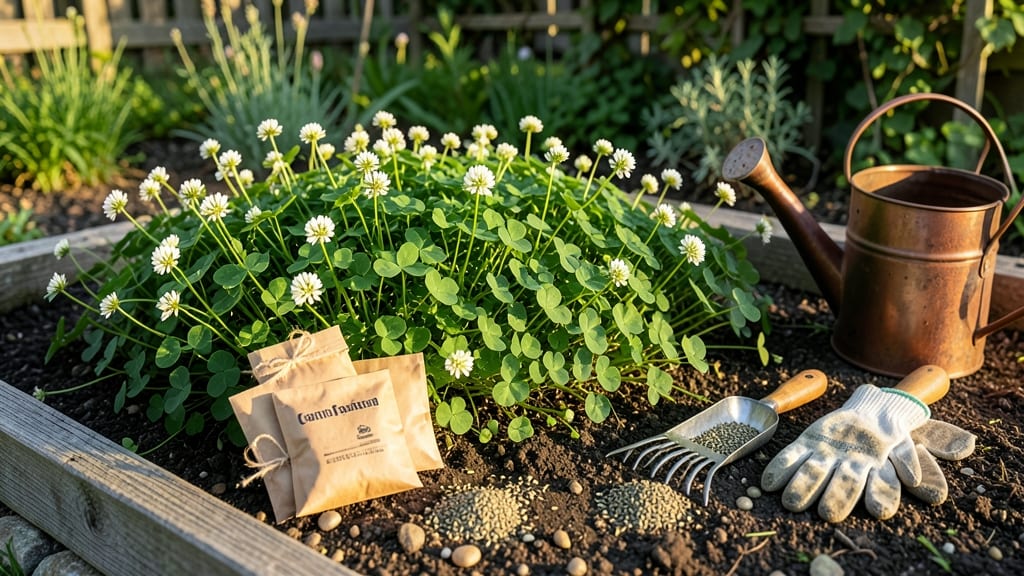
Planting clover in your lawn at the right time ensures a thick, nitrogen-rich ground cover that thrives year-round 🌱 — and the best windows are early spring or early fall, depending on your climate zone.
Struggling to decide when to plant clover in your lawn? Timing makes all the difference between a lush, nitrogen-rich ground cover and a failed patch of weeds. The right planting window ensures strong root establishment and year-round benefits.
In USDA Zone 6a, like many northern regions, the ideal months are March or April for spring planting, right after the last frost date, or September or October for fall. Soil temperatures should be between 45°F and 75°F for optimal germination.
Below, I’ll break down the exact timing for your zone, how to prepare your lawn, and the key differences between white and red clover planting seasons to help you get it right the first time.
Best months to plant clover by u.s. climate zone
Planting clover at the right time ensures your lawn gets the nitrogen-rich ground cover you want, not a failed experiment. The best window depends on your USDA climate zone and whether you're planting white clover (cool-season) or red/alsike clover (warm-season).
Cool-season varieties thrive in early spring or fall, while warm-season types prefer late spring to early summer.
In USDA zones 3-5, where winters are harsh, focus on late April to early June or September for cool-season clover. Warmer zones like 6-10 can extend planting into early fall or even late winter in mild regions.
The key is avoiding extreme heat or frost, which stress young seedlings.
Here’s your zone-by-zone planting guide for both clover types, including early and late windows for optimal germination:
| USDA Zone | Cool-Season Clover (White) | Warm-Season Clover (Red/Alsike) | Soil Temp for Germination |
|---|---|---|---|
| 3-5 | Late April–Early June September |
June–Early July | 45–65°F |
| 6-7 | March–April September–October |
May–June | 50–68°F |
| 8-9 | February–March September–October |
April–May | 55–70°F |
| 10 | January–February September–October |
March–April | 60–75°F |
⚠️ Pro Tip: Test soil temperature with a soil thermometer—clover seeds need consistent temps above 45°F to sprout.
For white clover, I recommend planting in early spring (just after the last frost) or early fall (6–8 weeks before the first frost). This gives seedlings enough time to establish roots before winter dormancy.
In zones 3-5, avoid planting in late summer—the heat can dry out seeds before they germinate.
If you’re planting red or alsike clover, wait until late spring (after soil temps hit 60°F+) to avoid fungal diseases that thrive in cool, wet conditions.
In southern zones (8-10), you can even plant in early fall for a winter-green lawn, but prioritize spring planting for best results.
One common mistake I see is planting clover in mid-summer. The intense heat and drought stress young plants, leading to poor establishment. Instead, aim for morning shade and daily watering (1 inch per week) if you must plant outside the ideal windows.
Mulch lightly with straw to retain moisture and protect seeds from drying out.
In cooler climates (zones 3-6), I’ve had the most success with a two-phase approach: plant white clover in early spring for summer coverage, then overseed with red clover in late summer to fill gaps.
This creates a year-round nitrogen cycle for your lawn. Just remember to mow white clover at 2–3 inches to encourage dense growth.
For warm-season zones (7-10), focus on spring planting and let the clover establish before summer’s peak heat. If you’re in a transition zone (6-7), consider microclimatesfall planting to avoid heat stress. Always check your local frost dates and adjust timing accordingly.
Finally, prepare your lawn by aerating 2–3 days before planting to improve seed-to-soil contact. Rake away debris and loosen the top 1/4 inch of soil for better germination. With the right timing and prep, your clover will thrive and outcompete weeds naturally.
How soil temperature and weather affect clover germination
Clover thrives when planted in the right conditions, but getting the soil temperature and weather patterns wrong can stall germination. Unlike aggressive weeds, clover needs precise timing to establish strong roots before summer heat or winter frost sets in.
I’ve learned the hard way—planting too early in cold soil or too late in dry heat leads to sparse, weak patches.
For successful germination, aim for soil temperatures between 45°F and 75°F. This range ensures seeds sprout consistently without stress.
Cool-season clovers like white clover prefer the lower end (45-60°F), while warm-season varieties such as red clover tolerate up to 75°F. Checking your local frost dates helps narrow down the best window—typically 4-6 weeks after the last frost in spring or 6-8 weeks before the first frost in fall.
⚠️ callout warning
⚠️ Avoid These Planting Mistakes
Planting clover when soil temps are below 45°F or above 75°F delays germination by weeks. Dry soil causes seeds to dry out before sprouting, while overly wet conditions can rot them. Test soil moisture by squeezing a handful—it should hold shape but not be soggy.
Moisture is just as critical as temperature. Clover seeds need consistent moisture to germinate, but they’ll drown if waterlogged. After sowing, keep the top inch of soil evenly moist—water lightly every 2-3 days until seedlings appear (usually within 7-14 days).
Mulching with straw helps retain moisture and regulate soil temperature, especially in hot climates.
Before planting, test your lawn’s drainage. Poor drainage leads to compacted soil and root rot, two enemies of clover. Dig a small hole, fill it with water, and time how long it takes to drain.
If water lingers beyond 6 hours, amend the soil with compost or sand to improve aeration. A quick soil pH test is also wise—clover prefers a slightly acidic to neutral range (6.0-7.0 pH).
Weather patterns play a sneaky role too. Planting during prolonged dry spells or heavy rain forecasts can sabotage your efforts. Check the 10-day forecast for stable conditions: warm days (60-75°F) and cool nights (50-60°F) are ideal.
If rain is scarce, use a gentle sprinkler to mimic natural showers until seedlings are 2 inches tall.
Once established, clover is drought-tolerant, but young plants need protection. If your area experiences late spring frosts or early fall heatwaves, consider using a light row cover or shade cloth until the plants harden off.
I’ve seen clover patches thrive in tough conditions, but only when given the right start—warm soil, steady moisture, and patient care.