
Fertilization
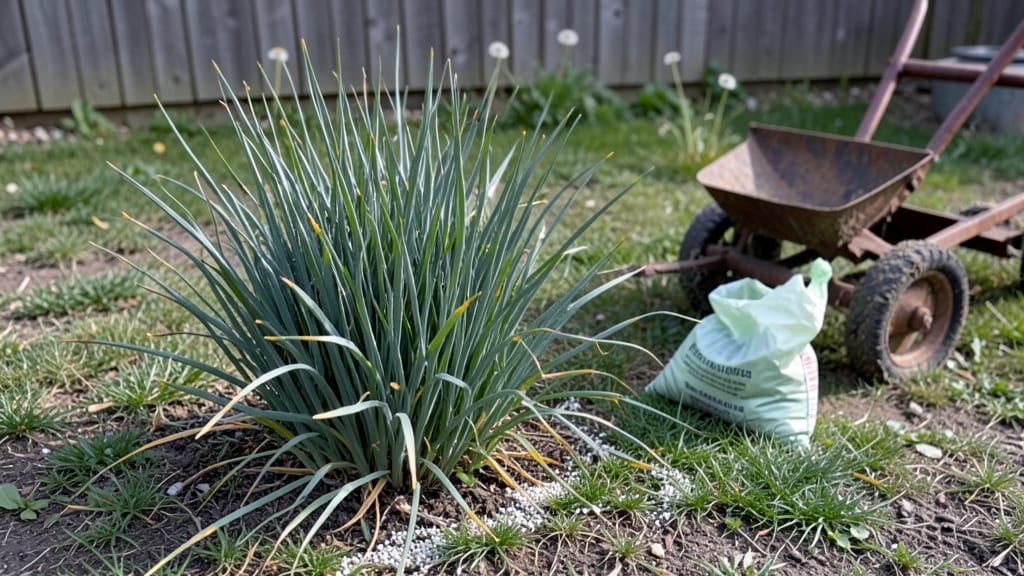
To fertilize fescue grass, time it in early spring (March–April) for root development, late spring (May–June) for top growth, and fall (September–October) to harden roots before winter. Always use a slow-release, high-nitrogen formula and adjust based on soil tests.
Fescue thrives when fertilized at key growth stages—spring kickstarts root expansion when soil warms, while late spring fuels lush blades as daylight peaks. 🌱 Fall applications help grass store nutrients for winter survival, especially in colder climates.
I’ve seen firsthand how skipping one of these windows leads to patchy growth or weak recovery after droughts. Soil tests are non-negotiable: they reveal if your lawn craves more nitrogen, phosphorus, or micronutrients, preventing waste and runoff.
For best results, pair fertilization with proper watering—deep soakings after application help nutrients reach roots. A slow-release formula spreads nutrients evenly over weeks, reducing burn risk. Pro tip: Mark your calendar now! Missing a window means missed opportunities for that vibrant green lawn you’re dreaming of.
💡 In This Article
- Fescue Grass Fertilization by Seasonal Growth Cycles
- Choosing the Right Fescue Fertilizer and Application Tips
Fescue grass fertilization by seasonal growth cycles
Here's what's actually happening beneath your lawn during each fertilization window: fescue grass follows a natural growth rhythm tied to temperature and daylight. In early spring, when soil temperatures rise to 50-55°F, fescue's roots begin their most active growth phase.
This is when they absorb nutrients to establish a deep, resilient network—critical for drought resistance. The grass itself stays mostly dormant above ground, conserving energy until warmer air arrives.
What most people don't realize is that this root development happens before you see visible top growth, making early spring the perfect time to feed the foundation.
The late spring boost (May-June) aligns perfectly with fescue's above-ground growth surge when daylight stretches to 14-16 hours and soil temperatures hit 60-65°F. At this stage, the grass is photosynthesizing at peak capacity, converting sunlight into energy to fuel leaf and blade expansion.
The high-nitrogen fertilizer you apply now gets directed straight into this growth engine—think of it like giving your lawn a high-octane fuel injection. This is why you'll see that vibrant green color develop within weeks, as chlorophyll production ramps up dramatically during these long summer days.
Fall fertilization works like a survival prep kit for your grass. As daylight shortens and temperatures drop below 60°F, fescue shifts into "winterizing mode," storing carbohydrates in its roots to sustain itself through dormancy.
Applying fertilizer in September-October gives these roots the nutrients they need to build up these energy reserves. The key here is timing—too early and you'll encourage late-season growth that weakens before winter; too late and the grass won't have time to process the nutrients before dormancy sets in.
This is why late September is often the sweet spot in most climates.
Temperature plays a surprising role in nutrient absorption efficiency. Fescue absorbs nutrients most effectively when soil temps are between 55-75°F—cooler than you might expect. Below 50°F, microbial activity slows dramatically, reducing nutrient availability. Above 80°F, the grass can actually "burn" from fertilizer salts, causing brown patches.
This is why fall applications work so well—the cooler temperatures mean nutrients are used gradually over weeks rather than all at once, preventing waste and environmental runoff.
What most gardeners overlook is how dormancy affects nutrient needs. During winter, fescue's metabolic rate drops by 70-80%, but it's still actively maintaining its root system. That fall fertilization creates a nutrient bank that gets slowly released as the grass awakens in spring.
I've seen lawns that received proper fall feeding recover from winter brownout 3-4 weeks earlier than those that didn't—it's like giving your grass a head start on the growing season.
Consider these seasonal factors when planning your fertilization schedule:
- Early Spring: Focus on root development when soil temps reach 50°F and stay above 45°F for 7+ days
- Late Spring: Time applications for when daytime highs consistently exceed 65°F
- Fall: Aim for 6-8 weeks before your area's first hard frost date
The science behind this seasonal timing reveals why guessing won't work—it's all about matching your fertilization with the grass's natural biological cycles. When you align these windows correctly, you're not just feeding your lawn; you're working with its inherent growth patterns to create a stronger, more resilient turf. 🌱