
Lawn
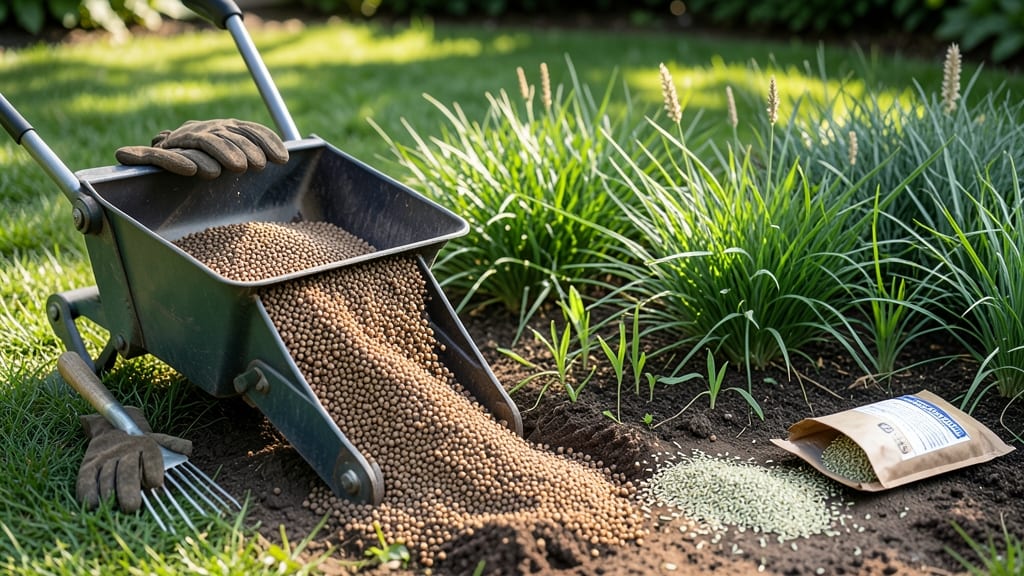
Fertilizing and seeding your lawn at the right time is the key to a thick, green carpet that stays healthy all year.
Picture this: you’ve just spread fresh 🌱 lawn grass seeds, only for the summer heat to bake them into the soil before they can sprout. Or you fertilize too late in the season, leaving your lawn weak and vulnerable to weeds.
Timing isn’t just about when—it’s about how the weather, soil, and grass type work together.
In Zone 6a, early spring and fall are your best bets for seeding, while fertilization should happen in March, April, August, or September to align with your grass’s natural growth cycles.
But regional differences and grass varieties mean one schedule doesn’t fit all—cool-season grasses thrive in spring, while warm-season types need summer attention.
Below, I’ll break down the exact windows for fertilizing and seeding, plus how to adjust for drought, traffic, or overseeding. No more guesswork—just a lawn that looks like it belongs in a postcard.
Best seasons to fertilize your lawn for maximum growth
Timing is everything when it comes to lawn fertilization. Applying fertilizer at the wrong time can stress your grass, attract pests, or even burn your lawn. The key is understanding your climate zone and matching fertilization with your grass's natural growth cycles.
For most regions, the ideal windows are early spring, late summer, and fall—but the exact timing varies depending on whether you have cool-season or warm-season grass.
Cool-season grasses like Kentucky bluegrass and fescue thrive in temperatures between 60°F and 75°F, while warm-season grasses such as Bermuda and Zoysia prefer 80°F to 95°F. Fertilizing outside these ranges can shock your grass or encourage weak growth.
Let’s break down the best times to feed your lawn based on your climate and grass type.
Soil temperature is your best indicator—most grasses need soil temps between 55°F and 75°F for optimal nutrient uptake. Use a soil thermometer to check before applying fertilizer. In cooler climates, aim for early spring (March-April) and fall (September-October), while warmer zones should focus on late spring (May-June) and early fall (August-September).
Here’s a quick reference for your fertilization schedule, tailored to your region and grass type:
For cool-season grasses, the fall fertilization is critical—it strengthens roots before winter dormancy. Apply a slow-release fertilizer with a 24-0-6 ratio (high potassium) in late September or early October.
This timing helps your lawn recover quickly in spring. In warm-season zones, focus on late spring to early summer for vigorous growth before the heat sets in.
If you’re in a transition zone (like parts of the Midwest or Southeast), you may need to adjust. For example, Tennessee or Virginia might see success with a split application—one in early spring and another in late summer.
Always check local USDA Plant Hardiness Zone maps to refine your schedule. Over-fertilizing in summer can lead to brown patch disease or fungal growth, so err on the side of caution.
Don’t forget to water deeply after fertilizing—this helps nutrients penetrate the soil. Aim for 1 inch of water within 24 hours of application. Early morning is the best time to fertilize, as it reduces the risk of fertilizer burn from afternoon heat. For high-traffic lawns
Optimal seed lawn timing by region and grass type
Choosing the right time to seed your lawn depends on your grass type and climate zone. Cool-season grasses like Kentucky bluegrass and fescue thrive in spring and fall, while warm-season types such as Bermuda and Zoysia need late spring to early summer planting.
Timing isn't just about the calendar—soil temperature and moisture play critical roles in germination success.
For new lawns, seeding at the right time ensures strong root development before extreme weather hits. Overseeding established lawns, however, requires a different approach—focus on filling thin spots without overwhelming existing grass. Drought-prone areas need extra attention to watering schedules and shade-tolerant varieties to survive hot, dry spells.
| Grass Type | Best Planting Months | Soil Temp (°F) | Watering Needs | Notes |
|---|---|---|---|---|
| Cool-Season (Kentucky Bluegrass, Fescue) | March-April, August-September | 50-65°F | 1 inch/week, keep moist | Ideal for northern climates; overseed in fall |
| Warm-Season (Bermuda, Zoysia) | May-June | 65-75°F | Deep watering 2-3x/week | Best for southern climates; drought-tolerant |
| Drought-Tolerant (Buffalo Grass) | April-May | 55-70°F | 1 inch every 10-14 days | Low-maintenance; thrives in arid regions |
If you're planting a new lawn, aim for late spring for warm-season grasses or early fall for cool-season types. These windows align with soil temperatures that encourage rapid germination and root growth.
For overseeding, focus on late summer to early fall—this gives new seeds time to establish before winter dormancy sets in.
In drought-prone areas, opt for deep-rooted varieties like tall fescue or buffalo grass. These types require less frequent watering and handle dry spells better. Always water deeply in the morning to reduce evaporation and fungal risks.
A light mulch of compost can also help retain moisture during critical growth stages.
After seeding, maintain consistent moisture for 4-6 weeks—this is non-negotiable for successful germination. Use a sprinkler with fine mist to avoid displacing seeds. Once seedlings reach 2-3 inches, gradually reduce watering but keep the soil from drying out completely.
Fertilize lightly with a starter blend to give young grass the nutrients it needs to thrive.
Don’t forget to adjust your schedule based on local frost dates. In USDA Zone 5, for example, cool-season grasses should be seeded by mid-September to avoid winter kill.
Use your local cooperative extension service for precise planting windows tailored to your area. With the right timing, your lawn will establish quickly and stay lush year-round.