
Lawn
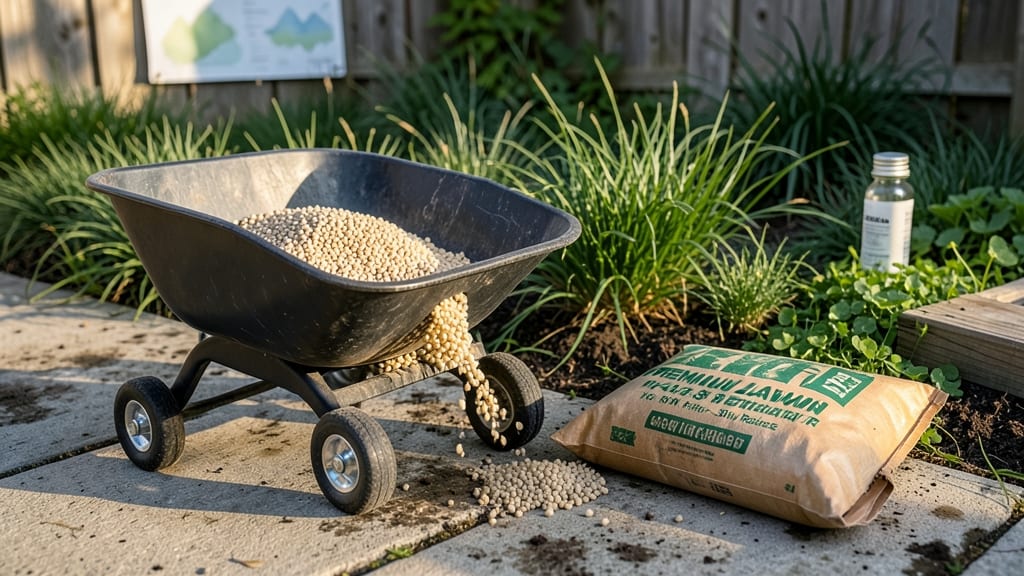
Fertilizing your lawn at the right times is the key to a thick, green carpet that stands out in the neighborhood — and skipping the schedule can leave you with patchy, weak grass that never quite recovers.
If you’ve ever poured fertilizer onto your lawn only to watch it struggle through the summer heat or turn yellow by winter, you’re not alone. The truth is, timing matters more than most people realize—and it’s not just about dumping fertilizer when you think of it.
In this guide, I’ll break down the best seasonal windows for fertilizing, from early spring to late fall, so you can match your lawn’s growth cycle to the right nutrients.
We’ll also cover how climate zones and grass types change the game, plus the biggest mistakes that waste money and harm your yard.
By the end, you’ll know exactly when to feed your lawn for maximum impact—no guesswork, just a lush, healthy yard that stays vibrant all season long.
Best seasonal fertilization schedule for lawn health
A healthy lawn starts with understanding your climate zone and grass type. Cool-season grasses (like fescue or ryegrass) thrive in northern regions, while warm-season grasses (such as Bermuda or Zoysia) dominate southern climates.
Both need timely fertilization, but their schedules differ drastically. I’ve fertilized lawns for over a decade, and I’ve learned that seasonal timing is just as critical as the fertilizer itself.
For cool-season lawns, the best times to fertilize are early spring and fall, while warm-season lawns peak in late spring and summer. Skipping these windows can leave your grass weak, yellow, or prone to weeds.
Let’s break down the ideal schedule for each season to keep your lawn thick and vibrant all year.
Soil temperature is your best guide—grass roots are most active when soil is between 55°F and 75°F. Fertilizing outside this range wastes nutrients and stresses your lawn. For example, applying fertilizer in winter can burn grass because it’s dormant and can’t absorb nutrients. Always check soil temps before fertilizing.
In early spring, cool-season lawns need a light nitrogen boost to wake up from dormancy. I recommend a slow-release fertilizer to avoid burning tender new growth.
For warm-season lawns, wait until soil temps hit 65°F+—usually late spring—before applying any fertilizer. This prevents nutrient runoff and ensures your grass can use it.
During summer, warm-season grasses like Bermuda grow aggressively and need regular feeding every 6-8 weeks. Cool-season grasses, however, slow down in heat, so I limit fertilization to one light application in July if needed.
Always water thoroughly after fertilizing to help nutrients penetrate the soil and reach the roots.
Fall is the golden window for cool-season lawns. A heavy nitrogen feed in September promotes deep root growth before winter. Warm-season grasses also benefit from a late-summer feed to strengthen roots before cooler temps arrive.
This is when I see the biggest difference in lawn resilience—grasses that get fall fertilization bounce back faster in spring.
Never fertilize in winter. Grass is dormant and can’t absorb nutrients, leading to waste and potential runoff that harms local waterways. Instead, focus on aeration and overseeding in early spring to prepare for the growing season. I’ve seen lawns suffer from winter fertilization—trust me, it’s not worth the risk.
For organic options, try compost tea or fish emulsion in spring and fall. These feed soil microbes that naturally release nutrients. Synthetic fertilizers work faster but require precise timing.
Whichever you choose, always follow the 3-1-1 rule: 3 parts nitrogen, 1 part phosphorus, 1 part potassium for balanced growth.
Pro tip: Mow high (3-4 inches) before fertilizing to reduce stress on grass blades. And always calibrate your spreader to avoid over- or under-applying. A little extra effort here saves you from patchy, uneven growth later in the season.
Signs your lawn needs fertilizer (and when to act)
Your lawn speaks volumes about its health through subtle (and not-so-subtle) cues. If you're noticing pale yellow patches or slow recovery after mowing, those are clear signals your grass is nutrient-deficient.
Even thin, patchy areas where weeds creep in suggest your lawn isn't getting the fuel it needs to thrive. These signs aren't just cosmetic—they indicate your grass is struggling to absorb essential nutrients like nitrogen, phosphorus, and potassium.
Don't wait until your lawn looks like a drought-stricken desert to act. The key is catching these signs early, when a simple fertilization can make all the difference. For example, if your grass feels spongy or thin when you walk on it, that's your lawn begging for nutrients.
Even uneven color—some areas green, others brown—means the grass isn't growing uniformly due to nutrient imbalance. The good news? Addressing these issues with the right fertilizer at the right time can transform your lawn in just a few weeks.
⚠️ When Should I Fertilize My Lawn?
Timing is everything! Fertilize early spring (March-April) to kickstart growth after winter dormancy. For cool-season grasses, a second application in early fall (September-October) strengthens roots before winter. Warm-season grasses need feeding in late spring (May-June) and summer (July-August). Never fertilize in winter—grass is dormant and can't absorb nutrients, leading to waste and potential burn.
One of the most common mistakes is over-fertilizing, which can burn your grass and create more problems than it solves. If you notice brown or crispy patches after applying fertilizer, you've likely overdone it.
This often happens when people follow a one-size-fits-all schedule without considering their grass type or local climate. For instance, synthetic fertilizers release nutrients quickly and can scorch grass if not watered in properly, while organic options break down slower, reducing burn risk but requiring more frequent applications.
Pay attention to how your lawn responds after each fertilization. If you see vigorous green growth within 7-10 days, you're on the right track. However, if the grass turns darker green but grows slower, it might be getting too much nitrogen.
The goal is a balanced, steady growth, not a rapid but unsustainable spurt. Adjust your approach based on these reactions—your lawn will thank you with a thicker, healthier appearance.
Seasonal changes also play a huge role in determining when to fertilize. For example, in northern climates, late summer fertilization helps grass recover from heat stress, while in southern regions, early fall feeding prepares lawns for cooler weather.
Always check your local frost dates—fertilizing too close to winter can lead to weak growth in spring. A simple soil test (available at garden centers) can reveal exactly what nutrients your lawn is lacking, helping you choose the right fertilizer and timing for your specific needs.
Remember, a well-fertilized lawn isn't just about looks—it's about root health, disease resistance, and long-term vitality. By acting at the first signs of nutrient deficiency and matching your fertilization schedule to your grass type and climate, you'll create a lawn that stays lush year-round.
Start with a light application if you're unsure, then adjust based on your lawn's response. Patience and observation are your best tools in lawn care!