
Lawn
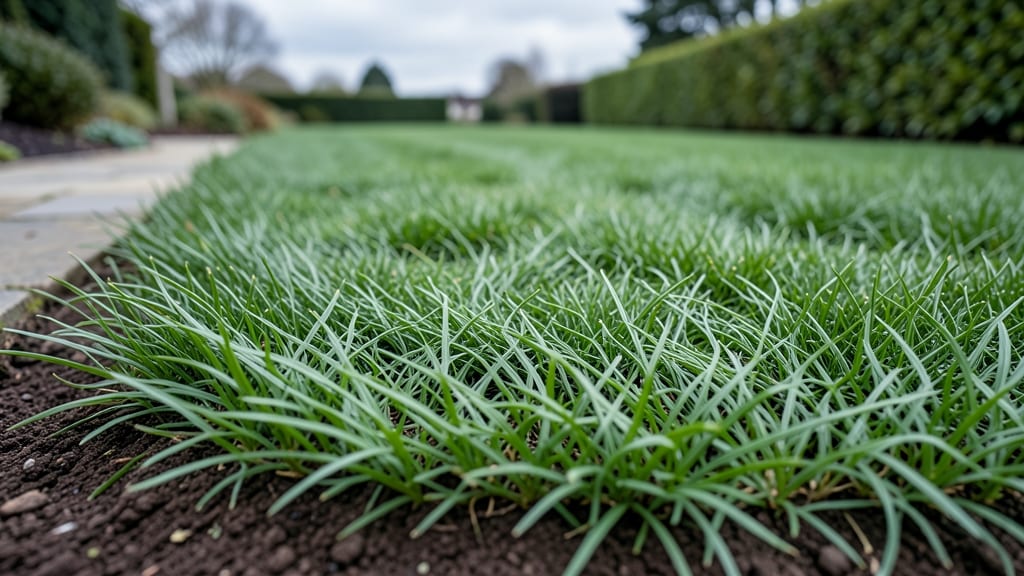
To fertilize your lawn at the right time means the difference between a vibrant green carpet and a patchy, struggling yard 🌱.
You’ve probably heard that spring and fall are the best times—but what if your climate zone throws off the schedule? Or if your grass type needs a different approach? Without the right timing, even the best fertilizer can backfire, leaving you with burnt patches or wasted money.
In this guide, I’ll break down the exact seasonal windows for fertilizing, when to skip it entirely, and how to adjust for your region. You’ll also learn the simple signs your lawn is begging for nutrients (and when it’s better to hold off).
By the end, you’ll have a clear, foolproof plan to feed your grass without overdoing it, saving time, money, and a lot of guesswork.
Best seasonal fertilizer schedule for lawn growth by climate zone
Timing your lawn fertilizer applications is just as important as choosing the right product. Grass grows differently depending on your climate zone, whether you have cool-season or warm-season grass, and even the time of year.
Miss the window, and you might end up with weak growth, weeds, or even lawn burn. Let’s break down the best fertilization schedule for your region to keep your lawn lush year-round.
Most lawns thrive with 3-4 fertilizer applications per year, but the timing shifts dramatically between Northern and Southern climates. For example, cool-season grasses like Kentucky bluegrass and fescue peak in spring and fall, while warm-season grasses such as Bermuda and Zoysia need feeding in late spring and summer.
Understanding these cycles ensures your grass gets nutrients when it needs them most.
Below is a climate-specific schedule that aligns with grass growth patterns. Whether you're in the Pacific Northwest, Deep South, or a transitional zone, these guidelines will help you fertilize at the right time for maximum green-up and root strength.
For cool-season grasses, the fall application is often the most critical. When temperatures drop below 80°F but stay above 50°F, grass shifts energy from leaf growth to root development.
A slow-release fertilizer applied in September or October helps roots thicken, making your lawn more resilient to winter stress and early spring drought.
In Southern climates, warm-season grasses like Bermuda grass go dormant in winter but need summer feeding to stay vibrant. The key is to fertilize when soil temperatures are consistently above 65°F.
A light application in June promotes green-up, while a heavier feed in August prepares grass for fall. Avoid fertilizing after September 1st to prevent late-season growth that weakens before winter.
If you’re in a transitional zone, like the Midwest or Southeast, you’ll need to blend both strategies. Start with a spring application in March to kickstart growth, then follow up in May and September.
For warm-season grasses, a light summer feed in June or July can help maintain color during heatwaves, but avoid overdoing it—too much nitrogen in summer can attract pests like chinch bugs.
One common mistake is fertilizing during drought or extreme heat. Grass struggles to absorb nutrients when stressed, leading to burnt patches or wasted fertilizer. Always check your soil moisture before applying—aim for 1 inch of water per week to ensure nutrients reach the roots.
Pairing fertilization with deep watering in the morning maximizes uptake and minimizes runoff.
Pro tip: Use a soil test every 2-3 years to check nutrient levels. If your soil is already rich in nitrogen, you might only need 2 applications per year instead of 4.
Adjust your schedule based on the results to avoid over-fertilizing, which can harm beneficial microbes and lead to weed infestations.
🌱
Signs your lawn needs fertilizer (and when to skip it)
Your lawn sends clear signals when it craves nutrients. Yellow patches or pale green blades often mean nitrogen deficiency, while thin, patchy areas suggest poor root development. These visual cues aren't just cosmetic—they indicate your grass is struggling to absorb essential nutrients from the soil.
Before reaching for fertilizer, though, rule out other issues like drought stress or disease, which mimic nutrient deficiencies but require different solutions.
Slow growth during peak season is another red flag. If your lawn grows less than ½ inch per week in spring or fall (ideal times for cool-season grasses), it's likely starving for nutrients.
Compare your lawn's growth rate to neighbors'—if yours lags significantly, fertilization may be needed. However, excessive weeds popping up after fertilization could signal over-application rather than a nutrient deficiency.
🌱
When to Fertilize Your Lawn
- Spring: Early March-May for new growth
- Summer: Light feed in June-July (avoid drought)
- Fall: September-October for root strengthening
- Winter: Skip—grass is dormant
✅ Do: Test soil first (pH 6.0-7.0 ideal)
❌ Avoid: Fertilizing before heavy rain or drought
Over-fertilization is just as damaging as under-fertilization. Look for burnt grass (brown, crispy patches) or dark green streaks—these are classic signs of fertilizer burn. If you notice excessive weeds after applying fertilizer, your lawn may be getting too much nitrogen, which encourages weed growth while weakening grass roots.
Always follow the 1 lb per 100 sqft guideline and water thoroughly after application to prevent burn.
Environmental factors often dictate whether fertilization is necessary. After heavy rainfall (over 1 inch), nutrients leach from the soil, making fertilization counterproductive. Similarly, if your soil test shows high nutrient levels, skip fertilizing—your lawn may already have enough.
In drought conditions, water deeply before fertilizing to avoid shocking the roots with nutrients while they're stressed.
Seasonal timing matters too. For cool-season grasses (like Kentucky bluegrass), fertilize in early spring and fall when temperatures are mild. Warm-season grasses (like Bermuda) thrive with fertilization in late spring and summer.
Ignoring these windows can lead to wasted fertilizer or uneven growth. Always check your grass type before applying—mixing schedules can harm your lawn.
When in doubt, conduct a simple DIY soil test (available at garden centers for under $20). This reveals nutrient levels and pH, helping you decide if fertilization is needed. If your lawn looks healthy but lacks vibrancy, a light application of slow-release fertilizer in the right season can work wonders.
But if the grass is already struggling, address watering or soil compaction first—these often resolve "nutrient deficiency" symptoms without chemicals.
🌿