
Lawn
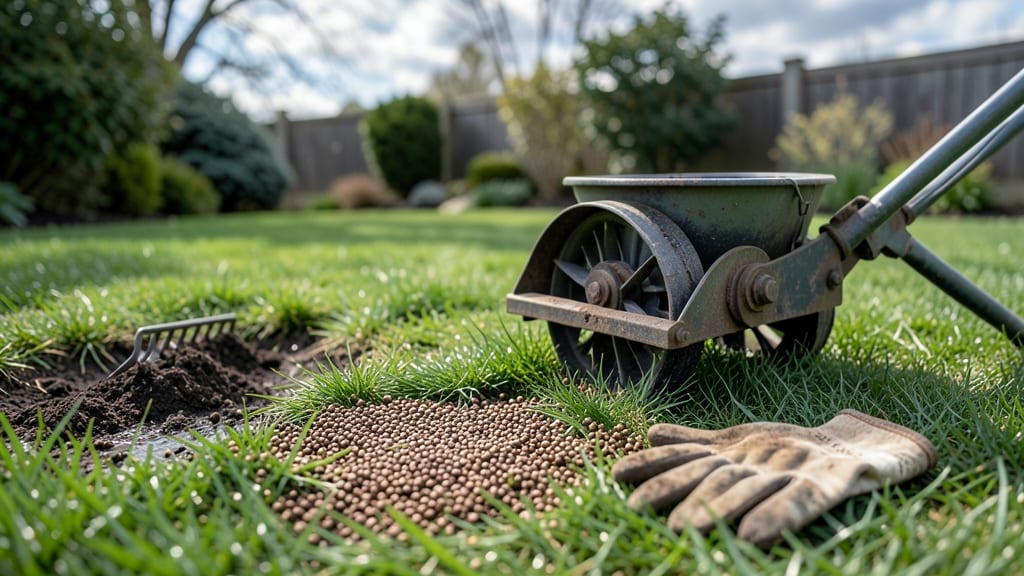
To fertilize your lawn at the right time means catching it when the grass is hungry—but not so much that you burn it or waste your money.
Struggling to keep your lawn vibrant year-round? Timing your lawn fertilization perfectly can mean the difference between patchy, weak grass and a lush, envy-inducing green carpet—without wasting money or harming your yard.
Most lawns need three key feedings per year: once in early spring, again in late summer, and a final boost in fall. But the exact schedule depends on your grass type—cool-season grasses like fescue and bluegrass wake up in spring, while warm-season types like Bermuda and Zoysia peak in summer.
Below, I’ll break down the best times to fertilize based on your climate zone, how to pick the right fertilizer for each season, and the simple steps to avoid overdoing it.
Best times to fertilize your lawn by season and climate zone
Timing your lawn fertilization is one of the most critical factors for a thick, vibrant lawn. Apply fertilizer when grass is actively growing—this ensures nutrients are absorbed efficiently. Cool-season grasses like fescue and bluegrass thrive in spring and fall, while warm-season grasses like Bermuda and Zoysia prefer late spring and summer.
Your climate zone also plays a role in adjusting these timelines.
In USDA Zones 3-6, where winters are colder, focus on early spring and fall feedings.
For Zones 7-10, with milder winters, summer fertilization becomes more critical. Soil temperature is your best guide—aim for 55-65°F for cool-season grasses or 65-75°F for warm-season types before applying fertilizer to avoid shocking the roots.
Here’s a quick reference to help you plan your fertilization schedule based on your grass type and climate:
| Season | Climate Zone | Grass Type | Optimal Time | Soil Temp | Notes |
|---|---|---|---|---|---|
| Spring | Zones 3-6 | Cool-season | Early April | 55-65°F | First feeding after dormancy |
| Spring | Zones 7-10 | Warm-season | Late May | 65-75°F | Encourages summer growth |
| Summer | Zones 3-6 | Cool-season | Skip or light feed | N/A | Avoid stressing grass |
| Summer | Zones 7-10 | Warm-season | June-July | 75-85°F | Peak growth phase |
| Fall | Zones 3-6 | Cool-season | Late August | 60-70°F | Strengthens roots |
| Fall | Zones 7-10 | Warm-season | September | 70-80°F | Prepares for dormancy |
In early spring, your lawn emerges from dormancy, making it the perfect time for a high-nitrogen feeding to jumpstart growth. Cool-season grasses in Zones 3-6
How to choose the right fertilizer for each feeding window
Choosing the right fertilizer for your lawn isn't just about picking up the first bag at the store—it's about matching your grass's seasonal needs with the perfect NPK ratio and release type.
Cool-season grasses like fescue or bluegrass thrive with high-nitrogen feeds in spring and fall, while warm-season grasses like Bermuda or Zoysia need a boost in late spring and summer. Let's break down how to align your fertilizer with each growth window.
Start by reading the NPK ratio on your fertilizer bag—those three numbers tell you the percentage of nitrogen (N), phosphorus (P), and potassium (K). For new lawns or patchy areas, look for a higher phosphorus number (like 5-10-5) to encourage root development.
Established lawns benefit from high-nitrogen fertilizers (like 24-0-12) for quick green-up, while slow-release options (like organic compost) provide steady nutrients over months.
Timing matters just as much as the type. In early spring, use a balanced fertilizer (like 10-10-10) to kickstart growth after winter dormancy. By late summer, switch to a low-nitrogen, high-potassium blend (like 5-5-10) to harden grass against winter.
Always apply fertilizer when your lawn is dry and water it in lightly afterward to activate nutrients.
Fertilizer Type Guide for Lawn Feeding Windows
Quick-Release Fertilizers
- Pros: Fast green-up, ideal for spring/fall feeds
- Cons: Risk of burning grass if overapplied
- Best for: Cool-season grasses in March-April
Slow-Release Fertilizers
- Pros: Steady nutrients, less risk of burn
- Cons: Slower results, higher cost
- Best for: Warm-season grasses in June-August
Organic Fertilizers
- Pros: Improves soil health, long-term benefits
- Cons: Slower to show results, requires patience
- Best for: All seasons, especially fall prep
Don't ignore your soil test results—they reveal deficiencies like low phosphorus or high potassium that dictate your fertilizer choice. For example, if your test shows low nitrogen, a high-N blend (like 25-5-10) is essential.
Conversely, if phosphorus is lacking, opt for a starter fertilizer (like 5-20-10) to promote root growth before the growing season peaks.
For warm-season grasses, time your last feed in early fall (around September) to strengthen roots before winter.
Use a low-nitrogen formula (like 10-0-20) to avoid encouraging late-season growth that won't harden off. Cool-season grasses, on the other hand, benefit from a final fall feed in October with a high-potassium blend to boost winter resilience.
Pro tip: Pair your fertilizer with compost or topsoil during application to improve soil structure and nutrient retention. Always follow the label rates—over-fertilizing leads to burnt grass and water pollution, while under-fertilizing starves your lawn.
Adjust your schedule based on your local climate and grass type for the best results.