
Lawn
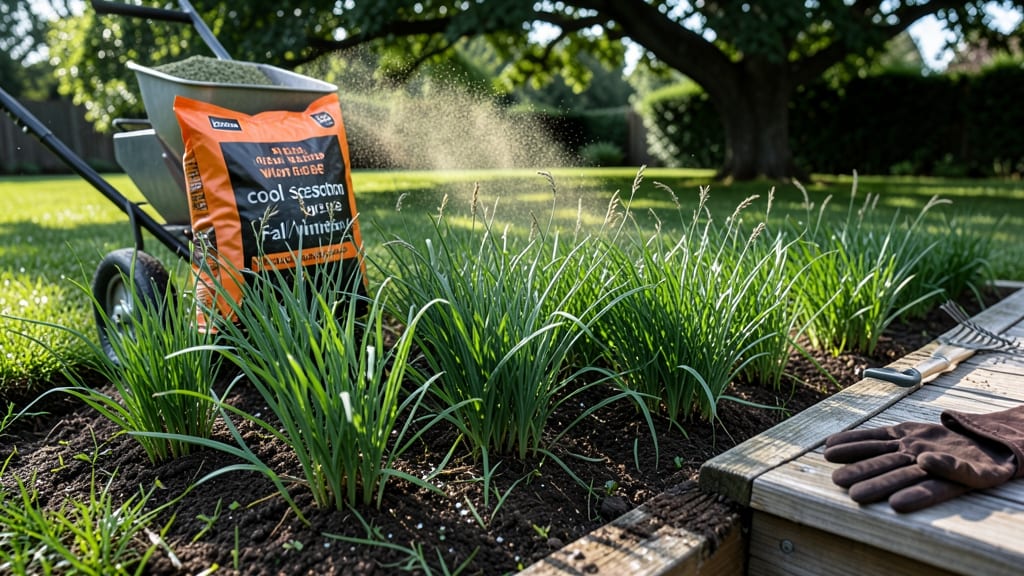
To winter fertilize lawns, aim for late fall through early spring (November to March), adapting to your region—cool-season grasses thrive with late fall applications (October–November), while warm-season grasses need dormant fertilizer in late winter (February–March). Local frost patterns and soil composition determine precise timing for best results.
Timing matters because winter fertilization strengthens roots before dormancy, helping your lawn bounce back stronger in spring. 🌱 In colder climates, applying fertilizer too early can lead to nutrient runoff before the grass absorbs it, while waiting too long may leave your lawn vulnerable to winter stress.
I always recommend checking your USDA hardiness zone and soil type—sandy soils drain quickly, so you might need a lighter application, whereas clay holds nutrients longer, allowing for slightly later applications.
For cool-season grasses like fescue or bluegrass, late fall is ideal because the grass is still active but slowing down, allowing nutrients to penetrate without excessive growth. Warm-season grasses like Bermuda or Zoysia, however, should get their winter boost in late winter when they're just waking up from dormancy.
Testing your soil's pH before applying fertilizer ensures you're not wasting money on products your lawn can't use effectively.
💡 In This Article
- Climate Zone Guidelines for Winter Lawn Fertilization
- Best Winter Fertilizer Types for Lawn Health
Climate zone guidelines for winter lawn fertilization
Your USDA hardiness zone dictates the precise window for winter fertilization, with a general rule: Northern regions (zones 3-5) should fertilize in late October to November, while Southern regions (zones 7-9) can extend applications into December or even January.
This timing aligns with when cool-season grasses naturally slow their growth but remain active enough to absorb nutrients before dormancy. For example, in zone 5 (Midwest), the ideal window is mid-October to early November, whereas in zone 8 (Southeast), you can safely apply until mid-December.
The key mechanism here is frost: applying fertilizer too early in colder zones risks nutrient loss from rainfall before the grass can absorb it, while waiting too long may leave your lawn weak before winter stress sets in.
Sandy soils accelerate this process—nutrients leach through 30-50% faster than in clay, so you might need to apply fertilizer 2-3 weeks earlier in sandy areas. Conversely, clay soils hold moisture and nutrients longer, allowing slightly later applications without runoff risks.
Frost cycles also play a critical role. In zones with hard freezes (like zone 4), aim to fertilize 4-6 weeks before the first hard frost—this gives roots time to strengthen before dormancy. For instance, if your first hard frost hits in mid-November, apply fertilizer by early October.
In milder zones (like zone 9), where frost is rare, you can fertilize as late as January without risking nutrient loss.
Here's how to adjust for your specific conditions:
- Northern climates (zones 3-5): Fertilize in late October—cool but frost-free days maximize nutrient absorption before dormancy
- Mid-Atlantic (zone 6-7): Target mid-November to avoid winter rains washing away nutrients
- Southern climates (zones 8-10): Apply in December-January when growth slows but frost isn't a concern
For warm-season grasses like Bermuda, a dormant fertilizer in late February to early March provides an early boost as they begin waking from dormancy. The science here is simple: warm-season grasses need nutrients when they're transitioning from dormancy, not when they're already actively growing in summer.
Pro tip: If your area experiences unpredictable frost patterns, monitor local weather forecasts and adjust your timeline accordingly. A sudden early frost can trap nutrients in the soil, making them inaccessible until spring thaw—so flexibility is key! 🌡️