
Light Requirements
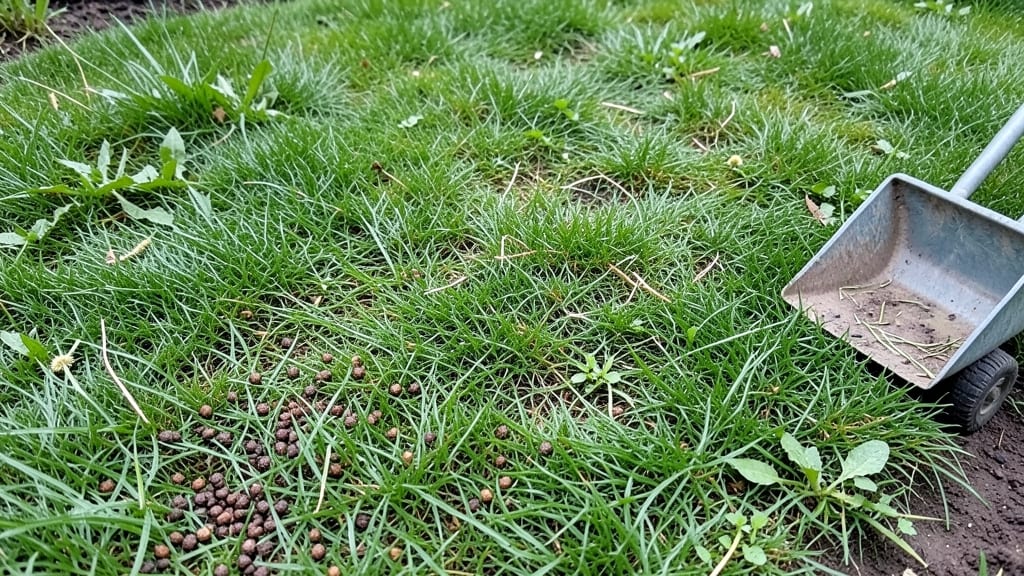
To fertilize your grass, time it according to your climate zone: apply in early spring (March–April) for northern regions and late winter (February) for southern zones, then again in early fall (September–October) to strengthen roots and prepare for winter. Warm-season grasses like Bermuda or Zoysia need adjustments to match their growth peaks.
Timing matters because grass grows differently in various climates. Cool-season grasses thrive when soil temperatures are moderate, while warm-season varieties need heat to activate. 🌱 In northern regions, early spring kickstarts growth after winter dormancy, while southern zones benefit from late winter applications before summer heat arrives.
Fall fertilization helps grass store nutrients for winter survival—critical for both cool and warm-season types.
For best results, test your soil first to determine pH and nutrient needs. Slow-release fertilizers spread evenly with a calibrated spreader, while quick-release options require more frequent watering to prevent runoff. Always follow package instructions for application rates and safety precautions. 💫
💡 In This Article
- Optimal Grass Fertilization Timing by Climate Zone
- Step-by-Step Fertilizer Application Guide for Healthy Lawns
Optimal grass fertilization timing by climate Zone
The science behind spring and fall fertilization lies in grass growth cycles tied to soil temperatures. Cool-season grasses like Kentucky bluegrass and fescue enter active growth when soil temps hit 50-55°F—typically March-April in northern climates.
This timing aligns with their natural dormancy break, allowing roots to absorb nutrients efficiently before summer heat. In contrast, warm-season grasses like Bermuda need soil temps above 65°F to activate, which occurs in late spring or early summer.
USDA hardiness zones further refine timing: Zone 3-5 (northern regions) should fertilize in March-April and September-October, while Zone 7-10 (southern regions) shift to February-March and August-September. The key threshold is 50°F soil temperature—below this, grass roots become dormant and nutrient uptake stalls.
Fall applications work because cooler temps slow growth but allow roots to store nutrients for winter survival.
Drought and humidity add critical variables. In arid regions like Arizona, fall fertilization should occur 2-3 weeks before first frost to prevent nutrient runoff from infrequent rains. Meanwhile, humid climates like Florida may need early fall timing (August-September) to avoid fungal growth from excess moisture.
The rule: Fertilize when grass is actively growing but before environmental stressors like extreme heat or cold arrive.
Here's what's actually happening in your lawn: Spring fertilization triggers rapid top growth by supplying nitrogen, while fall applications focus on root development through phosphorus and potassium.
The 3-1-2 ratio (nitrogen-phosphorus-potassium) in fall fertilizers reflects this priority. For example, a 16-4-8 blend promotes root systems, whereas a 30-0-4 spring blend fuels leaf growth.
Regional frost risks create another layer of complexity. In Zone 6, apply fall fertilizer 6-8 weeks before first frost—too early and nutrients may leach; too late and grass can't utilize them before dormancy.
Southern zones can extend this window due to milder winters. The goal is always to match fertilization with the grass's natural metabolic rhythms while avoiding environmental disruptions.
Most people overlook how humidity affects fertilizer effectiveness. In high-humidity areas, apply in early morning when dew has evaporated but before afternoon rains. The 24-48 hour watering rule (applying 1 inch of water post-fertilization) ensures nutrients reach roots without washing away.
This becomes especially critical in Zone 8+ where summer rains can dilute fertilizer before grass can absorb it.