
Fertilization
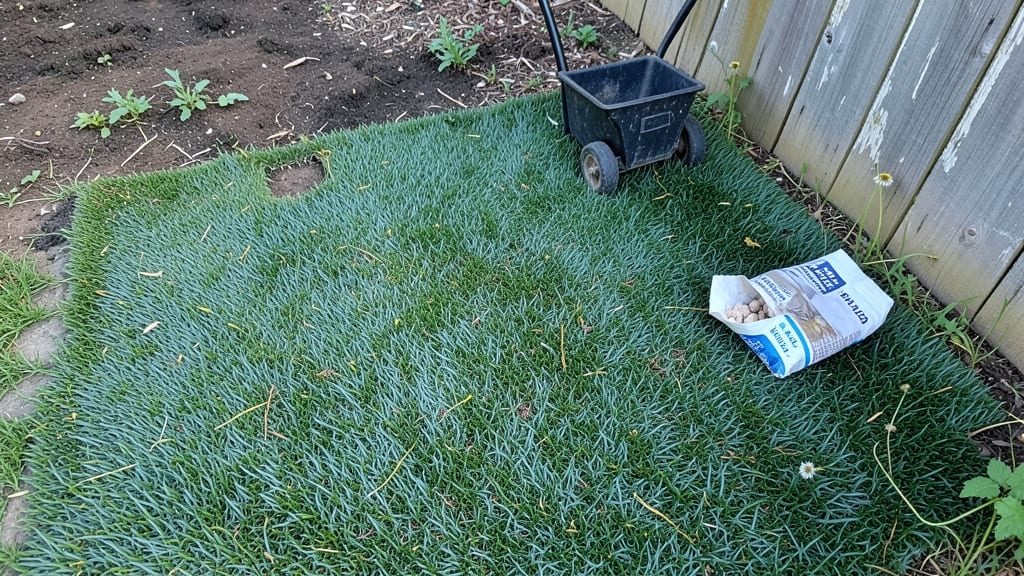
You should fertilize new sod grass 4 to 6 weeks after installation once roots reach 1 to 2 inches deep, using a low-nitrogen starter fertilizer (10-10-10 ratio) to boost growth without damaging tender roots. Skip fertilization during extreme heat or drought.
Timing matters because new sod needs time to establish a strong root system before it can handle nutrients. 🌱 The 4- to 6-week window ensures roots are deep enough to absorb fertilizer effectively, while avoiding overfeeding prevents root burn.
I always check root depth by gently pulling a small section—if it resists, it's ready. Environmental factors like soil temperature (60°F+) and consistent moisture also play a big role in determining the perfect moment.
Once roots are established, a 10-10-10 ratio starter fertilizer provides balanced nutrition without overwhelming the grass. This approach supports early growth while preventing stress that could set back your lawn's development. For best results, apply in the early morning or late afternoon to reduce evaporation and water thoroughly afterward.
💡 In This Article
- How Sod Grass Roots Establish Before Fertilizing
- Best Fertilizer Types and Application Tips for New Sod
How sod grass roots establish before fertilizing
The rooting process begins immediately after installation as sod pieces start to knit together. Within the first 7-14 days, roots grow rapidly at a rate of about 0.5 inches per day under ideal conditions, reaching 1 inch by week three.
This early growth is driven by the grass's natural survival instinct to anchor itself in the soil. The key factor here is soil contact—properly leveling the sod and ensuring good soil-to-sod interface is critical, as roots need direct access to moisture and nutrients.
By 4-6 weeks, healthy sod should develop roots reaching 1.5-2 inches deep, which is the magic threshold for fertilizer readiness. You can test this by gently pulling a small section—if the sod resists and you feel significant resistance, roots are established.
The color of the grass also shifts from the initial deep green of fresh sod to a slightly lighter, more uniform green as roots mature. During this time, soil temperature must stay above 60°F for optimal root growth, as cooler temperatures slow metabolic processes.
What most people don't realize is that fertilizer can actually harm tender new roots if applied too soon. Young roots lack the protective mycorrhizal fungi network that mature grass has, making them vulnerable to salt burn from synthetic fertilizers.
The 10-10-10 ratio starter fertilizer is ideal because it provides balanced nutrition without overwhelming the system—too much nitrogen at this stage can cause rapid top growth while weakening root development, creating a "leggy" grass that's prone to drought stress.
Moisture management is equally crucial during this establishment period. New sod needs 1-1.5 inches of water per week, either from rainfall or irrigation, to maintain consistent soil moisture at the root zone.
Too little water causes roots to grow shallow and brittle, while excessive moisture can lead to anaerobic conditions that suffocate roots. The perfect balance creates a fibrous root system that can handle both fertilizer and environmental stresses once established.
Seasonal timing also plays a role—spring and fall are ideal because moderate temperatures and consistent rainfall create perfect conditions. In summer, extreme heat can cause fertilizer salts to concentrate in the root zone, while winter dormancy periods make nutrient uptake inefficient.
This is why many lawn care professionals recommend avoiding fertilization during these seasons for new sod installations.
One visual cue to watch for is the appearance of new growth at the edges of sod pieces. When you see fresh green shoots emerging between the original pieces, it's a strong indicator that roots are bridging the gaps and the sod is knitting together.
This typically occurs around 3-4 weeks under ideal conditions, giving you a clear visual confirmation that the root system is developing properly.
Remember, the goal during this establishment period is to build a strong foundation—not just green leaves. Healthy roots mean your lawn will be more resilient against drought, pests, and disease once you do introduce fertilizer.
Think of it like building a house: you wouldn't put a roof on before the foundation is solid, and the same principle applies to your lawn. 🌱