
Fertilization
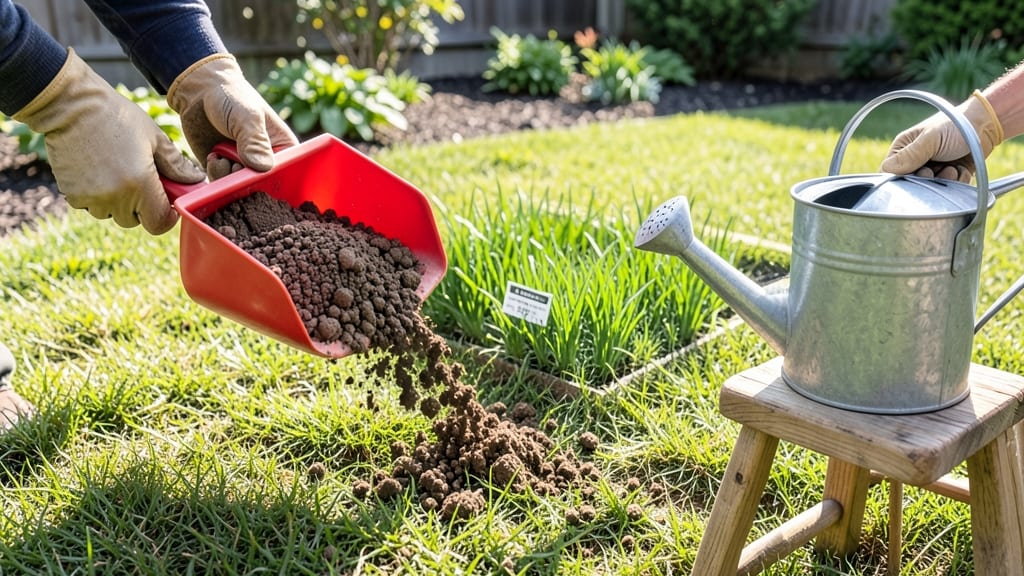
Fertilizing lawn after overseeding at the wrong time can turn your fresh grass seeds into a sad, stunted mess—but there’s a sweet spot that unlocks thick, weed-resistant growth.
Picture this: You’ve just spread new grass seed, dreaming of a lush, green carpet by summer. But if you fertilize too soon, you’ll burn those tender sprouts before they even stand up.
Or wait too long, and you’ll miss the critical window when roots need that extra push. Get the timing right, and your lawn will reward you with stronger roots and faster fill-in.
Most gardeners think they should fertilize right after overseeding, but that’s actually the fastest way to kill new growth. The secret? Wait until the soil warms up and the seedlings have put down at least 1 inch of roots—usually 4-8 weeks after planting.
That’s when a light, phosphorus-rich feed will do the most good without shocking your lawn.
In this guide, I’ll break down the exact timing by season, the best fertilizers to use, and how to tell when your grass is ready for that first boost. No more guesswork—just a foolproof plan for a lawn that stays thick and green all year.
Optimal fertilizer timing after overseeding for maximum root development
Timing your fertilizer application after overseeding is one of the most critical steps for root development and long-term lawn health. Applying too early can burn delicate seedlings, while waiting too long delays their growth potential.
The science-backed window for your first starter fertilizer application is 4-8 weeks post-seeding, when new roots are established but still need a nutrient boost to thrive.
This window aligns with when grass seedlings have developed enough root mass to absorb nutrients efficiently, typically around soil temperatures of 60-70°F. Cooler temperatures slow nutrient uptake, while warmer soils risk fertilizer burn on tender new shoots.
Understanding these temperature thresholds helps you adjust timing based on your USDA hardiness zone and seasonal climate patterns.
The key to success lies in low-nitrogen, high-phosphorus fertilizers during this phase. Phosphorus (the middle number in NPK ratios) is essential for root development and seedling establishment. A 10-20-10 or 5-10-10 blend is ideal for this stage, providing the right balance to support new growth without overwhelming young plants.
Here’s why nitrogen timing matters: Too much nitrogen early on can lead to top-heavy growth at the expense of root development. Your lawn’s new seedlings need phosphorus first to build a strong foundation before they can handle nitrogen’s growth-stimulating effects.
Think of it like teaching a child to walk before running—roots first, then foliage.
| Stage | Action | Soil Temp | Fertilizer Type |
|---|---|---|---|
| 0-2 Weeks Post-Seeding | No Fertilizer | 50-65°F | Starter Granules (optional) |
| 3-4 Weeks Post-Seeding | Light Watering + Monitoring | 60-70°F | None (avoid stress) |
| 4-6 Weeks Post-Seeding | Apply Starter Fertilizer | 65-75°F | 10-20-10 or 5-10-10 |
| 6-8 Weeks Post-Seeding | Full Root Establishment | 70-80°F | Low-Nitrogen (24-0-4) |
| 8+ Weeks Post-Seeding | Transition to Regular Feeding | 60-75°F | Slow-Release (30-0-4) |
Seasonal adjustments are crucial for fall vs. spring overseeding. In fall overseeding (ideal for most regions), aim to fertilize 4-6 weeks post-seeding, typically in late September to early October. This timing ensures seedlings establish roots before cooler temperatures slow growth.
For spring overseeding, apply fertilizer 6-8 weeks post-seeding, usually in late May, when soil warms and new growth accelerates.
Avoid fertilizing if soil temperatures drop below 50°F—this can shock seedlings and halt root development. Use a soil thermometer to check temperatures at 4-inch depth, the zone where most grass roots grow.
If temperatures fluctuate, wait until they stabilize before applying fertilizer to prevent nutrient leaching or burn risks.
For cool-season grasses like Kentucky Bluegrass or Fescue, prioritize phosphorus-rich fertilizers during the first 8 weeks. Warm-season grasses like Bermuda or Zoysia can handle slightly more nitrogen after 10-12 weeks, but always start with a low-nitrogen, high-phosphorus blend to encourage root depth.
This approach mirrors how natural ecosystems support new growth—roots before leaves.
After applying starter fertilizer, water deeply to help nutrients reach the root zone. Aim for 1-1.5 inches of water within 24-48 hours of application, split into two sessions if possible. This prevents fertilizer from sitting on the surface and burning tender shoots.
Monitor your lawn for yellowing or wilting in the days following fertilization—these are signs of over-application or poor watering practices.
Remember, the goal isn’t just green grass but deep, resilient roots that outcompete weeds and survive drought. By following this 4-8 week window and adjusting for your local climate, you’ll give your lawn the best possible start for long-term health and vigor.
Step-by-step fertilizer application guide for overseeded lawns
After overseeding, your lawn’s new seedlings need special care—especially when it comes to fertilizer. Using the wrong blend or timing can burn delicate roots or delay germination. The key is a high-phosphorus, low-nitrogen fertilizer applied at the right moment to encourage strong root development without overwhelming tender shoots.
Most gardeners make the mistake of fertilizing too early, thinking a quick boost will help. But seedlings need phosphorus (P) first to establish roots before nitrogen (N) promotes top growth.
Wait until your grass has 4-6 weeks of growth before applying fertilizer, and always choose a blend labeled for new seed establishment, like a 5-10-10 or 6-24-12 ratio.
Once your lawn has established roots—typically 6-8 weeks after seeding—you can switch to a balanced lawn fertilizer (e.g., 24-4-8) to promote top growth. But remember: over-fertilizing now can lead to thatch buildup and weaken your grass long-term.
Always follow the label rates and avoid applying fertilizer when soil temps exceed 80°F.
With the right fertilizer and timing, your overseeded lawn will thicken faster and outcompete weeds naturally. Just be patient—consistent care pays off in a denser, healthier turf by next spring. 🌱