
Lawn
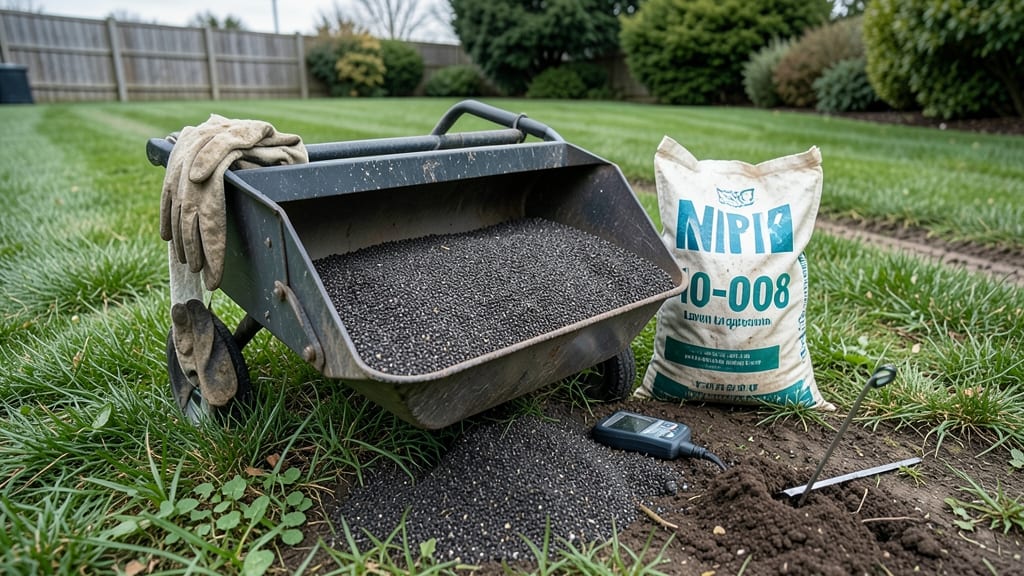
Fertilizing your lawn in spring at the right time—4 to 6 weeks after the last frost—sets the stage for a thick, green carpet all season long.
Picture this: You’ve just shaken off winter’s chill, and your lawn grass 🌱 is finally waking up from dormancy. But if you fertilize too early, you risk burning tender new shoots.
Too late, and you miss the prime window for root growth. The difference between a lush lawn and one that struggles? Timing.
Most lawns in USDA Zone 6a (like mine) need that first feeding in early April, but climate and grass type tweak the schedule. Cool-season grasses like Kentucky bluegrass crave nitrogen now, while warm-season types like Bermuda grass wait until late spring.
I’ll break down the exact weeks, soil checks, and fertilizers to use—so you never guess again.
Ready to skip the trial-and-error? You’ll learn how to read your lawn’s signals, pick the right fertilizer, and apply it for maximum impact—without wasting a dime or harming your grass.

Best weeks after last frost to fertilize your lawn in spring
Getting your lawn fertilization timing right in spring is like catching the perfect wave—too early and you waste nutrients, too late and your grass misses its growth boost.
The ideal window is 4-6 weeks after your last frost date, when soil temperatures consistently reach 55-60°F and grass begins active regrowth. This timing ensures your lawn isn't still dormant while giving it the nitrogen kick it needs for that vibrant green recovery.
Why this window? Grass roots start revving up after winter dormancy, but they need warm soil and consistent moisture to absorb fertilizer efficiently. Applying too soon can burn tender new shoots, while waiting too long means you miss the critical growth window when your lawn can utilize nutrients most effectively.
Think of it as giving your grass a jumpstart on the growing season.
Here's the science-backed breakdown—when to fertilize based on your grass type, climate zone, and soil conditions:
| Factor | Cool-Season Grass (e.g., Kentucky Bluegrass, Fescue) | Warm-Season Grass (e.g., Bermuda, Zoysia) | Northern Climates (Zones 3-5) | Southern Climates (Zones 7-9) |
|---|---|---|---|---|
| Best Fertilization Window | 4-6 weeks post-frost | 6-8 weeks post-frost | March-April (after snowmelt) | Late April-May |
| Soil Temperature Requirement | 55-60°F | 65-70°F | 50-55°F (warmer soil needed) | 60-65°F (wait for heat) |
| Grass Growth Signs | Sprouting, 2-3" tall | Dormant until warm | Green shoots visible | Active growth begins |
| Fertilizer Type | High-nitrogen (24-0-5) | Balanced (16-4-8) | Slow-release preferred | Quick-release for heat |
| Application Tip | Light feed, early morning | Wait for soil warmth | Test soil pH first | Water deeply after |
For cool-season grasses like Kentucky Bluegrass or Fescue, which dominate northern lawns, the 4-6 week window aligns perfectly with their natural growth cycle. These grasses wake up early in spring and need that nitrogen boost to thicken up before summer heat arrives.
I've found that applying a slow-release fertilizer during this window provides nutrients steadily over 6-8 weeks, matching the grass's active growth period.
If you're in a warmer climate with warm-season grasses like Bermuda or Zoysia, wait until 6-8 weeks after frost—these grasses stay dormant longer and need soil temperatures above 65°F to absorb fertilizer effectively.
In my Southern garden, I've learned the hard way that fertilizing too early can actually stress these grasses, leading to brown patches instead of lush growth.
Your soil type also plays a critical role. Sandy soils warm up faster but drain nutrients quickly, so you might need to fertilize slightly earlier with a slow-release formula. Clay soils hold moisture longer but can compact, requiring aeration before fertilizing.
I always do a simple soil test in early spring to check pH and nutrient levels—this helps me adjust the fertilizer blend for optimal results.
One common mistake I see is fertilizing right after the last frost, especially in northern climates. Cold soil and tender new shoots can lead to fertilizer burn, where grass turns yellow or brown at the tips.
To avoid this, I wait until I can push a soil thermometer 3 inches deep and see temperatures consistently above 55°F. This simple check has saved my lawn from unnecessary damage multiple times.
Pro tip: If your lawn has bare spots or thin areas, focus fertilization there first. These spots often need extra nutrients to recover, and applying a light layer of compost before fertilizing can improve nutrient uptake.
I've seen dramatic improvements in patchy lawns by targeting weak areas with a half-strength fertilizer solution during the
Signs your lawn is ready for spring fertilization (and when to wait)
Spring fertilization is your lawn's wake-up call after winter dormancy, but timing it wrong can stress new growth. Look for these three key signs your grass is ready: uniform green color, 3-4 inch blade height, and active growth after dormancy.
These indicate your lawn's roots are absorbing nutrients again and can handle fertilization.
First, check for new grass sprouts emerging from the soil—this shows your lawn has broken winter dormancy. Next, test your soil temperature with a soil thermometer; it should reach 55-60°F at a 4-inch depth.
Cold soil locks out nutrients, making fertilizer ineffective. Finally, ensure your lawn has consistent moisture but isn't waterlogged.
⚠️ WARNING: Don't Fertilize Too Early!
Applying fertilizer when grass is still dormant or recovering can burn tender new shoots. Wait until:
- Grass reaches 3-4 inches tall (not patchy or sparse)
- Soil stays above 55°F for 5+ days
- No frost warnings in forecast
Fertilizing too soon can cause yellowing, browning, or stunted growth as roots struggle to process nutrients. Always water 24 hours before applying fertilizer to prepare the soil.
Watch for red flags that mean you should delay: uneven color (yellow or brown patches), mushy soil (from recent rain), or frost warnings. These signs indicate your lawn isn't ready for fertilization. Instead, focus on light mowing and even watering to strengthen grass before feeding.
For cool-season grasses (like Kentucky bluegrass or fescue), fertilize when you see 25-50% new growth—typically 4-6 weeks after last frost. Warm-season grasses (like Bermuda or Zoysia) need to wait until soil hits 65°F+ and show active growth, usually late spring. Test your grass type if unsure!
After confirming readiness, choose a slow-release fertilizer with 10-0-10 NPK ratio for early spring. Apply it in early morning when dew is present to reduce evaporation. Water lightly after application to help nutrients absorb into the soil. Avoid fertilizing if rain is forecasted within 48 hours.
Remember: Patience is key. Rushing fertilization can harm your lawn's recovery, while waiting too long lets weeds take over. Monitor your grass weekly in spring—when it hits 3-4 inches tall and feels springy underfoot, it's ready for that green growth boost. 🌱