
Companion Plants
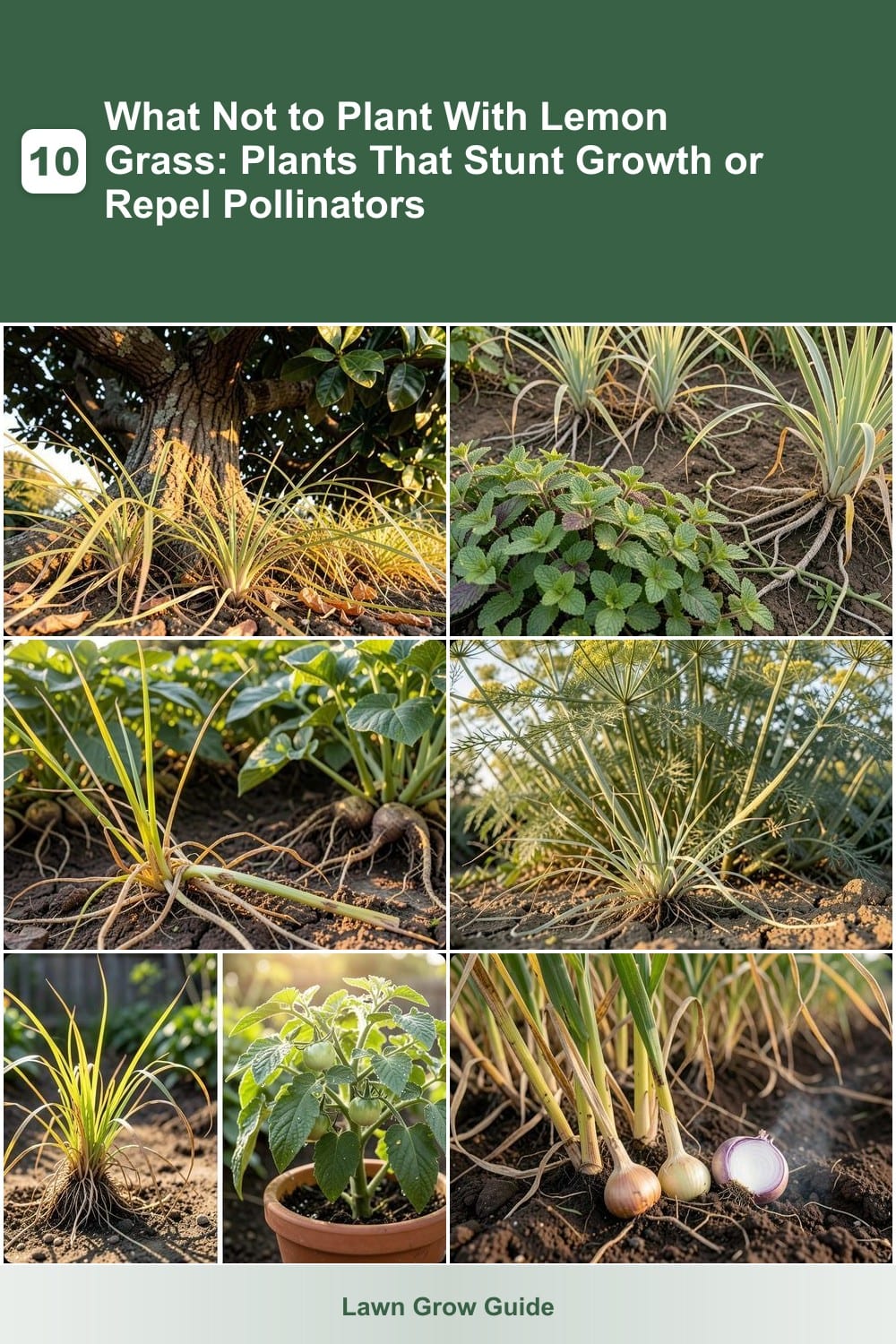
Lemon grass thrives in tropical climates but can struggle when planted near incompatible companions. These 10 plants either stunt its growth, attract pests, or create soil competition that weakens your lemon grass—avoid them for a healthier garden.
Citrus Trees Like Lemons or Oranges
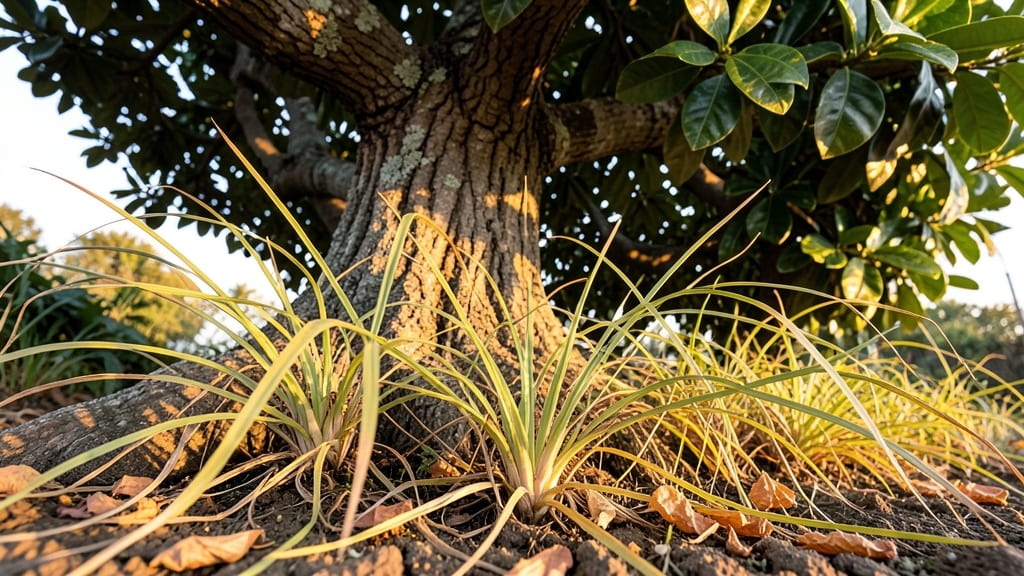
If your lemon grass is struggling near a citrus tree, the issue might not be water or sunlight—but a silent nutrient war. Both plants crave the same phosphorus and nitrogen, leaving your lemon grass weak and yellowing while pests like aphids and citrus leaf miners thrive in the stressed environment.
Citrus trees also release volatile oils that can disrupt lemon grass’s root development, creating a vicious cycle of competition. The problem worsens in small containers or tight garden beds, where roots intertwine and moisture levels fluctuate unpredictably. Even if you’re growing lemons or oranges for harvest, their presence can stunt your lemon grass’s growth by up to 40%.
Gardeners in tropical climates or those with limited space should separate these plants by at least 5 feet or grow lemon grass in its own container. If you’re set on a citrus-lemon grass combo, mulch heavily to reduce competition and monitor for early signs of pest infestations. 🌿
Mint Plants in Open Gardens
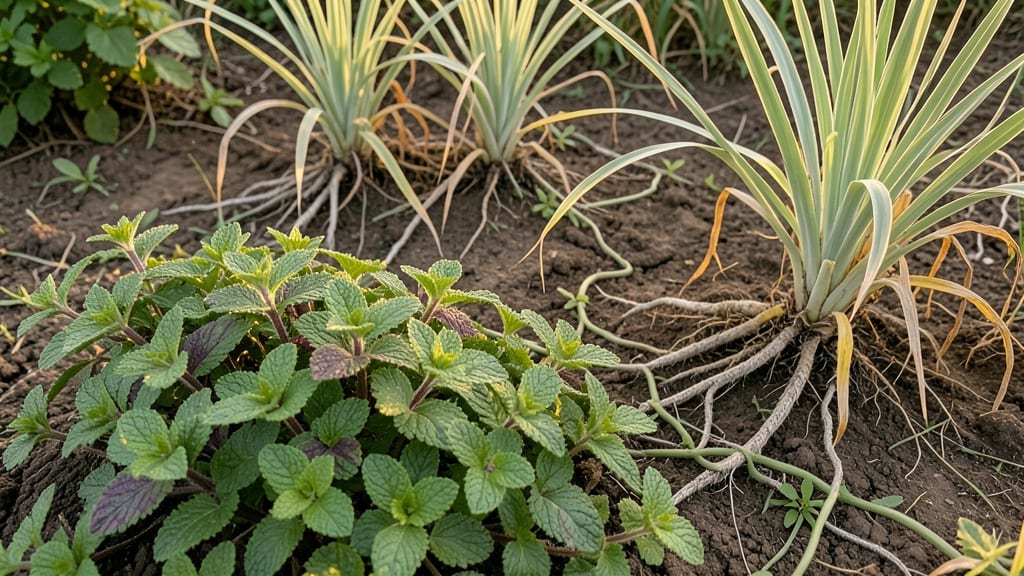
If your garden is already bursting with mint, think twice before inviting lemon grass to the party. Mint’s rambling roots don’t just spread—they bully, creeping beneath lemon grass and siphoning moisture while leaving your prized plant parched and stressed.
The real kicker? Mint attracts the same aphids and spider mites that love feasting on lemon grass, turning your garden into a pest buffet. Even if you love mint’s scent, its invasive nature can turn your lemon grass from lush to limp in just a few seasons.
Urban gardeners or small-space growers should especially avoid this pairing—mint’s relentless spread makes it nearly impossible to contain without plastic barriers. Better to keep mint in pots and let lemon grass thrive undisturbed. 🌿
Potatoes or Sweet Potatoes
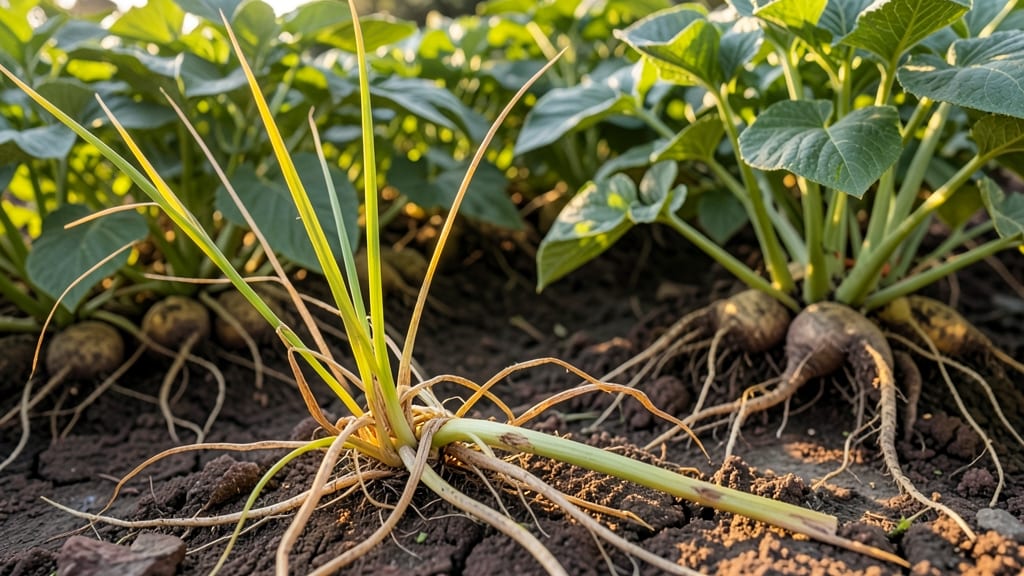
If your lemon grass is struggling to grow despite your best care, the problem might be lurking beneath the surface—potatoes or sweet potatoes nearby. These heavy feeders gobble up nitrogen from the soil, leaving your lemon grass starving for essential nutrients and causing yellowing leaves or stunted growth.
Both types of tubers require high-nitrogen soil to produce abundant harvests, often depleting levels to the point where lemon grass can't recover. The issue is especially noticeable in small garden beds where roots compete directly. If you've planted potatoes or sweet potatoes recently, your lemon grass may need a nitrogen boost with compost or a balanced fertilizer to bounce back.
Urban gardeners or those with limited space should avoid planting these tubers near lemon grass. If you're growing them in the same area, consider spacing them at least 3 feet apart or using containers to prevent nutrient theft. 🌱
Fennel Plants in Garden Beds
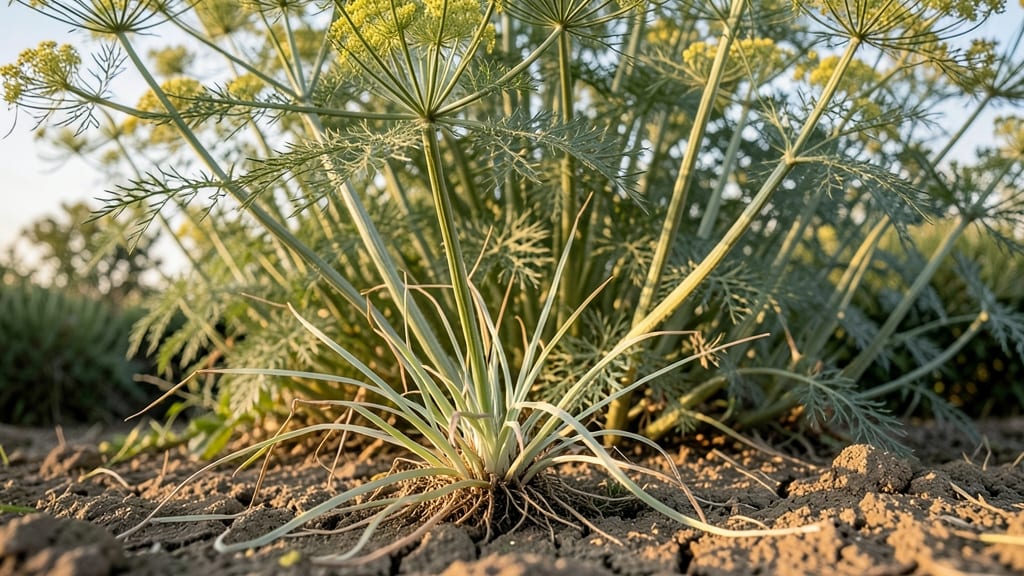
If your lemon grass is growing slower than expected, fennel might be the silent culprit lurking nearby. This tall, feathery plant releases natural chemicals called allelochemicals that disrupt root development in neighboring plants—including lemon grass.
The issue isn’t just competition for space or nutrients; fennel’s allelopathic compounds actively inhibit lemon grass’s ability to establish strong roots. You’ll notice stunted growth, yellowing leaves, or even complete failure to thrive if planted too close. The good news? Fennel’s effects weaken once it’s harvested or removed, giving lemon grass a fighting chance to recover.
This is especially problematic for gardeners who love both herbs in their beds. If you’re set on growing fennel, plant it at least three feet away from lemon grass or consider container gardening to separate their root zones entirely. 🌻
Tomatoes in Containers or Beds
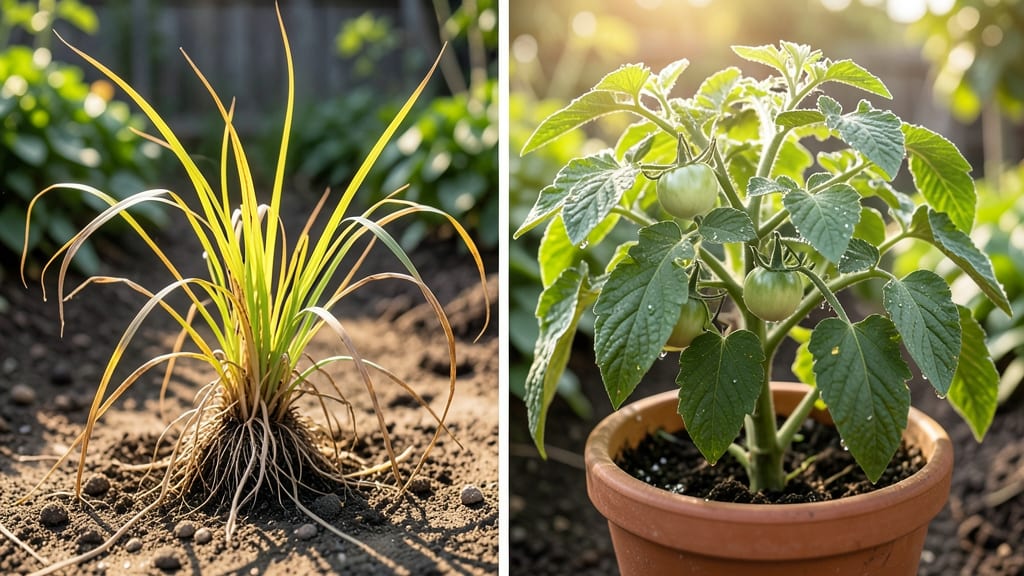
If your lemon grass is struggling to thrive despite your best care, tomatoes—whether in containers or garden beds—might be the hidden culprit. These two plants share a dangerous duo: aphids and whiteflies, which flock to both, weakening stems and leaves while draining nutrients.
The real villain here is phosphorus competition. Tomatoes are heavy phosphorus feeders, and when planted nearby, they leave your lemon grass starving for this critical nutrient, leading to stunted growth and increased disease susceptibility. Even in containers, shared pests and nutrient depletion can turn your lemon grass into a pale, leggy shadow of its potential.
Urban gardeners with small spaces or balcony setups should avoid pairing these two, especially if you’re growing heirloom tomatoes or cherry varieties that attract even more pests. Instead, try basil or marigolds as companions—they repel pests while supporting lemon grass growth. 💡
Onions or Garlic Bulbs
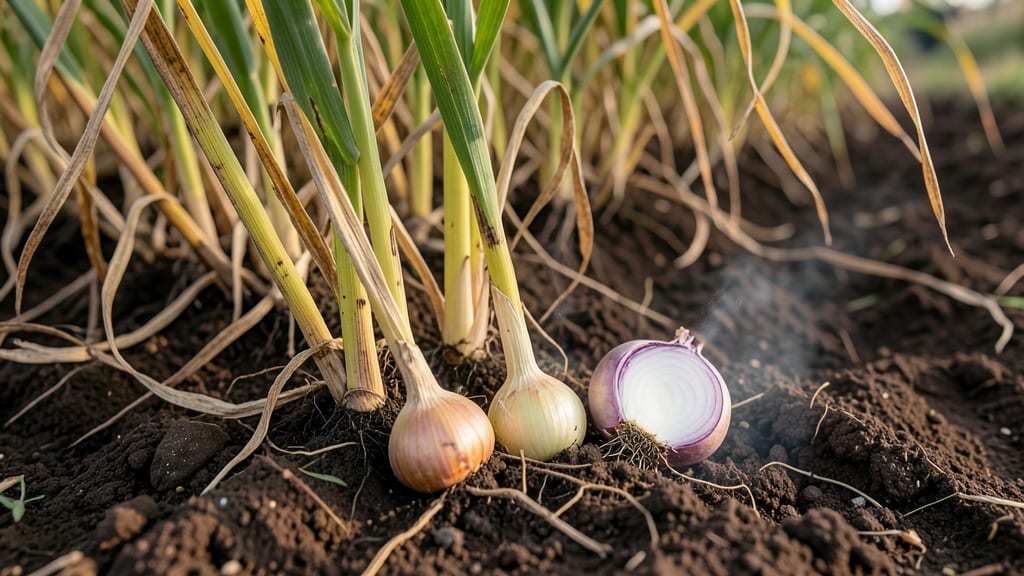
If your lemon grass is looking tired and yellowing despite plenty of water, the culprit might be lurking underground—onions or garlic bulbs. These alliums release sulfur compounds that shift soil pH, creating a chemical imbalance that blocks your lemon grass from absorbing potassium, a mineral critical for strong growth.
Onions and garlic thrive in slightly acidic to neutral soil, but their sulfur compounds can make the soil too acidic for lemon grass, which prefers a mildly alkaline environment. This pH shift disrupts nutrient uptake, leading to weak stems and sparse foliage. The issue worsens in small garden beds where roots intertwine, intensifying the chemical competition.
Gardeners in tropical climates or those using raised beds should avoid planting these alliums near lemon grass. If you already have onions or garlic in your garden, consider amending the soil with crushed eggshells or wood ash to counteract acidity and give your lemon grass a fighting chance. 💚
Banana Trees in Tropical Gardens
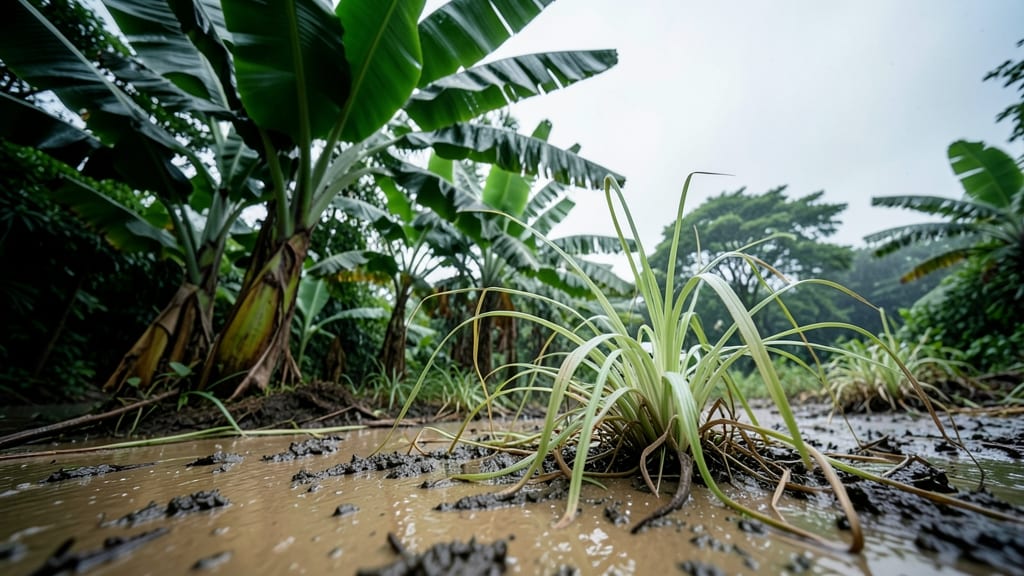
If your tropical garden features banana trees, you might be unknowingly creating a recipe for disaster for your lemon grass. Both plants thrive in humid conditions but share a love for moisture—so much so that their combined water needs can lead to soggy soil, inviting fungal diseases like leaf spot or root rot.
Banana trees also create dense shade, which lemon grass avoids—its slender stems prefer bright, indirect light to stay upright and healthy. The damp, shaded environment weakens lemon grass stems, making them prone to bending or breaking. If you must grow both, space them at least 6 feet apart and ensure proper drainage to reduce fungal risks.
This pairing is especially tricky for tropical gardeners who love lush, layered plantings. Consider placing lemon grass in containers near banana trees or opt for drier companions like rosemary to keep your citrusy herb thriving. 🌿
Pine Trees or Evergreens
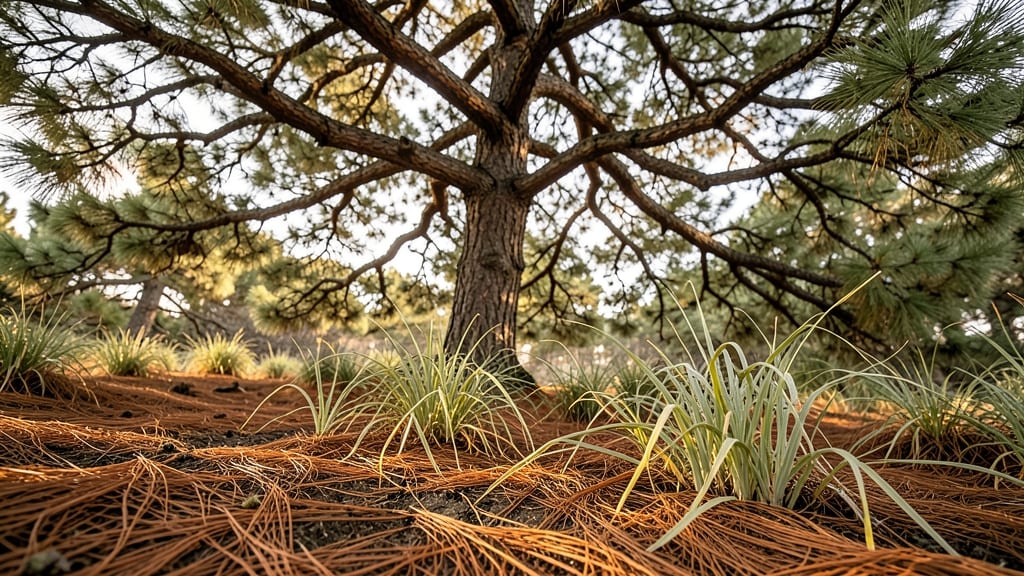
If your garden includes towering pine trees or other evergreens, your lemon grass might be silently suffering. The acidic pine needles that blanket the soil create a slow but steady shift toward lower pH levels—something lemon grass, which thrives in slightly alkaline conditions, simply can’t tolerate.
Over time, this acidic environment stresses lemon grass roots, leading to yellowing leaves, stunted growth, or even death. The problem worsens in wooded or forest-edge gardens, where pine needles accumulate year-round. Even well-draining soil can’t compensate for the chemical imbalance caused by decades of needle decomposition.
Urban gardeners with pine trees nearby should test their soil pH annually and amend with lime if levels drop below 6.5. Container gardeners can avoid this issue entirely by keeping lemon grass in raised beds with neutral or slightly alkaline soil. 🌿
Cucumbers or Melons
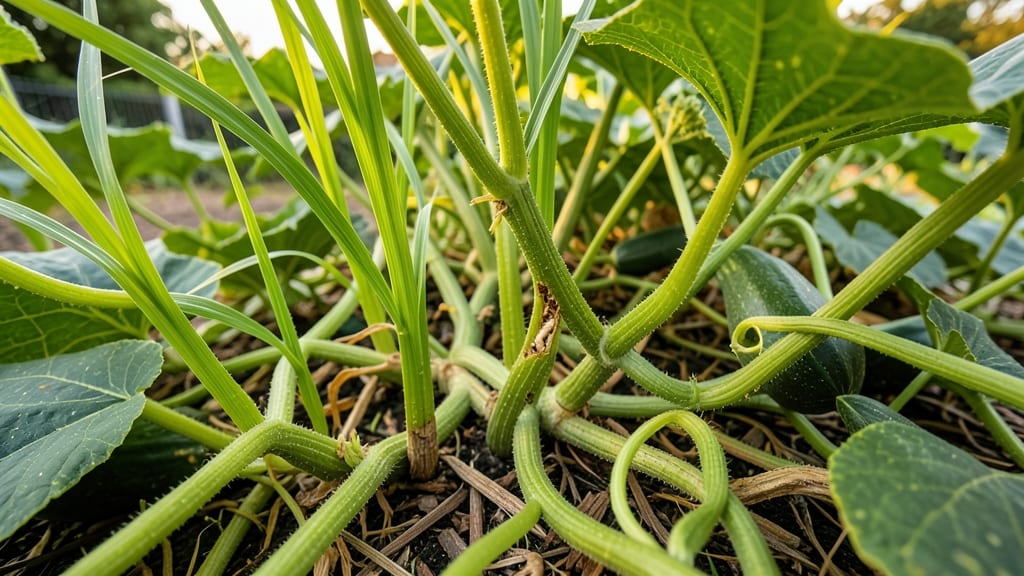
If your garden includes cucumbers or melons, your lemon grass might be silently suffering. These sprawling vines don’t just compete for space—they share a deadly pest: the squash vine borer, a moth whose larvae burrow into stems, including those of lemon grass.
The borers target both cucurbits and lemon grass, creating entry points for fungal infections. Even if you spot healthy-looking melon vines, check your lemon grass for hollow stems or sawdust-like frass (borer droppings). To protect your plants, use row covers during flowering or plant lemon grass in containers away from cucurbit beds.
This pairing is especially risky for urban gardeners with limited space, where vine sprawl can smother lemon grass entirely. 🌻
Lavender Plants in Containers
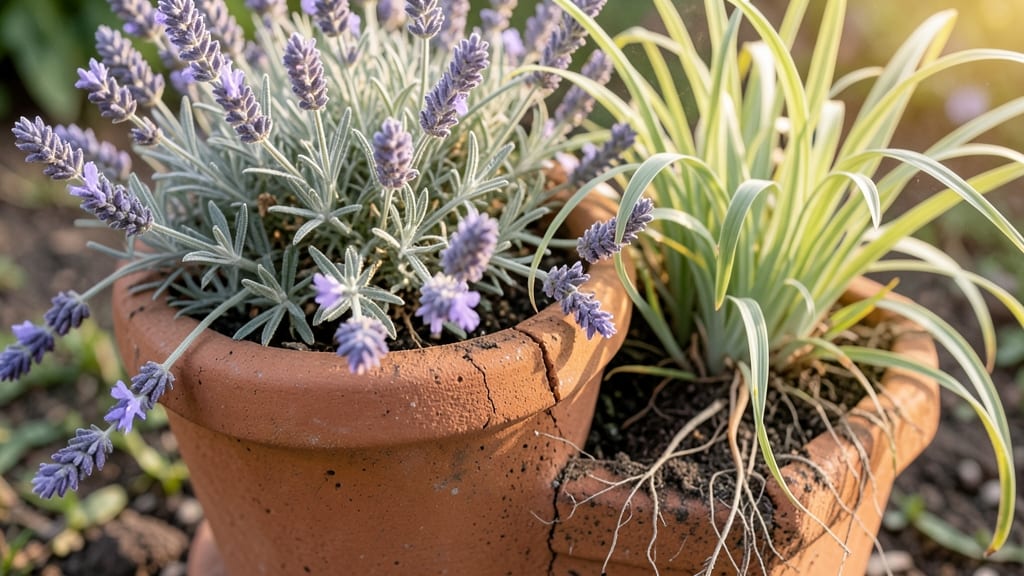
If you love the fragrant allure of lavender but also want to grow lemon grass, think twice before pairing them in containers. Lavender’s strong scent isn’t just calming—it actively repels the pollinators that help lemon grass produce its delicate flowers, while its drought-tolerant nature can leave lemon grass parched and struggling.
Lavender thrives in well-draining soil and minimal water, while lemon grass prefers consistent moisture—especially in its first year. The scent competition alone can reduce lemon grass’s aromatic oil production by up to 30%, and the moisture imbalance weakens its root development. Even in separate containers, the scent can drift and disrupt nearby pollinators.
Urban gardeners with limited space should skip this pairing entirely—opt for basil or marigolds instead, which complement lemon grass without the scent or moisture conflicts. 🌿