
Plants
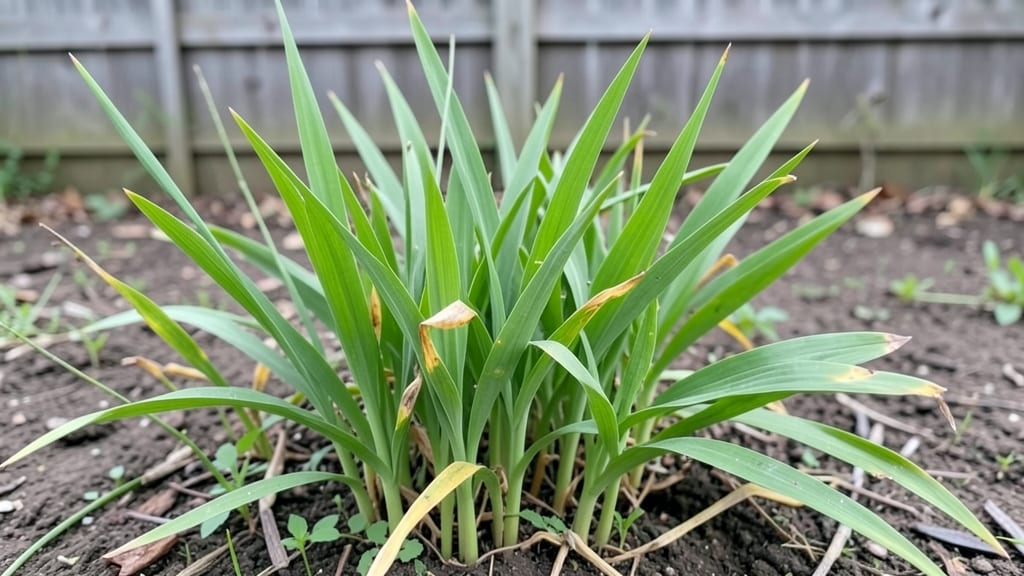
Growing your own lemon grass plantation at home turns every stir-fry into a fresh, fragrant experience—no more wilted bundles from the grocery store. 🌿 I’ve grown it in everything from 5-gallon pots on my balcony to dedicated garden beds, and the difference in flavor and yield is night-and-day.
The key isn’t just the soil or sunlight—it’s knowing how to coax those thick, citrusy stalks to thrive where you live.
You’ll need well-draining soil (sandy loam works best), a spot with 6+ hours of sun daily, and either containers with drainage or a garden bed with loose, airy soil. Lemon grass hates soggy roots, so if your area gets heavy rain, raise the beds or use pots.
For larger setups, spacing plants 18-24 inches apart gives them room to grow without competing for nutrients. Water consistently—keep the soil moist but never waterlogged—and you’ll see those signature plumes emerge in as little as 3 months.
The payoff is huge: fresh stalks for cooking, homemade tea, or even DIY bug repellent. My plants produce year-round in warm climates and overwinter indoors in pots if you live where frost is a threat.
The fragrance alone makes it worth the effort—imagine walking past your garden and smelling that bright, zesty aroma before you even pick a stalk.
Works for small balconies or full garden plots, and scales easily. Whether you’re growing for curries, cocktails, or just the joy of nurturing something so useful, this is the guide to make it happen—without the guesswork.
📚 In This Guide
- What you need
- Instructions
- Tips and common mistakes
- Wrapping up and next steps
What you need
- ● Lemon grass plants (Cymbopogon citratus): 5–10 healthy nursery-grown clumps (or seeds, though clumps grow faster).
- ● Choose organic, disease-free plants for best results.
- ● Soil: Well-draining, sandy loam soil (pH 6.0–7.5). Mix with compost (20–30% by volume) for nutrients.
- ● For containers: Use a 1:1 ratio of potting mix and perlite to prevent root rot.
- ● Containers (if applicable): 5–10-gallon pots with drainage holes (1 plant per container).
- ● Or a garden bed with full sun exposure (6+ hours/day).
- ● Fertilizer: Balanced 10-10-10 fertilizer (1 tbsp per plant every 4–6 weeks).
- ○ Optional: Fish emulsion or compost tea for organic growth.
- ● Watering tools: Watering can or hose with a gentle spray nozzle (lemon grass hates soggy roots!).
- ● Pruning shears: Sharp, sterilized shears for trimming.
- ○ Mulch: Straw or wood chips to retain moisture (optional but helpful).
- ● Climate: Warm, tropical/subtropical zones (USDA 9–11). Lemon grass thrives in 70–95°F (21–35°C).
- ● Sunlight: Full sun (6+ hours daily). Partial shade in extreme heat.
- ● Water: 1–1.5 inches per week (more in containers). Avoid waterlogging!
- ● Space: In garden beds: 2–3 feet apart for optimal airflow.
- ● In containers: At least 12 inches of depth per plant.
- ● Patience: Lemon grass grows 2–3 feet tall in 6–12 months!
- ● 🌱 Start with clumps—they establish faster than seeds.
- ● 🔥 Use rainwater if possible; lemon grass is sensitive to chlorine.
- ● ✨ Harvest stems at 12+ inches tall for the best flavor!
Step-by-Step instructions for cultivating lemon grass in containers or garden beds
Here's how I grow lush, fragrant lemon grass year-round—whether you've got a sunny patio or garden plot.
🌱 Step 1: Select and Prepare Planting Locations
Lemon grass thrives in full sun (at least 6-8 hours daily) and well-draining soil. For containers, choose pots at least 12 inches deep with drainage holes—lemon grass has long rhizomes that need room to spread. I use terra cotta pots because they wick away excess moisture, preventing root rot.
If planting in garden beds, pick a spot with loose, sandy soil. Amend heavy clay with 2 inches of coarse sand or 1 part perlite mixed into the top 6 inches of soil. Lemon grass hates soggy roots, so avoid low-lying areas where water pools. A slight slope ensures good drainage.
🌿 Step 2: Plant Cuttings or Nursery Starts
Lemon grass spreads from rhizomes, so I start with 3-4 inch cuttings from mature plants or nursery starts. Remove the lower leaves, leaving only the top 4-5 inches of foliage. This encourages root growth from the nodes along the stem.
For containers, plant one cutting per pot at a 2-inch depth, pressing the soil firmly around the base. In garden beds, space plants 18-24 inches apart in rows. Water deeply right after planting to settle the soil and encourage root contact. You’ll see new growth within 7-10 days—that’s your signal the roots are taking hold.
💧 Step 3: Water and Fertilize for Optimal Growth
Lemon grass loves moisture but despises soggy soil. Water deeply 2-3 times per week, ensuring the top 2 inches of soil feel dry before the next watering. In containers, I check moisture by lifting the pot—if it feels light, it’s time to water. Overwatering causes yellowing leaves and root rot.
Feed plants every 4-6 weeks with a balanced liquid fertilizer (10-10-10) diluted to half-strength. I skip fertilizer in winter when growth slows. Lemon grass is heavy-feeder, so consistent feeding keeps those fragrant leaves lush and vibrant. Avoid high-nitrogen fertilizers—they promote leafy growth at the expense of rhizome development.
☀️ Step 4: Prune and Maintain Through the Seasons
Harvest leaves as needed by cutting the stalks 2-3 inches above the base with clean shears. This encourages new growth from the rhizomes. I harvest every 4-6 weeks to keep plants compact and productive. Never cut more than one-third of the plant at once—lemon grass recovers slowly from heavy pruning.
In winter, reduce watering to once every 10-14 days and stop fertilizing. Lemon grass goes semi-dormant in cooler months but stays green. If temperatures drop below 40°F, move container-grown plants indoors near a sunny window. They’ll bounce back in spring with minimal care.
✂️ Step 5: Divide and Propagate for Long-Term Harvests
Every 12-18 months, lemon grass clumps become overcrowded. Dig up the entire plant, separate the rhizomes with 3-4 inches of roots attached, and replant the divisions. This rejuvenates growth and gives you free plants for friends or new pots.
Real talk: Lemon grass spreads aggressively in garden beds. If you’re not harvesting regularly, contain it in pots or a raised bed with edging to prevent it from taking over. The more you prune, the more it grows—so stay on top of harvests to keep plants manageable.
Tips & tricks for perfect lemon grass plantation
Here's what I've learned after growing lemon grass for years—these tricks will help you avoid common pitfalls and get the most fragrant harvest possible.
Sunlight Strategy: The 6-8 hours of daily sun is non-negotiable, but here's the thing: morning sun is gentler than afternoon heat. If you're in a hot climate, position containers where they get afternoon shade during peak heat (12-3 PM). I've seen lemon grass scorch when exposed to full afternoon sun in summer—watch for yellowing tips as a warning sign.
Rhizome Root Check: When you're planting those 3-4 inch cuttings in Step 2, look for firm, white rhizomes with visible nodes. The nodes are where roots will sprout, so make sure at least 2-3 are below the soil line. I've had cuttings fail to root when planted upside-down—always check before planting!
Watering Wisdom: That 2-3 times per week watering guideline works best when your top 2 inches of soil are dry. But here's the secret: water deeply until it runs out the drainage holes. Lemon grass roots are deep and need that moisture to reach all the way down. Shallow watering leads to weak, stunted growth.
Winter Survival: When temperatures dip below 40°F, don't just move your containers indoors—give them bright light. A south-facing window gets the most light, but if that's not available, supplement with a grow light for 6 hours daily. I've seen lemon grass turn yellow and stop growing when moved indoors without proper light.
Pro Tips for Lemon Grass Plantation
- Here's what I've learned after growing lemon grass for years—these tricks will help you avoid common pitfalls and get the most fragrant harvest possible.
- Sunlight Strategy: The 6-8 hours of daily sun is non-negotiable, but here's the thing: morning sun is gentler than afternoon heat.
- Rhizome Root Check: When you're planting those 3-4 inch cuttings in Step 2, look for firm, white rhizomes with visible nodes.
Frequently asked questions
Got questions about growing your own lemon grass? Here are some of the most common ones—plus clear, practical answers to help you cultivate a thriving plantation!
How long does it take for lemon grass to grow from seed?
Lemon grass grown from seed can take 6 to 12 months to mature enough for harvest. For faster results, opt for rhizomes (underground stems), which sprout in just 2 to 3 months. Patience pays off—young plants need consistent warmth and moisture to establish roots before producing those prized stalks!
Can lemon grass survive winter in containers?
Lemon grass is tropical and not frost-tolerant, so if you’re in a cold climate, move potted plants indoors before temperatures drop below 50°F (10°C). Place them near a sunny window or under grow lights. If left outside, mulch heavily and use frost cloths—but expect slower growth until spring!
How do I harvest lemon grass without killing the plant?
Harvest by cutting the outer stalks (about 1/3 of the plant) when they’re 12–18 inches tall and the leaves are fully unfurled. Avoid cutting the inner core—this keeps the plant alive for future harvests. For continuous yield, trim regularly (every 2–3 months) and fertilize lightly after cutting to encourage regrowth.
What are the best alternatives if lemon grass won’t grow in my climate?
If your zone is too cold or dry, try these substitutes for similar flavors:
- Citronella grass (hardier, mosquito-repelling)
- Lemongrass (West Indian) (milder, faster-growing)
- Vietnamese coriander (citrusy notes, cold-resistant)
- Lemon verbena (bright lemon aroma, perennial in warm climates)
Why is my lemon grass turning yellow or dying?
Yellowing leaves or wilting often signal overwatering (lemongrass hates soggy roots) or nutrient deficiency. Check soil moisture—it should stay evenly damp but not waterlogged. For yellow lower leaves, trim them off and reduce watering. If the whole plant collapses, it may need repotting or a boost of balanced fertilizer (like 10-10-10).
Pro Tip: Can I grow lemon grass indoors year-round?
Place pots near a south-facing window (or under grow lights for 6+ hours daily) and keep soil warm (70–85°F). Use well-draining potting mix and a shallow container—lemongrass has shallow roots. Mist leaves occasionally to mimic humidity, and rotate the pot weekly for even growth. Indoor plants may grow slower but still yield flavorful stalks!
Wrapping up and next steps
Starting a lemon grass plantation—whether in containers or garden beds—is a rewarding journey that brings tropical charm and culinary potential right to your doorstep. 🌿 Whether you're drawn to its fragrant leaves, medicinal benefits, or the joy of growing your own herbs, this aromatic plant is a fantastic addition to any green space.
Now that you’re armed with the right materials, tips, and answers, it’s time to roll up your sleeves and plant those rhizomes!
Ready to take the next step? Pick a sunny spot, prep your soil, and watch your lemon grass thrive! Happy gardening! 🌱