
Planting
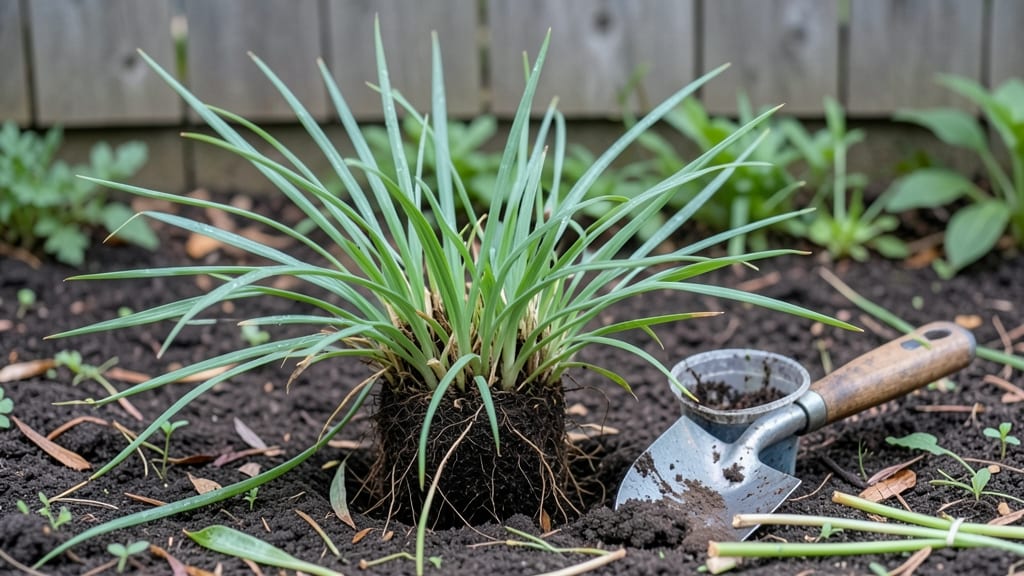
Planting lemon grass is like inviting a slice of tropical sunshine into your garden or windowsill—it’s shockingly easy once you know the right moves. 🌱 I used to think this herb demanded a greenhouse, but my first batch thrived in a simple pot on my patio, and now I’ve got three clumps going strong.
The secret isn’t fancy soil or special tools—it’s about mimicking its natural habitat with just a few key adjustments.
You’ll need well-draining soil, a sunny spot (at least 6 hours of light daily), and either a container with drainage holes or a spot in your garden where water won’t pool.
Lemon grass loves warmth and moisture but hates soggy roots, so think of it like a thirsty friend who needs good drainage. For containers, a 12-inch pot works perfectly for one plant, while garden beds need about 18 inches of space between clumps to give them room to spread.
Once planted, you’ll see those signature pale green stalks shooting up within weeks, and the citrusy aroma when you brush past them is unbeatable.
The first harvest comes in as little as 3 months, and with proper care, one plant can last for years—just divide the clumps every couple of years to keep them vigorous.
Whether you’re growing it in a pot on your balcony or tucked into a garden bed, lemon grass rewards patience with bold flavor and lush growth.
Fair warning: Overwatering is the fastest way to kill it, so let the top inch of soil dry out between waterings. And if you’re growing indoors, a south-facing window or grow light is non-negotiable—this tropical herb won’t tolerate dim corners.
With these simple steps, you’ll have fresh lemongrass for curries, teas, or cocktails in no time, and your neighbors will be asking where you got your magic herb.
📚 In This Guide
- What you need
- Instructions
- Tips and common mistakes
- Wrapping up and next steps
What you need
- ● Lemon grass plants: 2–4 healthy lemon grass stalks (preferably from a nursery or organic source). Look for thick, green stalks with firm roots.
- ● Containers (if growing in pots): 1–2 containers, 12–18 inches in diameter (minimum) with drainage holes. Terracotta or fabric pots work best.
- ● Potting mix or garden soil: Well-draining, slightly acidic to neutral soil (pH 6.0–7.0). Mix in 20% perlite or sand for better aeration.
- ● For containers: 1–2 gallons of potting mix per plant.
- ● Watering can or hose with a gentle spray nozzle (to avoid damaging tender leaves).
- ○ Fertilizer (optional but recommended): A balanced, water-soluble fertilizer (10-10-10 or 20-20-20) or organic options like compost or fish emulsion.
- ● Mulch: Straw or shredded leaves to retain moisture and regulate soil temperature.
- ● Slow-release fertilizer tablets or pellets for convenient, long-term nutrition.
- ● Pruning shears for trimming mature stalks (once established).
- ● Shade cloth (30–50%) if your climate has intense afternoon sun.
- ● Lemon grass companion plants: Try basil, mint, or cilantro for a fragrant herb garden!
Step-by-Step instructions for planting lemon grass
Here's the simple method I use to grow fragrant, fast-growing lemon grass year after year.
🪴 Step 1: Choose and Prepare Your Planting Spot
Lemon grass thrives in warmth and sun, so pick a location that gets at least 6 hours of sunlight daily. If planting in containers, use the 5-gallon pots from your supplies—they provide enough room for roots to spread while keeping the plant manageable. For ground planting, choose a spot with well-draining soil, or mix 2 parts potting mix with 1 part perlite to improve drainage if your soil is heavy.
Fill the pot or planting area with the potting mix until it's about 1 inch below the rim. Tap the container gently to settle the soil, then water it thoroughly until water runs freely from the drainage holes. This ensures the roots will find moisture immediately when you plant.
🌱 Step 2: Plant the Lemon Grass Cuttings
Take the 3 lemon grass stalks and trim off the lower 3-4 inches of each stalk, just above a node where roots will form. This is the part that will grow roots quickly. Remove any dried or yellow leaves from the bottom of the stalks—clean cuttings root faster and stay healthier.
Place one stalk in each pot or space them 6 inches apart in the ground. Push the trimmed end 1-2 inches deep into the soil, firming it gently around the stalk. If using containers, you’ll have 3 healthy plants ready to grow. Water lightly after planting to help settle the soil around the stalks.
☀️ Step 3: Provide Consistent Care for Growth
Lemon grass loves bright light and warm temperatures. Keep it in a spot where it gets full sun (or under a grow light if indoors). Water the plant once a week, letting the top 1-2 inches of soil dry out between waterings. Overwatering is the biggest mistake—it causes the roots to rot. You’ll know it’s time to water when the soil feels dry to the touch.
After 4-6 weeks, you’ll see new growth at the base of the stalks. This is your signal that the roots have taken hold. At this point, you can start harvesting the outer stalks, leaving the center ones to keep growing. Just cut the stalks at the base with a clean pair of scissors or pruners.
✂️ Step 4: Maintain and Harvest for Long-Term Growth
To keep your lemon grass thriving, harvest every 2-3 months by cutting the stalks back to 2-3 inches above the base. This encourages fresh, tender growth and prevents the plant from becoming woody. Always use clean scissors to avoid spreading disease.
If growing in containers, fertilize once a month during the growing season with a balanced liquid fertilizer (like the 1 bottle in your supplies). For ground-planted lemon grass, a light application of compost in the spring will provide enough nutrients. Watch for yellowing leaves—they’re a sign your plant needs more nutrients or water.
Tips & tricks for perfect lemon grass planting
Here's what I've learned after growing lemon grass for years—these little tricks make all the difference between healthy plants and struggling starts.
Root Formation Secret: When trimming your 3 lemon grass stalks in Step 2, look for the nodes—those little bumps along the stalk where roots will sprout. Trim just above a node, and you'll see roots forming in 2-3 weeks instead of waiting for the full 4-6 weeks. I always check the stalks before trimming to make sure I'm cutting above fresh, healthy nodes. This speeds up your growing process significantly!
Soil Preparation Tip: In Step 1, don't skip mixing that 1 part perlite with your potting mix if your soil doesn't drain well. Perlite creates air pockets that prevent waterlogging, which is lemon grass's biggest enemy. I've seen plants die from root rot after just two weeks when planted in heavy, compacted soil. For containers, use the 5-gallon pots—they're just the right size to give roots room to spread without becoming top-heavy.
Watering Wisdom: The once-a-week watering in Step 3 is perfect, but here's the trick: always water in the morning. This gives the soil time to dry out completely before nightfall, which prevents fungal growth. I stick my finger 1-2 inches into the soil—if it feels dry, that's your cue. Overwatering is the #1 reason lemon grass fails, so better to underwater slightly than drown it.
Harvesting Hack: When you're ready to harvest those outer stalks after 4-6 weeks, cut them at a 45-degree angle just above the base. This creates a larger surface area for new growth to emerge. I always use clean scissors to avoid spreading disease, and I leave the center stalks untouched—they'll keep producing while the outer ones regrow. This method keeps your plants productive for years!
Pro Tips for Plant Lemon Grass
- Here's what I've learned after growing lemon grass for years—these little tricks make all the difference between healthy plants and struggling starts.
- Root Formation Secret: When trimming your 3 lemon grass stalks in Step 2, look for the nodes—those little bumps along the stalk where roots will sprout.
- Soil Preparation Tip: In Step 1, don't skip mixing that 1 part perlite with your potting mix if your soil doesn't drain well.
Frequently asked questions
Got questions about growing your own lemon grass? Here are some common ones—and their answers!
Can I grow lemon grass in a pot, or does it need to be planted in the ground?
Lemon grass thrives in both containers and in-ground plantings! For pots, use at least a 12-inch-wide container with drainage holes. If planting outdoors, ensure well-draining soil and partial shade—especially in hotter climates. Just avoid soggy soil, as it can rot the roots.
How long does it take for lemon grass to grow and become harvest-ready?
With proper care, you can start harvesting lemon grass in 3–4 months! The stalks should reach about 12–18 inches tall before cutting. For the best flavor, harvest when the plant is mature but before it flowers. Regular trimming encourages bushier growth.
What’s the best temperature for growing lemon grass?
Lemon grass loves warmth—ideal temperatures range between 75–85°F (24–29°C). It’s sensitive to frost and won’t survive below 50°F (10°C). If you live in a cooler climate, grow it in containers and bring it indoors during winter or use a greenhouse.
Why is my lemon grass turning yellow or dying?
Yellowing or dying lemon grass is often due to overwatering or poor drainage. Ensure the soil is moist but not soggy—water only when the top inch feels dry. Lack of sunlight or nutrient deficiencies can also cause issues. If pests (like aphids) appear, treat with neem oil or insecticidal soap.
Can I regrow lemon grass from store-bought stalks?
Yes! Save the root end (about 2–3 inches) of store-bought lemon grass, trim the leaves, and place it in water or moist soil. Keep it in bright, indirect light until new shoots appear (usually in 2–4 weeks). Just avoid using stalks treated with preservatives—they won’t regrow.
Wrapping up and next steps
Planting lemon grass is a rewarding experience—whether you’re growing it in containers, in-ground, or even indoors!
With just a few simple steps and a little patience, you’ll enjoy fresh, aromatic stems for cooking, teas, or natural remedies. Remember: consistent moisture, bright light, and well-draining soil are your best friends for a thriving plant.
Now that you’re ready to grow, why not harvest and share? Try making homemade lemon grass tea, infuse oils, or gift a cutting to a fellow plant lover! 🌱✨