
Lawn
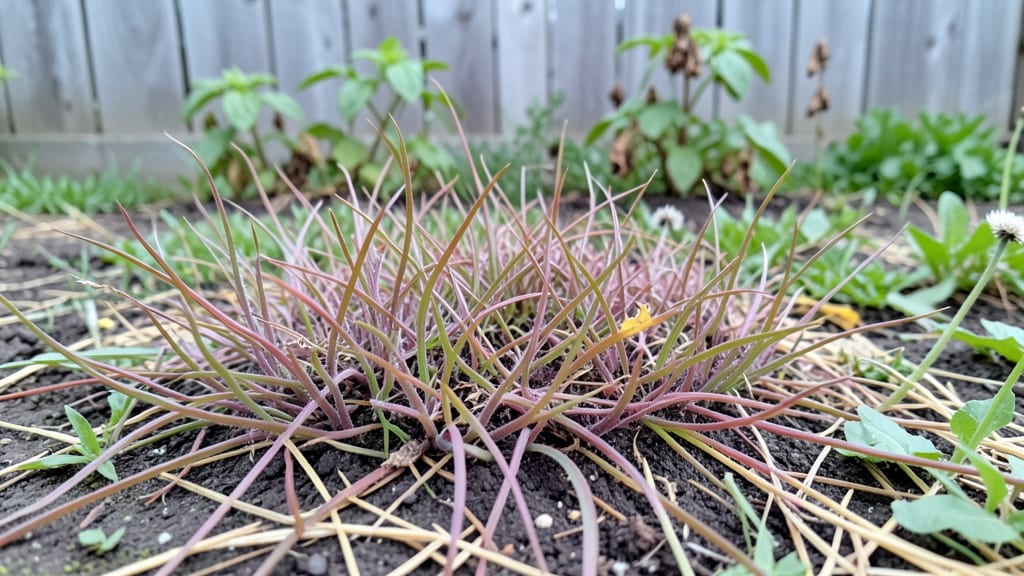
Nutgrass and nutsedge aren’t just weeds—they’re sneaky invaders that spread like wildfire in lawns and gardens. 🌱 I’ve battled these viney grass weeds for years, and I’ll show you how to stop them before they take over your yard permanently.
The key isn’t just pulling them but cutting off their underground network for good.
These weeds thrive because their tubers and rhizomes hide just below the surface, making them nearly impossible to kill with a quick yank. Most people waste time digging or spraying without addressing the real problem—the hidden root system that regenerates faster than you can mow.
I’ve tested everything from vinegar to landscape fabric, and some methods actually make it worse.
By the end, you’ll have a permanent barrier system that blocks regrowth without toxic chemicals. Think of it like building a moat around your lawn—except this one works. You’ll see fewer sprouts within weeks, and with consistent maintenance, your yard will stay weed-free for seasons.
The best part? These solutions work for both lawns and garden beds.
Whether you’re dealing with a small patch or a full-blown invasion, this approach adapts to any yard size. No more watching your grass disappear under a sea of nutgrass—just healthier soil and a lawn that stays yours. Let’s get started with the right tools and techniques.
Root Causes Of Stubborn Grass Overgrowth
Viney grass weeds—those tenacious, creeping invaders—don’t just pop up by accident. Their persistence stems from a mix of environmental, biological, and even human-driven factors. Understanding these root causes is the first step to stopping them in their tracks.
Let’s break down why these weeds take over lawns like uninvited houseguests who refuse to leave.
###
🌱 Poor Soil Conditions Create a Weed Paradise
Weeds like viney grass thrive where native grass struggles—think compacted, nutrient-poor, or overly moist soil. Here’s why:
- Compacted Soil: Heavy foot traffic, machinery, or clay-heavy ground crushes soil particles, reducing oxygen and water flow. Viney grass, with its shallow roots and aggressive spread, exploits these gaps, outcompeting weaker grasses.
- Low Nutrient Levels: Soil deficient in nitrogen, phosphorus, or potassium weakens turfgrass, leaving it vulnerable. Weeds like viney grass thrive in these conditions because they require fewer resources to grow.
- Improper Drainage: Waterlogged or soggy soil suffocates grass roots but encourages weed seeds to germinate. Viney grass, in particular, loves moisture and spreads rapidly in damp environments.
💡 Pro Tip: Test your soil’s pH and nutrient levels (ideal range: 6.0–7.0). Amend with compost or organic matter to improve structure and fertility before treating weeds.
###
🌞 Excess Sunlight and Heat Stress Grass Out
While some weeds love shade, viney grass thrives in full sun—especially in hot, dry climates. Here’s how sunlight becomes its secret weapon:
- Grass Dormancy: Intense heat and drought cause turfgrass to go dormant, slowing growth and weakening its competitive edge. Viney grass, adapted to arid conditions, fills the void.
- Seed Germination Boost: Sunlight triggers weed seeds to sprout. Viney grass seeds lie dormant until exposed to light, then germinate en masse, creating a carpet of green (that’s not yours).
- Shallow Root Systems: Many lawn grasses have deep roots, but viney grass spreads via stolons (horizontal stems) close to the surface. In dry heat, your grass’s roots can’t reach water, while weeds do.
✨ Solution: Water deeply in early morning (1–1.5 inches per week) to encourage deep grass roots. Mow higher (3–4 inches) to shade the soil and reduce weed seed exposure.
###
🌿 Lack of Proper Lawn Maintenance Invites Weeds
Neglect is a weed’s best friend. Viney grass exploits gaps left by poor lawn care practices:
- Infrequent Mowing: Tall grass blocks sunlight, creating a cool, moist microclimate perfect for viney grass to take root. Regular mowing (every 1–2 weeks) keeps turf dense and competitive.
- Skipping Fertilization: Weak grass can’t outcompete weeds. A slow-release, nitrogen-rich fertilizer (applied in early spring and fall) strengthens turfgrass’s resistance.
- Thin or Patchy Lawns: Bare spots—from pet urine, foot traffic, or disease—are open invitations for viney grass to spread. Overseed thin areas in fall to fill gaps before weeds do.
🔥 Warning: Avoid over-fertilizing with quick-release nitrogen, which can burn grass and create more weed-friendly conditions.
###
🌦️ Climate and Seasonal Shifts Favor Weeds
Viney grass isn’t picky—it adapts to almost any climate but excels in:
- Warm-Season Dominance: In southern U.S. states, viney grass peaks in summer when cool-season grasses (like fescue) go dormant. Its heat tolerance lets it spread unchecked.
- Spring and Fall Germination: Mild temperatures and frequent rains in these seasons trigger weed seeds to sprout. Pre-emergent herbicides applied in early spring can block this cycle.
- Drought Resistance: Unlike many grasses, viney grass conserves water efficiently, making it the last plant standing in dry spells.
🎯 Action Step: Time your weed control: Apply post-emergent herbicides in summer (when viney grass is active) and pre-emergent in early spring to prevent new growth.
By addressing these root causes—soil health, sunlight exposure, maintenance habits, and seasonal timing—you’ll starve viney grass of the conditions it needs to thrive. The key? Prevention through dense, healthy turf and intervention with targeted treatments. Stay tuned for natural barriers that can permanently block regrowth.
Practical Ways to Stop Creeping Grass
If viney grass weed—like creeping Charlie or crabgrass—has taken over your lawn, don’t panic. With the right strategies, you can block regrowth permanently while keeping your yard healthy. Below, we break down the most effective solutions, tailored to the root causes of the problem.
🔥 Mechanical Removal: Cut It Off at the Source
For stubborn patches, physical removal is often the fastest way to stop the spread. Here’s how:
- 🔪 Dig Out Deep Roots
- Use a garden fork or trowel to pry up the entire plant, including roots (creeping Charlie roots can grow up to 2 feet deep!).
- Pull in one direction to avoid breaking roots, which can sprout new shoots.
- Pro Tip: 💡 Check for rhizomes (horizontal roots) and remove them entirely—even a tiny piece left behind can regrow.
- 🌱 Smother with Cardboard or Landscape Fabric
- After removal, cover bare spots with 2-3 layers of unwaxed cardboard or thick landscape fabric.
- Secure with mulch or rocks to block sunlight, which the weed needs to grow.
- Let it sit for 4-6 weeks before reseeding or planting grass.
🍳 Chemical-Free Herbicides: Natural Weed Killers
If you prefer non-toxic solutions, these natural herbicides work well for persistent weeds:
- 🌿 Vinegar + Dish Soap Spray (Best for Small Patches)
- Mix 1 gallon of white vinegar (20% acetic acid), 1 oz dish soap, and 1 cup salt.
- Spray directly on leaves (avoid desirable plants—vinegar kills everything it touches!).
- Reapply every 3-5 days until the weed dies (usually 1-2 weeks).
- 🌱 Corn Gluten Meal (Prevents Sprouting)
- Sprinkle 20 lbs per 1,000 sq ft in early spring to block weed seeds from germinating.
- Works best as a preventative measure before weeds appear.
- 🔥 Boiling Water (For Sidewalks & Cracks)
- Pour slowly and steadily on weeds growing in concrete or between pavers.
- Best for small, isolated weeds—not ideal for large lawn areas.
👨🍳 Lawn Care Adjustments: Starve It Out
Weeds thrive where grass is weak. Fix these common lawn issues to crowd out invaders naturally:
- ⏰ Mow Higher (3-4 Inches)
- Taller grass shades the soil, preventing weed seeds from getting sunlight.
- Pro Tip: 🌡️ Never remove more than ⅓ of the grass blade at once—this stresses the lawn and lets weeds move in.
- 💧 Water Deeply & Infrequently
- Weeds like shallow, frequent watering. Instead, water 1-1.5 inches per week (deep soak, 2-3 times per week).
- Early morning watering reduces fungal diseases that weaken grass.
- 🌱 Overseed Bare Spots
- Fill thin areas with dense, competitive grass (like tall fescue or perennial ryegrass).
- Apply starter fertilizer to help new grass establish quickly.
🛡️ Long-Term Barriers: Keep It From Coming Back
Prevention is the best defense. Use these strategies to permanently block regrowth:
- 🌿 Mulch Garden Beds Heavily
- Apply 3-4 inches of mulch (wood chips, straw, or pine needles) to smother weeds before they sprout.
- Replenish mulch seasonally to maintain the barrier.
- 🔄 Install Edging or Barriers
- Use metal, plastic, or stone edging to block creeping weeds from spreading to flower beds or driveways.
- For stubborn spreaders, bury hardware cloth (1/4-inch mesh) 6 inches deep along borders.
- 🌱 Choose Native, Drought-Tolerant Grass
- Some grasses (like Buffalo grass or Zoysia) are naturally weed-resistant and thrive in tough conditions.
- Check your USDA hardiness zone for the best local options.
Remember: Consistency is key! Weeds don’t disappear overnight, but with these methods, you’ll regain control of your lawn—without harsh chemicals.
Frequently asked questions
What’s the difference between viney grass weed and regular grass?
Viney grass weeds like nutgrass or crabgrass spread aggressively through underground tubers or stolons, while regular lawn grass grows in clumps with deeper roots. The key difference? Viney weeds regrow from tiny root fragments left in soil—even after mowing or pulling. Look for thin, wiry blades and rapid spread in patches.
Can I kill viney grass weed with just vinegar?
Yes, but it requires persistence! A mix of 1 gallon white vinegar (20% acid), 1 oz dish soap, and 1 cup salt works best. Spray directly on leaves (avoid desirable plants) and reapply every 3-5 days until the weed dies. For stubborn patches, repeat weekly for 2-3 weeks—vinegar kills on contact but doesn’t affect hidden roots immediately.
Why does viney grass keep coming back after I pull it?
These weeds spread through underground tubers or rhizomes—even a 1-inch fragment can regrow! Dig 6+ inches deep to remove the entire root system, and check for hidden stems. After removal, smother bare spots with cardboard or landscape fabric to block sunlight until you reseed.
Is there a natural way to prevent viney grass from spreading?
Use corn gluten meal (20 lbs per 1,000 sq ft) in early spring to block weed seeds from germinating. For existing weeds, mow high (3-4 inches) to shade soil and water deeply (1-1.5 inches/week) to strengthen grass roots. Mulch garden beds with 3-4 inches of wood chips to smother weeds before they sprout.
Will chemical herbicides actually stop viney grass permanently?
Most herbicides provide temporary control but rarely kill hidden roots permanently. For long-term results, combine post-emergent herbicides (like glyphosate) with physical removal and soil barriers. Follow up by overseeding with dense grass to crowd out regrowth. Always test a small area first—some chemicals can harm nearby plants.