
Lawn
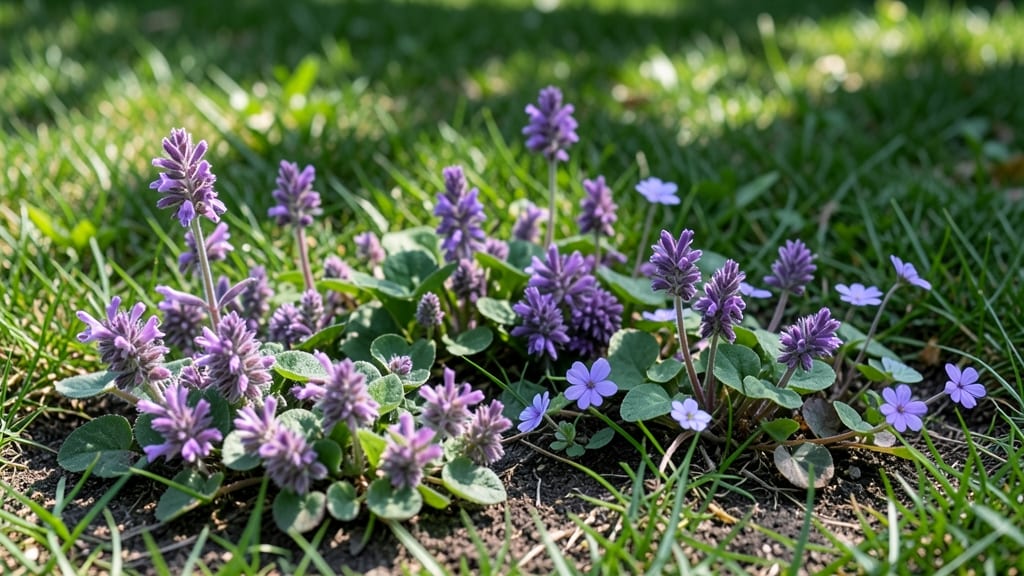
Those stubborn purple weeds growing in the lawn? ✨ I’ve battled them for years, and I’ll show you how to wipe them out in 24 hours—no harsh chemicals needed. The secret’s a simple vinegar spray that works fast and keeps your grass looking lush.
Most purple weeds like clover or chickweed thrive because your lawn is weak. Overwatering, poor soil, or too much shade gives them the upper hand. But with the right spray and a little lawn care, you’ll crowd them out for good.
You’ll see results within a single day—weeds wilting and disappearing as your grass reclaims space. The spray’s easy to make with ingredients you likely already have, and it’s safe for pets once fully dried. This method works for any lawn, from small patches to full yards.
Let’s get those weeds gone for good!
Understanding the Root Causes
If your lawn is suddenly dotted with purple weeds (often henbit, chickweed, or purple deadnettle), don’t panic—understanding why they’re thriving is half the battle. These weeds don’t just appear out of nowhere; they’re opportunistic survivors taking advantage of specific conditions in your yard.
Below, we break down the science-backed reasons behind their unwelcome growth, so you can address the real issues and reclaim your lawn.
Purple weeds love moisture, and if your lawn stays soggy for too long, you’re essentially rolling out a welcome mat. Here’s why:
- Excess water dilutes soil nutrients, weakening grass roots and creating ideal conditions for weeds. Many purple weeds, like henbit, germinate in cool, damp soil—common in early spring or after heavy rains.
- Compacted or clay-heavy soil holds water like a sponge, preventing grass from establishing deep roots. Weeds, with their shallow but aggressive root systems, outcompete struggling turf.
- Irrigation habits matter: Overhead sprinklers can create puddles, while inconsistent watering (like deep soaks followed by drought) stresses grass, leaving gaps for weeds to invade.
Actionable fix: Test your soil’s drainage (dig a 12-inch hole—if water pools after 6 hours, you’ve got poor drainage). Adjust your watering schedule to 1–1.5 inches per week, early in the morning to reduce evaporation.
Purple weeds often thrive in extreme conditions—either full sun (where grass wilts) or deep shade (where grass starves for light). Here’s the science:
- Full-sun lawns can suffer from drought stress, especially in hot climates. Weeds like purple deadnettle tolerate heat better than cool-season grasses (e.g., fescue or ryegrass), so they fill in the gaps.
- Shady areas (under trees or fences) block sunlight, weakening grass. Many purple weeds, such as chickweed, are shade-tolerant and spread via tiny seeds carried by wind or animals.
- Thin or patchy grass (from foot traffic, pets, or disease) lets weeds steal sunlight and nutrients.
Actionable fix:
- For sun stress: Choose drought-resistant grasses (e.g., Bermuda or Zoysia) or overseed with shade-tolerant varieties like fine fescue.
- For shade: Improve light penetration by thinning tree branches or aerating compacted soil to help grass roots access nutrients.
Weeds don’t just pop up—they hijack resources when your lawn is nutritionally deficient. Purple weeds often indicate:
- Low nitrogen: Grass needs nitrogen for lush growth, but weeds like henbit can thrive in nitrogen-poor soil. If your lawn looks pale or yellowish, it’s signaling a deficiency.
- High phosphorus: While grass prefers balanced NPK (nitrogen-phosphorus-potassium), weeds like chickweed flourish in phosphorus-rich soil (common in lawns fertilized heavily for quick greening).
- pH imbalances: Purple weeds often appear in slightly acidic soil (pH 6.0–6.5). If your soil pH is too low, grass struggles to absorb nutrients, while weeds adapt easily.
Actionable fix:
- Test your soil’s pH and nutrients (DIY kits or a local extension office). Aim for a pH of 6.0–7.0 for most grasses.
- Apply a slow-release nitrogen fertilizer (like 30-0-4) in early spring to outcompete weeds.
- Avoid over-fertilizing with phosphorus—stick to a balanced formula (e.g., 10-10-10).
Weeds are masters of exploiting disruption. Whether from construction, foot traffic, or even aeration gone wrong, disturbed soil creates the perfect seedbed for purple weeds. Here’s how it happens:
- Exposed soil (from digging, aerating, or even mowing too short) lets weed seeds—often dormant in the soil for years—germinate in sunlight.
- Compacted layers (from heavy foot traffic or machinery) prevent grass roots from penetrating deeply, while weed roots (like those of henbit) spread aggressively in the topsoil.
- Organic matter depletion: Over-tilling or removing thatch can strip away beneficial microbes and nutrients, leaving weeds to dominate.
Actionable fix:
- After disturbing soil (e.g., aerating), reseeds or lays sod immediately to block weed seeds.
- Use a garden fork or core aerator to relieve compaction—do this in fall for cool-season grasses.
- Top-dress with compost (¼ inch) to improve soil structure and suppress weeds naturally.
Stressed grass is weak grass—and purple weeds are quick to move in. Common culprits include:
- Grass diseases like brown patch or dollar spot create bare spots where weeds like chickweed take hold.
- Insect damage (e.g., grubs, chinch bugs) weakens roots, making grass vulnerable to weed invasion.
- Fungal infections from overwatering or poor airflow (e.g., thick thatch) can kill grass, leaving gaps for weeds.
Actionable fix:
- Inspect for pests (look for chewed blades or sawdust-like frass from grubs). Treat with beneficial nematodes or insecticidal soap.
- Improve airflow by mowing high (3–4 inches) and dethatching if needed.
- Apply a fungicide (like propiconazole) if you spot circular dead patches.
How to Fix Purple Weeds Fast
Discovering unsightly purple weeds creeping into your lawn can feel like a battle against an invasive army—but don’t worry! With the right approach, you can reclaim your yard without harsh chemicals. Below, we break down the most effective solutions, tailored to the root causes of your weed problem.
Whether it’s poor soil health, overwatering, or compacted grass, we’ve got you covered with practical, eco-friendly fixes. Plus, we’ll share pro tips to keep weeds at bay for good.
If your lawn stays soggy or gets waterlogged after rain, purple weeds like henbit or chickweed thrive in these damp conditions. Here’s how to dry things out and starve them out:
💧 Step 1: Adjust Your Watering Schedule
Overwatering is a common culprit. Instead of daily light sprinkles, switch to:
- Deep but infrequent watering: Water early in the morning (4–8 AM) for 30–45 minutes, 2–3 times per week.
- Avoid evening watering: Wet grass at night creates humidity, inviting weeds and fungal growth.
🌱 Step 2: Improve Soil Drainage
Compacted or clay-heavy soil traps moisture. Loosen it up with:
- Aeration: Rent a core aerator (or hire a pro) to pull small soil plugs, letting water and air penetrate deeper.
- Organic matter: Mix in 1–2 inches of compost or coarse sand to improve drainage over time.
🌡️ Step 3: Let the Sun Work Its Magic
Weeds need moisture to survive. Once soil dries out:
- Skip watering for 1–2 weeks to weaken weeds naturally.
- Use a mulch layer (straw or wood chips) around garden edges to block weed seeds.
Purple weeds like dandelions or clover sneak in where grass struggles to grow—often in shady spots or thin patches. Fix it with these grass-boosting moves:
🌿 Step 1: Overseed Bare Spots
Fill thin areas with shade-tolerant grass seed (like fine fescue or creeping red fescue):
- Rake out debris and loosen soil.
- Spread seed evenly, then top with a thin layer of compost.
- Water lightly daily until germination (7–14 days).
🍃 Step 2: Mow Higher in Shady Areas
Taller grass (3–4 inches) shades out weeds. Adjust your mower height and:
- Leave clippings on the lawn to return nutrients to the soil.
- Avoid mowing when grass is wet to prevent disease.
✨ Pro Tip: Feed Your Grass
Weak grass = weed paradise. Apply a slow-release fertilizer in early spring and fall to strengthen roots. Look for one with iron to green up thin patches.
For stubborn purple weeds, a homemade vinegar spray is a fast, natural solution. Here’s the 24-hour recipe:
🍳 Mix the Spray (Safe for Most Lawns)
Combine in a gallon sprayer:
- 1 gallon white vinegar (20% acetic acid)
- 1 cup salt (enhances effectiveness)
- 1 tbsp dish soap (helps stick to weeds)
👨🍳 Apply Precisely (Avoid Grass Damage)
Spray only the weeds on a sunny day (not windy). Reapply every 2–3 days until weeds die (usually 3–7 days).
⚠️ Warning: Vinegar can kill grass if overused. Test a small area first and avoid spraying broadleaf plants or flowers.
🌱 Post-Treatment Care
- Rake dead weeds and dispose of them (don’t compost—they’ll resprout!).
- Reseed bare spots immediately to prevent regrowth.
An ounce of prevention beats a pound of vinegar spray! Use these long-term strategies:
💡 Maintain a Healthy Lawn
- Mow regularly (never cut more than ⅓ of the grass blade at once).
- Test soil pH (ideal: 6.0–7.0) and amend with lime or sulfur if needed.
🌡️ Control Moisture Year-Round
- Install a rain gauge to track watering needs.
- Use soaker hoses for deep, efficient watering.
🎯 Block Weed Seeds Early
- Apply a pre-emergent herbicide (like corn gluten meal) in early spring to stop seeds from germinating.
- Walk on your lawn regularly to crush weed seedlings before they take root.
With these targeted fixes, your lawn will go from weed wonderland to lush green paradise in no time. Start with the solutions that match your lawn’s biggest weaknesses, and soon you’ll be the envy of the neighborhood! 🌿✨
Frequently asked questions
What are the most common types of purple weeds in lawns?
You're likely dealing with henbit, chickweed, or purple deadnettle. These weeds thrive in moist, compacted soil and often appear in early spring. Henbit has jagged leaves and purple flowers, while chickweed has smooth, oval leaves and tiny white flowers. Purple deadnettle resembles mint with square stems and purple blossoms.
Will vinegar spray harm my grass or pets?
The vinegar solution is safe for pets once fully dried, but should never be applied to grass. Always spray only the weeds on sunny days. For pets, wait 24 hours after treatment before letting them back on the lawn. Test a small area first to ensure your grass type can handle the acidity.
How do I prevent purple weeds from coming back?
Focus on improving your lawn's health: mow at 3-4 inches to shade out weeds, aerate compacted soil annually, and maintain proper watering (1-1.5 inches per week). Apply a pre-emergent herbicide like corn gluten meal in early spring to block new seeds. Regularly walk on your lawn to crush young seedlings before they establish.
Can I use boiling water to kill purple weeds?
Yes! Boiling water works well for spot treatment of small weed patches. Pour it directly on the weeds (avoid grass) and repeat every 2-3 days until they die. This method is chemical-free but requires more frequent applications than vinegar spray. Best used for isolated weeds rather than large infestations.
Why do purple weeds keep coming back even after treatment?
Persistent weeds usually indicate underlying issues: poor soil drainage, compacted soil, or weak grass. Check your watering habits (overwatering invites weeds) and soil pH (6.0-7.0 is ideal). Weeds also spread via wind-blown seeds, so remove all dead plants completely and reseeds bare spots immediately.