
Flowers
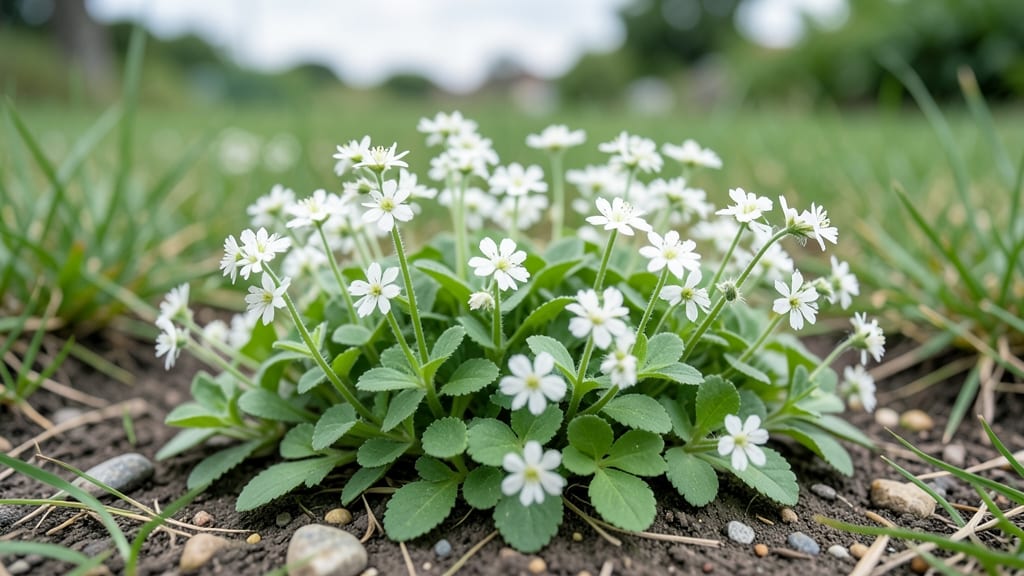
Those tiny white flowers popping up in your lawn might look pretty, but they’re often weeds like chickweed or clover stealing nutrients from your grass. 🌱 I’ve spent years battling them, and the key is knowing which ones to remove—and which ones might actually be helping your lawn.
The worst offenders are chickweed and henbit, which spread aggressively in spring. They thrive where grass is weak, so proper mowing and fertilization make all the difference. Set your mower to 3-4 inches and avoid over-fertilizing—both create the perfect conditions for weeds to take over.
Once you identify the culprits, you can tackle them naturally. Hand-pulling works for small patches, while a mix of corn gluten meal (pre-emergent) and overseeding keeps them out long-term. The result? A denser lawn that crowds out weeds before they bloom.
This method works for any grass type, from fescue to Bermuda. The secret is consistency—once you break the weed cycle, your lawn stays thick and healthy year-round.
Unwanted Blooms Explained
Those delicate tiny white flowers popping up in your lawn aren’t just a cosmetic nuisance—they’re often a sign of underlying issues in your grass ecosystem. Understanding the root causes (literally!) helps you tackle the problem effectively. Here’s why these unwanted blooms appear and what’s really going on beneath the surface.
Most lawn weeds, including those producing tiny white flowers, thrive in compacted, nutrient-poor, or overly acidic soil. Here’s how it breaks down:
- Compacted Soil: Heavy foot traffic, machinery, or clay-heavy soil compresses the root zone, preventing grass from establishing deep roots. Weeds like chickweed or clover (which produce tiny white blooms) fill the gaps because they adapt to low oxygen and poor drainage.
- Nutrient Deficiencies: If your lawn lacks nitrogen, phosphorus, or potassium, grass struggles to outcompete weeds. Tiny white-flowered weeds like dandelions or henbit exploit these weak spots by growing rapidly in sparse areas.
- pH Imbalances: Soil pH below 6.0 (too acidic) or above 7.5 (too alkaline) stresses grass roots. Many broadleaf weeds, including those with white flowers, prefer these extremes because they can tolerate acidic conditions better than turfgrass.
Actionable Fix: Test your soil (DIY kits are affordable) and amend it with compost, gypsum (for compaction), or lime/sulfur to adjust pH. Aerate annually to relieve compaction and encourage deep grass roots.
Watering habits directly impact weed growth. Tiny white-flowered weeds often dominate lawns with:
- Excessive Moisture: Weeds like creeping Charlie (ground ivy) or white clover love damp conditions. Overwatering (or poor drainage) creates a haven for these shallow-rooted plants, which outcompete grass for water.
- Inconsistent Watering: Shallow, frequent watering (e.g., daily light sprinkles) encourages weeds to germinate and thrive, while deep, infrequent watering (1–1.5 inches per week) strengthens grass roots. Dandelions and chickweed, for example, germinate in moist, disturbed soil.
- Morning vs. Evening Watering: Watering late in the day promotes fungal growth and keeps soil soggy longer—ideal for weeds. Early morning watering allows grass to dry quickly, deterring weed seeds.
Actionable Fix:
- Adjust your watering schedule to deep and infrequent (1–2 times per week, early morning).
- Check for drainage issues—grade your lawn to slope away from structures, or install French drains if water pools.
- Avoid sprinklers that create puddles; use soaker hoses or rain gauges for precision.
Weeds move in when grass is weak. Tiny white-flowered weeds often dominate lawns with:
- Thin Grass Patches: Bare spots from disease, pests, or poor seeding create open spaces where weeds like prostrate spurge or white clover take hold. These weeds spread via stolons or seeds, filling gaps aggressively.
- Dormant or Stressed Grass: Heat, drought, or fungal infections (like brown patch) weaken grass, reducing its ability to shade out weeds. Weeds with tiny white flowers, such as henbit, germinate in these stressed conditions.
- Improper Mowing: Cutting grass too short (below 2–3 inches) exposes soil to sunlight and heat, encouraging weed seeds to germinate. Conversely, leaving clippings too long can smother grass.
Actionable Fix:
- Reseed bare patches with dense, shade-tolerant grass varieties (e.g., fine fescue or Kentucky bluegrass).
- Adjust mower height to 3–4 inches to promote deep roots and shade out weeds.
- Apply a pre-emergent herbicide in early spring to prevent weed seeds from sprouting before grass fills in.
Some tiny white-flowered weeds are seasonal invaders, thriving due to specific environmental conditions:
| Weed Type | Peak Season | Why It Blooms |
|---|---|---|
| Chickweed | Fall & Spring | Cooler temps (50–70°F) trigger germination. It thrives in disturbed, moist soil, often after winter thaw. |
| Henbit | Winter & Early Spring | Grows rapidly in mild winters, especially in nitrogen-rich soil left by fall fertilizers. |
| Dandelions | Spring & Fall | Deep taproots access water in dry spells, and they bloom when days lengthen (spring) or shorten (fall). |
| White Clover | Year-Round (Peaks Spring) | Fixes nitrogen in soil but spreads via stolons in compacted or low-mow lawns. |
Actionable Fix:
- Time interventions: Apply corn gluten meal (a natural pre-emergent) in late winter to block chickweed/henbit seeds.
- Mulch heavily in fall to smother winter weeds like henbit.
- Hand-pull dandelions in early spring before they go to seed.
Pro Tip: 💡 Most tiny white-flowered weeds are opportunists. By addressing soil health, watering habits, and grass density, you starve them out before they even bloom. Start with one fix at a time—e.g., aerate this month, adjust watering next month—to see lasting results.
How to solve it
Discovering unwanted tiny white flowers popping up across your lawn can feel like an invasion, but the good news? Most of these pesky plants respond well to targeted, eco-friendly solutions.
Below, we’ve broken down the most common causes of these floral intruders and matched them with practical, step-by-step fixes—plus tips to keep your lawn lush and weed-free long-term. Let’s reclaim your green space, one bloom at a time! 🌱✨
These low-growing weeds thrive in moist, shaded lawns and spread rapidly, carpeting your grass with delicate white flowers. Their fuzzy leaves and sprawling habit make them a nuisance, but they’re also one of the easiest to control.
How to Fix It:
- 🔥 Hand-Pulling (Best for Small Patches)
- Wait for damp soil after rain—weeds pull out cleaner when moist. 🌧️
- Grasp the weed at its base (where the roots meet the soil) and tug firmly. Use a pair of gloves to avoid skin irritation from sap.
- Check for remaining root fragments and pull those too—even tiny pieces can regrow!
- 🍳 Vinegar Spray (Organic Herbicide)
- Mix 1 gallon of white vinegar + 1 cup of dish soap + 2 tbsp of salt in a spray bottle.
- Spray directly on the weeds (avoid healthy grass) on a sunny day—the heat helps the solution work faster.
- Reapply every 3–4 days until the weeds turn brown and crispy. ⏰
- 👨🍳 Corn Gluten Meal (Preventative Barrier)
- Sprinkle 20 lbs of corn gluten meal per 1,000 sq ft of lawn in early spring or fall.
- Water lightly to activate. This natural pre-emergent stops weed seeds from germinating.
💡 Prevention Tips:
- Improve lawn drainage—chickweed loves soggy spots. Consider aerating compacted soil. 🌡️
- Mow your lawn higher (3–4 inches) to shade out weeds and retain moisture.
- Apply a thick layer of mulch (like straw or wood chips) in garden beds to block light.
While dandelions and clovers might seem harmless (or even pretty), their persistent roots and prolific seed production can take over if left unchecked. These weeds also indicate compacted or nutrient-poor soil, so addressing them means giving your lawn a health boost.
How to Fix It:
- 🔪 Digging Tool (For Dandelions)
- Use a dandelion digger (or a screwdriver) to twist and pull the taproot out of the ground.
- If the root snaps, dig deeper—even a 1-inch piece can regrow! 🌱
- 🥘 Boiling Water Treatment (Spot Treatment)
- Pour 1 quart of boiling water directly over the weed’s base. This kills the plant without harming grass.
- Best for small, isolated patches—avoid using on large areas.
- 🌡️ Soil Aeration + Overseeding (Long-Term Fix)
- Rent a core aerator to pull small soil plugs from your lawn (this relieves compaction).
- Spread high-quality grass seed and top-dress with compost to crowd out weeds.
- Water deeply 2–3 times per week until the new grass establishes (about 4–6 weeks).
🎯 Prevention Tips:
- Test your soil’s pH—dandelions thrive in alkaline soil (pH > 7.0). Adjust with sulfur if needed. 📊
- Apply a layer of compost (½ inch) to improve soil health and outcompete weeds.
- Mow regularly and never remove more than ⅓ of the grass blade at once to avoid stressing the lawn.
These low-growing weeds form dense mats and produce clusters of tiny white or purple flowers. They’re especially stubborn because their roots run horizontally, making them hard to eradicate with shallow methods.
How to Fix It:
- 🍳 Salt Vinegar Solution (For Large Areas)
- Mix 1 gallon vinegar + 1 cup salt + 1 tbsp dish soap in a sprayer.
- Spray only the weeds (avoid grass) on a warm, sunny day.
- Reapply every 5–7 days until the weeds die. ⚠️ Use cautiously near edible plants.
- 🔪 Smothering (For Heavy Infestations)
- Lay down cardboard or thick layers of newspaper over the affected area.
- Cover with 3–4 inches of mulch (straw or wood chips) to block light.
- Wait 4–6 weeks—the weeds will decompose, and you can reseed or replant. 🌱
- 🌡️ Pre-Emergent Herbicide (Timing Is Key)
- Apply a natural pre-emergent like corn gluten meal in early spring before weeds sprout.
- For existing weeds, use a post-emergent herbicide like clove oil spray (2 tbsp clove oil + 1 gallon water + dish soap).
✨ Prevention Tips:
- Improve air circulation by thinning dense shrubs or trees shading your lawn.
- Water deeply but infrequently to encourage deep grass roots, which outcompete weeds.
- Consider shade-tolerant grass varieties like fine fescue if your lawn gets little sunlight.
Remember: Consistency is key! Weeds return when conditions favor their growth. By combining manual removal, natural treatments, and lawn care best practices, you’ll create an environment where your grass thrives—and those tiny white flowers become
Frequently asked questions
Are tiny white flowers in my lawn always weeds?
Not always! While many tiny white flowers like chickweed or henbit are weeds, some—such as white clover—can actually benefit your lawn by fixing nitrogen in the soil. The key is identifying them: if they spread aggressively or crowd out grass, they're likely weeds. Always pull or treat them before they go to seed.
Why do these flowers appear suddenly in spring?
Spring's mild temperatures and increased moisture create perfect conditions for weeds like chickweed and henbit to germinate. These plants thrive in cool, damp soil and often pop up after winter when grass is still dormant. Proper lawn care—like overseeding and adjusting mowing height—can prevent their takeover.
What’s the fastest way to remove tiny white flowers from my lawn?
For small patches, hand-pulling after rain is the quickest method. For larger areas, a vinegar spray (1 gallon vinegar + 1 cup dish soap) works within 3-5 days. Always target the base of the plant, and avoid spraying healthy grass. For stubborn weeds, smothering with cardboard and mulch is a long-term solution.
Will corn gluten meal really stop these flowers from coming back?
Yes! Corn gluten meal is a natural pre-emergent that prevents weed seeds from sprouting. Apply 20 lbs per 1,000 sq ft in early spring or fall, then water lightly. It’s safe for grass and soil, but won’t kill existing weeds—use it as a preventative measure. For established weeds, combine it with hand-pulling or vinegar spray.
Can I use commercial herbicides safely around pets?
Most commercial herbicides contain chemicals that can harm pets, especially dogs who may lick treated grass. Opt for pet-safe alternatives like vinegar, boiling water, or manual removal. If you must use chemicals, choose 2,4-D-free products and keep pets off the lawn for 48 hours after application. Always read labels carefully!