
Lawn
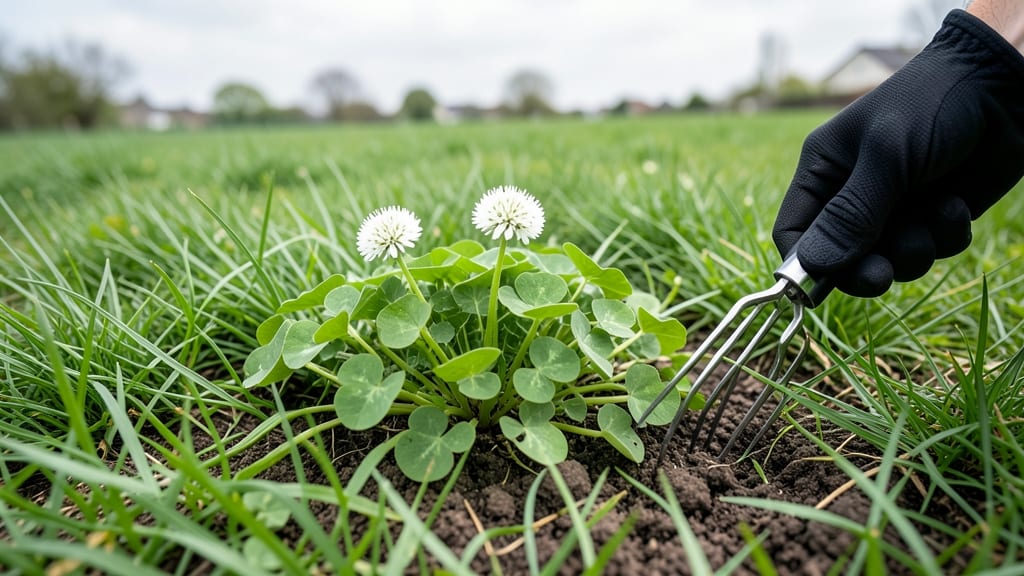
That stubborn clover like a weed in lawn, creeping through your grass like an uninvited guest? 🌱 I've battled it for years in my backyard, and I finally cracked the code to reclaiming a lush, clover-free yard without harsh chemicals.
The key isn't brute force—it's understanding why clover thrives and how to starve it out naturally.
Clover spreads so aggressively because it fixes nitrogen in the soil while your grass struggles. Most people overwater, over-fertilize, or use chemical sprays that disrupt the whole ecosystem. Instead, we'll focus on three simple strategies: manual removal, smart mowing, and boosting your grass's natural defenses.
My lawn went from patchy to thick within two growing seasons using these methods.
By the end, you'll have a lawn that crowds out clover naturally—think dense, vibrant grass that chokes out those three-leafed invaders before they take hold. The best part? You'll save money on lawn treatments and create a healthier environment for your soil and local pollinators.
Works for any grass type, from bluegrass to fescue, and adapts to different climates. Let's get your lawn back to the thick, green carpet you envisioned when you first planted it.
Why Your Lawn Becomes a Weed Magnet
If you’ve ever stared at your lawn and thought, "Why is this clover-like weed taking over?"—you’re not alone. Understanding the root causes (literally!) of why these resilient plants thrive in your yard is the first step to reclaiming your green space.
Below, we break down the science-backed reasons behind their persistence, so you can tackle them head-on with natural solutions.
Clover-like weeds—often white clover (Trifolium repens) or microclover (Trifolium species)—love lawns that are stressed or neglected. Here’s why:
- Low Nitrogen Soil: Turfgrass thrives on nitrogen, but when lawns are deficient (common in sandy or clay-heavy soils), clover steps in. These weeds are nitrogen-fixers, meaning they pull nitrogen from the air and enrich the soil—making them competitive against weak grass.
- Compacted or Poor Drainage: Heavy foot traffic, construction, or clay soil can compact the ground, preventing water and nutrients from reaching grass roots. Clover-like weeds, with their shallow but sprawling root systems, thrive in these conditions because they don’t need deep soil to survive.
- High pH (Alkaline Soil): Most lawn grasses prefer slightly acidic soil (pH 6.0–7.0). If your soil tests high (above 7.0), grass struggles, while clover-like weeds flourish in alkaline environments.
Actionable Fix: Test your soil’s pH and nutrient levels with a DIY kit. Amend compacted soil with compost or gypsum, and fertilize with a slow-release nitrogen-rich formula (like a 30-0-4 blend) to crowd out weeds naturally.
Grass under duress is like an open door for clover-like weeds. Here’s how mowing habits play a role:
| Problem | Why It Helps Weeds |
|---|---|
| Cutting Grass Too Short | Grass blades shorter than 2–3 inches weaken the roots, reducing competition. Clover-like weeds, with their low-growing habit, fill the gaps quickly. |
| Inconsistent Mowing | Skipping mowing sessions lets grass grow tall and shade out sunlight, but then scalping it (cutting too low after neglect) stresses it further. Weeds seize the opportunity. |
| Mowing in Wet Conditions | Damp grass tears easily, creating open wounds that invite weed seeds to germinate. Plus, clover-like weeds reproduce via stolons (runners), which spread faster in disturbed soil. |
Actionable Fix:
- 🔪 Mow regularly but never remove more than ⅓ of the blade height at once.
- ⏰ Mow when grass is dry (early morning or late afternoon).
- 🌱 Keep grass tall (3–4 inches) to shade out weeds and encourage deep roots.
Watering is a double-edged sword. Too much or too little can turn your lawn into a weed buffet. Here’s how:
- Overwatering: Grass needs 1–1.5 inches of water per week, but many homeowners overdo it. Excess moisture drowns grass roots while clover-like weeds, adapted to moist but well-drained soil, spread aggressively via their runners.
- Underwatering: Drought-stressed grass turns brown and stops competing with weeds. Clover-like species survive drought better thanks to their deep taproots (in some cases) or shallow but efficient water uptake.
- Irregular Watering: Sprinkling at random times (e.g., midday) leads to uneven moisture, creating patches where grass recovers slowly—weeds move in.
Actionable Fix:
- 🌡️ Water deeply but infrequently—aim for 1–1.5 inches per week, including rain.
- ⏰ Water early morning (4–8 AM) to reduce evaporation and fungal risks.
- 🎯 Use soaker hoses or drip irrigation for even distribution (avoid sprinklers that waste water).
Clover-like weeds don’t just pop up—they hitchhike into your lawn via:
- Wind and Animals: Lightweight seeds (like those of white clover) travel on breezes, while animals (deer, rabbits, birds) track them into yards via their fur or droppings.
- Contaminated Soil or Mulch: Store-bought topsoil, compost, or mulch can contain dormant weed seeds. Even "organic" bags may include clover seeds as a "natural" soil enhancer.
- Lawn Equipment: Mowers, rakes, and aerators spread stolons and seeds to new areas. A single stolon fragment can regrow into a new plant.
- Neighbor’s Lawn: Weeds don’t respect property lines! If your neighbor’s yard is overrun, their clover runners can creep into your lawn via shared edges.
Actionable Fix:
- 🔍 Inspect new soil/mulch for weed seeds before spreading.
- 🧹 Clean equipment after use—scrub mower blades and rakes with vinegar or a 10% bleach solution to kill hidden weeds.
- 🚧 Create a 2-inch mulch barrier of wood chips or gravel along property lines to block stolon spread.
Paradoxically, both overusing and avoiding herbicides can worsen clover-like weed dominance:
- Overuse of Broadleaf Herbicides: Many lawn treatments (like 2,4-D) target broadleaf weeds but can stress grass, leaving gaps for clover to invade. Plus, some weeds develop resistance over time.
- Underuse of Fertilizer/Herbicide: Skipping seasonal feedings lets clover outcompete grass. These weeds fix their own nitrogen, while grass relies on external sources.
- Pre-Emergent Timing Mistakes: Applying pre-emergent herbicides
Natural Ways to Stop Weeds Spreading
Now that you know why those stubborn clover-like weeds keep popping up in your lawn, it’s time to tackle them—without harsh chemicals! 🌱 The good news? There are effective, eco-friendly methods to control their spread, whether they’re creeping clover, white clover, or other broadleaf invaders.
Below, we’ll break down targeted solutions based on the root cause of your problem, plus prevention tips to keep your lawn lush and weed-free long-term.
---
If your clover-like weeds are young, shallow-rooted, or scattered, hand-pulling can be surprisingly effective—especially when done correctly.
#### 🍳 Step-by-Step Pulling Guide 1. Wait for the Right Conditions 🌧️ - Pull weeds after rain or watering when the soil is soft and moist. Dry soil makes roots brittle, so they break off easily (but check for fragments—more on that below!).
2. Grab and Twist (Don’t Just Yank!) 👨🍳 - Use a weed puller, gloved hands, or a fork to grip the weed at the base. - Twist and lift to avoid snapping the root. If you tug straight up, you might leave behind root pieces that regrow.
3. Inspect for Leftovers 🔍 - Even small root fragments can sprout new weeds. Dig deeper if you’re unsure—aim for a clean removal.
4. Dispose Properly 🗑️ - Don’t compost weeds like clover (they’ll just regrow!). Instead, bag them or toss them in the trash.
✨ Pro Tip: Pull weeds early in the morning when they’re still damp with dew—soil is naturally softer, and you’ll save your back!
---
If your lawn has dense patches of clover-like weeds, smothering them with organic mulch or cardboard can starve them of sunlight without chemicals.
#### 🎯 How to Smother Weeds 1. Choose Your Barrier 📦 - Cardboard or Newspaper: Lay down 2-3 layers of plain, unprinted cardboard or newspaper over the weed-infested area. - Thick Mulch: Use straw, wood chips, or pine needles (3-4 inches deep) to block light.
2. Moisten the Area 💧 - Lightly water the barrier to help it stick to the soil and speed up decomposition.
3. Wait 4-6 Weeks ⏳ - Weeds will die from lack of sunlight in about a month. Check periodically to ensure they’re fully gone.
4. Plant Grass Seed 🌱 - Once the area is clear, sow new grass seed and keep it moist until it establishes.
✨ Pro Tip: For large lawns, use a heavy-duty landscape fabric under mulch to prevent weeds from poking through.
---
For small, stubborn patches, a homemade weed killer can work—but use it carefully to avoid damaging your grass.
#### 🔪 DIY Weed Killer Recipe | Ingredient | Amount | Purpose | |----------------------|--------------------------|--------------------------------------| | White Vinegar | 1 gallon | Kills weeds by burning foliage | | Dish Soap | 1 tbsp | Helps solution stick to leaves | | Salt (optional) | 1 cup | Speeds up death (use sparingly!) | | Water | 1 cup | Dilutes for safer application |
How to Apply: 1. Mix in a spray bottle and shake well. 2. Spray directly on weeds (avoid grass—this will kill it too!). 3. Reapply every 2-3 days until weeds turn brown and crispy.
⚠️ Warning: Salt can harm soil over time, so use it sparingly or skip it entirely. Test a small area first!
---
The best defense is a strong, healthy lawn that outcompetes weeds naturally.
#### 🎯 Long-Term Prevention Tips - Mow High 🌾 – Keep grass at 3-4 inches to shade out weeds. - Water Deeply but Infrequently 💦 – Encourages deep grass roots that crowd out weeds. - Fertilize Properly 🌱 – Use a slow-release, organic fertilizer to keep grass thick. - Aerate Your Lawn 🏃♂️ – Improves soil health so grass grows stronger. - Reseed Bare Spots 🌱 – Fill in thin areas before weeds move in. - Use Corn Gluten Meal 🌽 – A natural pre-emergent that prevents weed seeds from germinating (apply in early spring).
✨ Pro Tip: Clover isn’t always bad! If it’s white clover, it’s nitrogen-fixing and can improve soil. Consider letting small patches stay unless they’re truly unwanted.
--- Final Thought: The key to beating clover-like weeds is consistency. Combine manual removal, smothering, and prevention for the best results—and soon, your lawn will be lush, green, and weed-free! 🚀
Frequently asked questions
1Why does clover spread so aggressively in my lawn?
Clover thrives because it's a nitrogen-fixing plant that enriches poor soil while your grass struggles. Its shallow but sprawling root system and stolons (runners) allow it to spread rapidly when grass is weak from over/underwatering, compacted soil, or improper mowing. Think of it as nature's way of filling empty spaces!
2Can I just mow over clover and get rid of it?
Mowing alone won't eliminate clover—it actually helps spread it! When you cut clover, you're encouraging its stolons to grow more aggressively. For best results, combine mowing with other methods like hand-pulling after rain or using corn gluten meal as a natural pre-emergent to prevent new growth.
3Is white clover actually bad for my lawn?
Not necessarily! White clover can be beneficial as it fixes nitrogen in the soil. However, if you prefer a pure grass lawn, it competes with your turf. Many gardeners tolerate small patches as they improve soil health and attract pollinators. The key is controlling its spread rather than eradicating it completely.
4How do I know if my "clover" is actually clover?
True clover has three leaflets with a distinctive white or pink V-shape at the base. Other weeds like creeping Charlie (ground ivy) have square stems and scalloped leaves. For tricky identifications, take clear photos and compare with online plant databases or consult your local extension office.
5Will vinegar really kill clover without harming my grass?
Vinegar can kill clover, but it's not selective—it will also damage your grass if it touches. For targeted treatment, use a spray bottle with undiluted vinegar and apply only to the clover leaves. For large areas, consider spot treatments during dry conditions when grass is less vulnerable. Always test a small area first!