
Plants
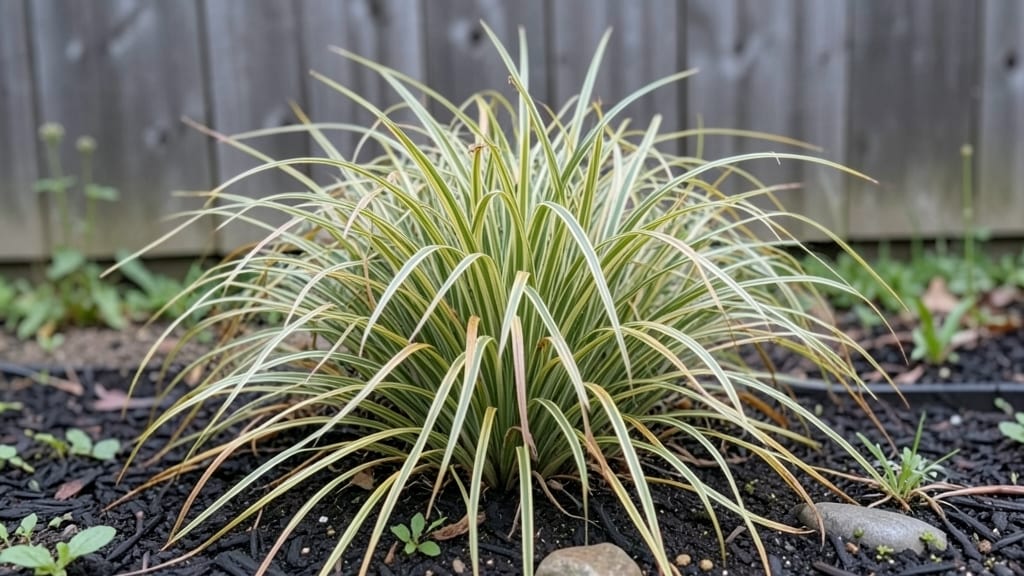
Growing variegated Japanese forest grass 🌿 means adding a touch of Zen to your garden with minimal effort—this shade-loving beauty thrives where fussy plants fail.
Picture this: Your shady corner, once a forgotten patch, now hums with the soft rustle of arching golden-green blades, their variegation catching the light like a whisper of sunlight.
Unlike high-maintenance perennials, this cold-hardy grass (USDA Zone 6a) asks for almost nothing—just a little patience and the right spot.
Whether you’re filling a woodland garden, lining a path, or dressing up containers, this ornamental grass delivers year-round interest with its cascading habit and winter charm. The key? Plant it in spring after the last frost, give it well-draining soil, and step back—it’ll reward you with effortless elegance.
In this guide, I’ll walk you through everything from sunlight secrets to pruning tricks, so you can turn your shady spots into a serene, low-maintenance retreat.
Why variegated Japanese forest grass thrives in shade and cold climates
Variegated Japanese forest grass (Hakonechloa macra 'Aureola') is a shade-loving superstar that transforms dull corners of your garden into lush, textured displays. Unlike sun-hungry plants, this ornamental grass thrives in low-light conditions and cold temperatures, making it perfect for USDA zones 5-9.
Its slow-spreading habit and drought-resistant roots ensure it stays healthy with minimal fuss, while its variegated stripes of green, cream, and yellow add year-round visual interest.
The secret to its success lies in its adaptable biology. Native to Japan's mountainous regions, this grass evolved to handle cool, damp climates and partial shade under forest canopies. Its narrow, arching blades capture minimal sunlight efficiently, while deep root systems store moisture during dry spells.
This makes it ideal for woodland gardens, shaded patios, or even containers where other plants would struggle.
Here’s how its botanical advantages translate into real-world gardening benefits:
| Feature | Specification |
|---|---|
| Sunlight Needs | Partial shade (3-6 hrs sun/day) |
| Cold Hardiness | USDA zones 5-9 (-20°F to 30°F) |
| Water Requirements | Moderate (drought-tolerant once established) |
| Growth Rate | Slow to moderate (12-18" spread/year) |
| Mature Height | 18-36 inches |
| Soil Type | Well-draining, moist (tolerates clay) |
| Maintenance Level | Low (minimal pruning, no fertilizing needed) |
| Seasonal Interest | Year-round (golden hues in fall/winter) |
One of its standout features is its variegated foliage, which results from chlorophyll variegation. The cream and yellow stripes are areas where less chlorophyll is produced, creating a striking contrast against the deep green blades.
This not only enhances its ornamental value but also makes it a low-maintenance choice—since the variegation is genetically stable, you won’t lose it over time like with some other variegated plants.
The grass’s cold hardiness is another game-changer. Unlike tropical plants, it survives winter dormancy without damage, regrowing vigorously in spring. In USDA zone 5, where temperatures can drop below -20°F, this grass remains unharmed, while many other perennials succumb to frost.
Its deep root system acts like a natural insulator, protecting the crown from freezing temperatures.
For gardeners in urban areas or shady backyards, this grass is a lifesaver. It thrives in filtered light under trees or near north-facing walls, where most plants would become leggy or sparse.
Even in containers, it adapts well, making it perfect for patios, balconies, or small gardens. Just ensure the pot has drainage holes to prevent root rot—a common issue with overwatered ornamental grasses.
Another advantage is its drought resistance. Once established (after 1-2 growing seasons), variegated Japanese forest grass can go weeks without water while maintaining its vibrant coloration. This makes it ideal for xeriscaping or low-water gardens, where water conservation is a priority.
However, during the first year, keep the soil consistently moist to encourage strong root development.
If you’re worried about invasive spread, don’t be. Unlike bamboo or mint, this grass grows slowly and clump-forming, rarely spreading beyond 12-18 inches per year. You can easily control its size with occasional trimming or division, making it a neat, contained addition to any garden.
For border plantings, space them 12-18 inches apart to allow for natural growth without overcrowding.
To keep your variegated Japanese forest grass looking its best, prune in late winter or early spring before new growth appears.
Simply trim back any dead or yellowed leaves to about half their height, and avoid cutting into the old growth—this helps maintain its arching form and textured appearance. A light layer of mulch in spring will also retain moisture and suppress weeds, reducing maintenance efforts.
Incorporating this grass into your garden is easier than you think. Pair it with hostas, ferns, or astilbes for a lush, layered look in shady spots, or use it as a focal point in a container garden with heucheras or coral bells.
Its year-round interest—from spring’s fresh green to fall’s golden hues—ensures your garden stays visually dynamic without extra effort. With its shade tolerance, cold hardiness, and low-maintenance care, it’s the perfect plant for busy gardeners or challenging spaces.
Designing stunning garden landscapes with variegated Japanese forest grass
Variegated Japanese forest grass (Hakonechloa macra) transforms even the shadiest corners into lush, textured landscapes with its cascading golden-green foliage. This cold-hardy perennial thrives in woodland gardens and container plantings, offering year-round interest from its arching blades and golden fall hues.
Whether used as a focal point or ground cover, its delicate presence softens hard edges while demanding minimal care.
One of my favorite ways to showcase this grass is by pairing it with hostas and ferns in shady borders. The contrasting textures of broad-leafed hostas and delicate ferns create a natural woodland feel, while the grass adds movement and height.
For container gardens, combine it with astilbes and heucheras to create a layered, vibrant display that thrives in partial shade.
Creative Ways to Use Variegated Japanese Forest Grass
- 🌿 Focal Point: Plant in odd-numbered clusters (3-5) near stone pathways or garden benches to draw the eye.
- 🌿 Border Plant: Line shady walkways with 12-inch spacing for a soft, flowing edge that contrasts with boxwood hedges.
- 🌿 Ground Cover: Use in woodland gardens under tall trees where it suppresses weeds naturally.
- 🌿 Container Star: Pair with mosses and small ferns in hanging baskets or window boxes for vertical interest.
- 🌿 Seasonal Accent: Its golden fall color glows against evergreen shrubs like inkberry holly or dwarf pittosporum.
Spacing is key to maximizing its arching beauty. For ground cover, space plants 12-18 inches apart to allow their plumes to cascade without crowding. In containers, use one plant per 6-inch pot and group 3-5 pots together for a fuller look.
Remember, this grass grows 2-3 feet tall and 1-2 feet wide, so plan accordingly for mature size.
In woodland settings, I love mixing it with Japanese painted ferns (Athyrium niponicum) and foamflower (Tiarella cordifolia) to create a low-maintenance understory.
The variegated stripes of the grass pop against the silvery-blue ferns and pastel foamflower blooms, adding visual contrast without overwhelming the space. For container gardens, add heucheras with burgundy or lime foliage to intensify the color drama.
Don’t overlook its winter interest! While most plants fade in cold months, this grass retains its structure and subtle color, often turning straw-like gold that stands out against snow-covered landscapes.
In late winter, I prune back dead foliage to reveal fresh spring growth, which emerges in vibrant green-and-cream stripes. This year-round appeal makes it one of the most versatile shade plants for any garden.
For a low-effort, high-impact design, try planting it along pond edges or stream banks, where its arching habit mimics natural riverside grasses. Pair it with marsh marigolds (Caltha palustris) for early spring blooms that complement its emerging foliage.
With its adaptability and grace, variegated Japanese forest grass is the perfect shade garden MVP—easy to grow, stunning year-round, and endlessly creative.