
Plants
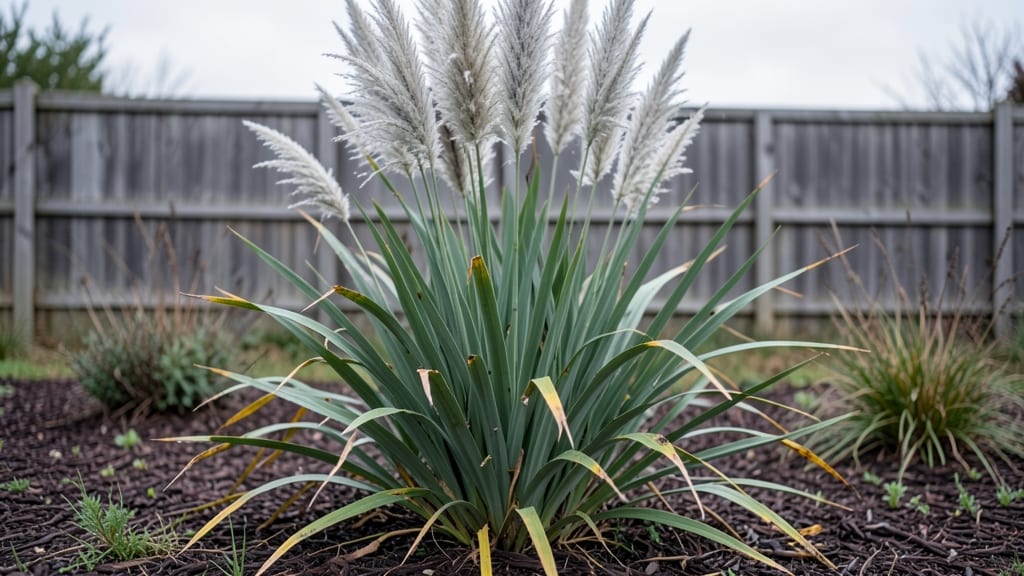
Pampas ornamental grass 🌿 is the secret weapon for gardeners who want bold, textured beauty without the fuss.
Imagine a plant that transforms your garden into a breathtaking, cloud-like sanctuary—soft, voluminous, and effortlessly elegant—without needing constant care. Pampas grass delivers exactly that, blending drama with low-maintenance resilience.
This tall, drought-tolerant grass thrives in USDA Zone 6a and beyond, making it a standout choice for modern or cottage-style gardens. Whether you're lining a pathway, creating a focal point, or adding height contrast, pampas grass brings year-round interest with its feathery plumes.
Below, I’ll show you how to pair it with other plants, choose the right variety for your design, and keep it looking stunning with minimal effort—so you can enjoy the drama without the work.
Why pampas grass stands out as a top ornamental choice
Pampas ornamental grass (Cortaderia selloana) isn’t just another garden plant—it’s a statement piece that brings textured elegance and year-round drama to any landscape. Its feathery plumes resemble clouds or cotton candy, creating a dreamy, ethereal effect that’s impossible to ignore. Unlike many ornamental grasses, pampas grass thrives in harsh conditions, making it a favorite for both urban gardens and wild landscapes alike.
What truly sets pampas grass apart is its versatility. Whether you’re designing a modern minimalist garden, a romantic cottage-style retreat, or a low-water xeriscape, this grass adapts effortlessly.
Its drought tolerance and low-maintenance nature mean you spend less time fussing over care and more time enjoying its beauty. Plus, its cultural significance spans continents, from South American plains to contemporary art installations.
Here’s why this grass is a top ornamental choice for gardeners of all levels:
| Feature | Details |
|---|---|
| Visual Appeal | Feathery plumes in silver, pink, or white; resembles clouds or cotton candy. |
| Drought Tolerance | Thrives with minimal watering once established; ideal for xeriscapes. |
| Climate Adaptability | Grows in USDA Zones 7-11; handles heat, wind, and poor soil. |
| Maintenance Level | Low-maintenance; requires pruning once a year and no fertilizing. |
| Height & Size | Reaches 6-15 feet tall; perfect for focal points or privacy screens. |
| Seasonal Interest | Provides year-round structure; plumes last winter to spring. |
| Wildlife Benefits | Attracts birds and butterflies; provides winter shelter for wildlife. |
| Design Versatility | Works in modern, cottage, or wild gardens; pairs well with succulents, roses, or lavender. |
One of the most striking features of pampas grass is its architectural form. The plume-like blooms create a soft, wispy texture that contrasts beautifully with sharp-edged plants like succulents or boxwood.
In modern gardens, it adds a sculptural element, while in cottage-style gardens, it brings a whimsical, romantic touch. Even in wild or native landscapes, it blends seamlessly, mimicking the natural prairie grasses of its South American origins.
For gardeners in dry or urban areas, pampas grass is a lifesaver. It thrives with minimal water once established, making it perfect for water-wise gardens.
Unlike many ornamental grasses, it doesn’t require rich, fertile soil—it’s happy in sandy, rocky, or clay-heavy ground, as long as it’s well-draining. This adaptability means you can plant it almost anywhere, from rooftop gardens to backyard borders.
Beyond its practical benefits, pampas grass holds cultural significance. Native to South America, it was traditionally used by indigenous peoples for crafting and insulation. Today, it’s celebrated in art and design, appearing in fashion shows, weddings, and public installations.
Its ethereal beauty has even inspired modern architects to incorporate it into landscaping projects worldwide.
What I love most about pampas grass is how it elevates any garden with minimal effort. Unlike high-maintenance perennials that demand constant pruning or fertilizing, this grass stays stunning with almost no attention.
It’s the perfect choice for busy gardeners who still want a dramatic, high-impact plant. Plus, its tall stature makes it ideal for hiding unsightly areas or creating privacy screens without blocking light.
If you’re looking to add texture, height, and movement to your garden, pampas grass is a game-changer. It’s drought-resistant, low-maintenance, and visually stunning—everything a modern ornamental plant should be. Whether you’re a beginner gardener or a landscape pro, this grass delivers
How to plant and care for pampas grass for maximum impact
Pampas ornamental grass (Cortaderia selloana) is a showstopper that adds textural drama and seasonal interest to any garden. With its plume-like blooms and arching foliage, it thrives in full sun and well-draining soil, making it perfect for low-maintenance landscapes.
Whether you're planting it as a focal point or along borders, understanding its care essentials ensures it reaches its full, cloud-like potential year after year.
One of the biggest mistakes gardeners make is overcrowding pampas grass. Since mature plants can reach 6 to 15 feet tall, they need ample space—3 to 5 feet apart—to develop their signature voluminous plumes.
Additionally, poor soil drainage can lead to root rot, so choosing the right planting site and soil mix is critical for long-term success.
⚠️ Avoid These Pampas Grass Pitfalls
- Overwatering can drown roots—pampas grass is drought-tolerant once established.
- Planting in shade reduces plume production; it needs 6+ hours of sun daily.
- Skipping pruning leads to messy growth; cut back dead plumes in late winter.
- Ignoring soil prep—amend clay or heavy soil with sand or compost for better drainage.
Start by selecting a sun-drenched spot in your garden, as pampas grass demands full sun to produce its showy, feathery plumes. Dig a hole twice as wide as the root ball but only as deep to prevent burying the crown.
Gently remove the plant from its container, loosen the roots if pot-bound, and place it in the hole. Backfill with native soil mixed with compost to improve drainage and fertility.
After planting, water deeply to settle the soil and encourage root establishment. For the first few weeks, keep the soil consistently moist but avoid waterlogging. Once established, reduce watering to once a week during dry spells, as pampas grass is highly drought-resistant.
Mulch around the base with 2 to 3 inches of organic mulch (like wood chips) to retain moisture and suppress weeds.
Pruning is key to maintaining neat, healthy growth. In late winter or early spring, cut back the previous year’s plumes to the ground using sharp pruners or shears. This encourages new growth and prevents the plant from looking ragged.
Avoid pruning in fall, as the plumes add winter interest to your garden. Additionally, remove any dead or damaged foliage throughout the year to keep the plant looking its best.
Pampas grass is low-maintenance, but a light feeding in early spring with a balanced fertilizer (5-10-10) promotes vibrant growth. Avoid heavy fertilization, as it can lead to excessive foliage at the expense of plume production.
In fall and winter, reduce watering further, as the plant enters a dormant phase. With proper care, your pampas grass will reward you with stunning plumes from summer through fall and textural interest in every season.