
Pruning
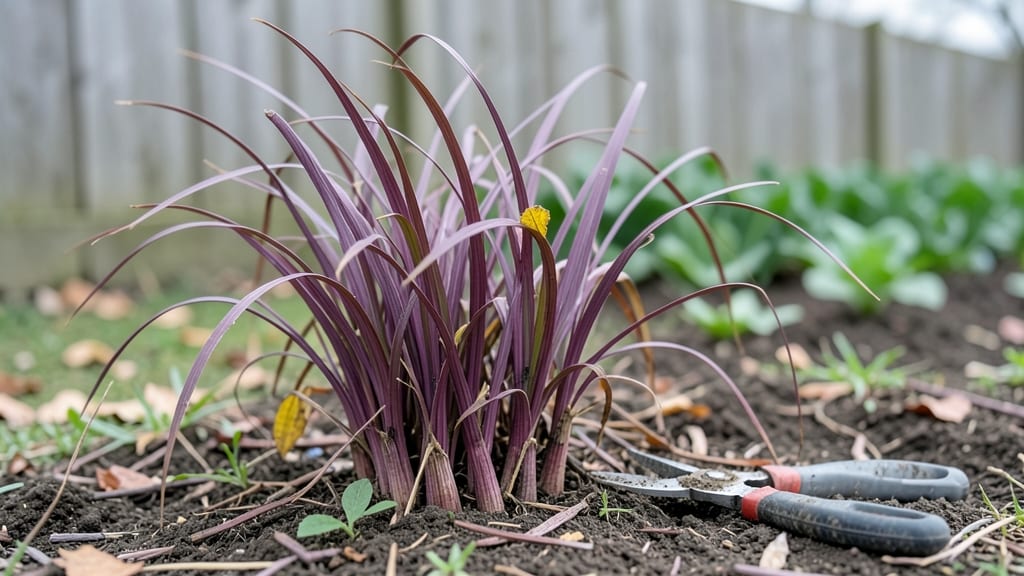
Trimming purple fountain grass transforms it from a wild tangle into a showstopping centerpiece. ✨ I’ve learned the hard way that skipping this step leads to leggy, sparse growth—so I now trim mine three times a year to keep it lush and compact.
The secret isn’t just when you cut, but how: sharp tools, clean lines, and patience for regrowth.
You’ll need bypass pruners or hedge shears for precision, plus gloves to handle the sharp edges. Spring is the best time to reset growth, but summer and fall trims keep it tidy.
Never cut into bare stems—always leave 1/3 of the plant’s height to encourage new shoots. Over-trimming in winter weakens the plant, so wait until early spring.
After trimming, your grass will bounce back with vibrant purple plumes by summer. The key is consistency: a little maintenance now means fewer struggles later. Watch for new growth at the base—this tells you you’re doing it right.
Just avoid cutting into old, woody stems, or you’ll stunt the plant’s ability to regenerate.
Works for both small containers and large landscape plantings. Once you master the timing and technique, your purple fountain grass will become the neighborhood’s envy—without requiring constant attention. Let’s get those shears sharp!
📚 In This Guide
- What you need
- Instructions
- Tips and common mistakes
- Wrapping up and next steps
What you need
- ● Sharp pruning shears or hedge clippers – Choose bypass-style for clean cuts (avoid dull blades that tear foliage). A 10-12 inch pair works best for most fountain grass varieties.
- ● Heavy-duty gardening gloves – Opt for thick, cut-resistant gloves (e.g., mechanics’ gloves or pruning gloves) to protect hands from sharp blades and thorns.
- ○ Loppers (optional but helpful) – For thicker stems or overgrown clumps, 4-6 inch bypass loppers make the job easier.
- ● String trimmer (weed whacker) with a sharp blade – Ideal for neatly trimming hard-to-reach areas or large sections. Use a high-quality steel blade (not nylon) for precision.
- ● Pruning saw (for stubborn stems) – A folding pruning saw with fine teeth can help if you encounter thick, woody bases.
- ● Garden hose or water spray bottle – Keeps blades cool and dust-free while trimming.
- ● Rake or leaf blower – For clearing debris after trimming. A bow rake works well for larger clumps.
- ● Disinfectant (70% isopropyl alcohol or bleach solution) – Clean tools between cuts to prevent disease spread (1 part bleach to 9 parts water).
- ● Knee pads or a small stool – Saves your back when trimming low or large patches.
- ● Pruning sealant – Apply to large cuts to prevent sap oozing or pests.
- ● Garden twine or stakes – Temporarily tie back overgrown sections if trimming in stages.
- ● Safety goggles – Protects eyes from debris, especially when using a string trimmer.
- ● Sharpener for blades – A file or sharpening stone keeps tools in top condition.
Step-by-step guide to trimming purple fountain grass for year-round health
Mastering this technique keeps your ornamental grass lush, compact, and thriving through all seasons.
✂️ Step 1: Time Your First Cut for Late Winter Dormancy
Wait until late winter—just as new growth begins but before spring green-up—to make your first cut of the year. This is when the grass is still dormant but starting to wake up. I look for the first hint of green at the base of the clumps, signaling it's time to shape without harming emerging shoots.
Use clean, sharp pruners or a horticultural shears to cut back one-third of the plant's height—about 6-8 inches from the ground. This removes dead foliage while preserving the crown. Avoid cutting into the hard, woody base where new growth emerges; you'll know you're too low if you see brown, fibrous material.
Here's the thing—if you cut too early in winter, you risk damaging tender new shoots. If you wait too late, you'll cut into fresh spring growth. Aim for February to early March in most climates, adjusting for your last frost date.
☀️ Step 2: Summer Maintenance for Compact Growth
During the growing season, I trim only when the grass exceeds 2 feet tall—this prevents it from becoming floppy and unruly. Use sharp pruning shears to cut back one-third of the new growth, always leaving the lower third untouched to maintain structure and protect the crown.
Watch for seed heads forming in late summer. These can be left for winter interest or removed if you prefer a neater look. If cutting back seed heads, do it after they've dried to avoid disturbing new growth below. Never cut more than one-third in a single session—this ensures the plant doesn't go into shock.
Real talk: Purple fountain grass grows fast, and skipping summer trims leads to a wild, straggly mess. I set a reminder every 6-8 weeks to check growth. If you see stems leaning or the plant looking scraggly, it's time for a light trim.
⏰ Step 3: Fall Cleanup Before Dormancy Sets In
As temperatures drop and growth slows in late fall, give your grass a final trim to remove any brown, dead foliage while leaving the lower green growth intact. This prevents the plant from looking ragged over winter and keeps the crown healthy. Cut back to about half the plant's height, but never below 4-6 inches from the ground.
I like to do this 4-6 weeks before the first frost—early enough to allow any new growth to harden off but late enough to remove unsightly dead material. The goal is to create a clean silhouette that still provides winter interest while protecting the crown from cold damage.
Don't skip this step. Leaving dead foliage over winter can harbor pests and diseases, while a well-trimmed plant looks intentional and tidy. If you live in a mild climate, you might delay this until early winter when growth has fully stopped.
🌱 Step 4: Post-Winter Revival Trimming (Critical for New Growth)
In early spring, just as the grass begins to green up, give it a light trim to remove any last year's dead growth while leaving the new green shoots untouched. This is your chance to shape the plant for the year ahead. I use clean shears and make clean cuts at a 45-degree angle to encourage water runoff and prevent rot.
Watch for new growth emerging from the base—this is your cue that the plant is ready for a light shaping. Avoid cutting into the tight, woody base where the crown sits; this is where next year's growth will come from. If you cut too low, you risk damaging the plant's ability to regenerate.
This is the moment that matters: a well-timed spring trim sets the tone for the entire growing season. If you see healthy green shoots pushing through, you're on the right track. If the plant looks bare or damaged, you've cut too aggressively—give it time to recover.
Tips & tricks for perfect purple fountain grass trimming
Mastering the art of trimming purple fountain grass isn't just about when to cut—it's about understanding the plant's seasonal rhythms and how to shape it without compromising its health.
Seasonal Timing is Everything: The late winter cut in Step 1 is your most critical trim of the year. I can't stress enough how important it is to wait for that first hint of green at the base—this tells you the plant is ready to be shaped without damaging emerging shoots. If you're unsure, do a quick visual check: look for the faintest green along the base of the clumps. This timing ensures you're cutting dead growth while preserving the crown for next year's growth.
Tool Sharpness Makes All the Difference: Dull pruners or shears will crush stems rather than make clean cuts, which can damage the plant and leave ragged edges. I always clean and sharpen my tools before each trimming session—this prevents tearing and makes the process much smoother. For larger clumps, consider using a pair of horticultural shears with long handles to reach the center without disturbing the base.
The One-Third Rule for Summer Maintenance: In Step 2, when you're trimming back one-third of the new growth, think of it as a gentle reset rather than aggressive pruning. The key is to always leave the lower third intact—this protects the crown and maintains the plant's natural shape. If you're ever unsure about how much to cut, take a step back and visualize the plant's silhouette. You want to maintain its elegant, fountain-like form while encouraging dense growth at the base.
Fall Cleanup Strategy: The 4-6 week window before your first frost in Step 3 is your chance to create a clean, intentional silhouette for winter. I like to work on overcast days when the grass is slightly damp—this makes it easier to see where the old growth ends and new growth begins. If you're in a mild climate where frost isn't a concern, aim for early winter when growth has completely stopped. This final trim removes unsightly dead foliage while keeping the crown protected for spring.
Pro Tips for Trimming Purple Fountain Grass
- Mastering the art of trimming purple fountain grass isn't just about when to cut—it's about understanding the plant's seasonal rhythms and how to shape it without compromising its health.
- Seasonal Timing is Everything: The late winter cut in Step 1 is your most critical trim of the year.
- Tool Sharpness Makes All the Difference: Dull pruners or shears will crush stems rather than make clean cuts, which can damage the plant and leave ragged edges.
Frequently asked questions
Got questions about keeping your Pennisetum setaceum (purple fountain grass) looking its best?
Here are answers to the most common ones—so you can trim with confidence!
When is the best time to trim purple fountain grass?
Trim your purple fountain grass in early spring (just as new growth emerges) to shape it for the season. Light deadheading (removing spent seed heads) can happen year-round, but avoid heavy cuts in late fall—this helps protect the plant through winter. Pro tip: If you live in a cold climate, wait until after the last frost to prune aggressively!
How short can I cut purple fountain grass?
Never cut more than ⅓ of the plant’s height at once—this keeps it healthy. For most varieties, aim to leave 6–12 inches of growth. Over-trimming can stress the grass, making it vulnerable to pests or winter damage. Exception: If the grass looks ragged, a light trim (2–3 inches) can refresh it without harm.
What if my purple fountain grass looks brown or crispy after trimming?
Brown tips or crispiness often mean over-trimming, drought, or winter burn. If it’s spring, wait a few weeks—new growth should emerge. Water deeply after trimming, and avoid cutting into old, woody stems. For severe damage: Trim back only the dead parts and fertilize lightly to encourage recovery.
Are there alternatives to trimming purple fountain grass for winter?
Yes! In cold zones, you can mulch the base with straw or leaves to insulate roots. Another option is wrapping the crown in burlap (like protecting a tender perennial). Just remember: Never cut back to bare stems in winter—this can kill the plant. Light shaping in early spring is safer.
Why does my purple fountain grass flop over after trimming?
Flopping usually happens when the center is too heavy or overgrown. To fix it:
- Trim the outer fronds first to lighten the top.
- Stake tall varieties if needed (use invisible stakes to avoid damage).
- Fertilize lightly in spring to encourage stronger stems.
Wrapping up and next steps
Trimming your purple fountain grass doesn’t have to be a daunting task—just a few clean cuts and consistent care keep it thriving year-round! 🌿 Whether you’re shaping it for aesthetics or controlling its growth, the key is patience and precision.
With the right tools, timing, and techniques, you’ll enjoy a lush, vibrant lawn that stays healthy and stylish.
Ready to take the next step? Grab your shears, mark your calendar for seasonal trims, and watch your purple fountain grass shine! For extra flair, experiment with different shapes or heights—your garden deserves a little creativity. Happy pruning! ✂️✨