
Pruning
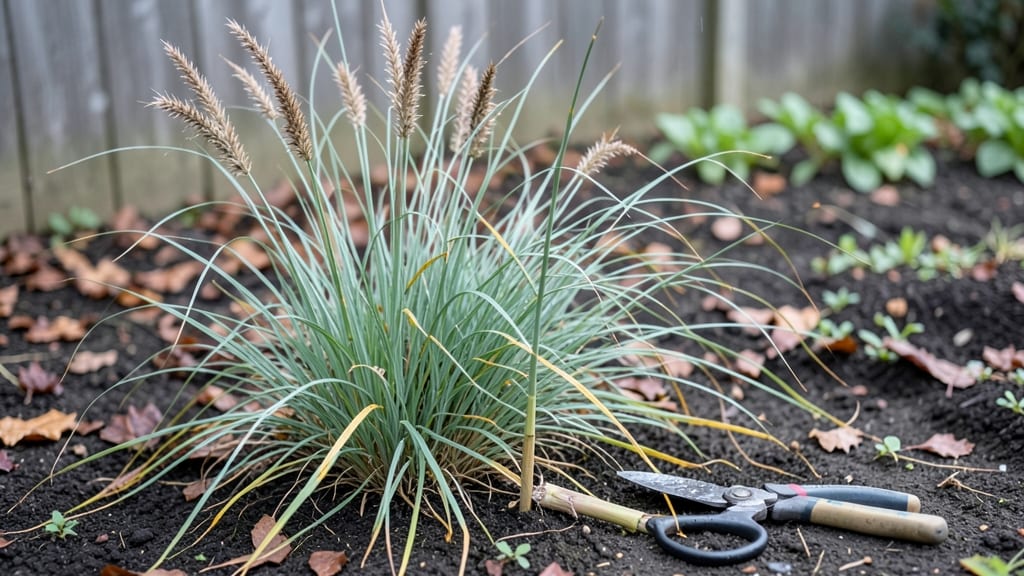
Trimming fountain grass transforms it from wild and unruly to neatly sculpted and year-round eye-catching. I’ve learned the hard way—skipping this step means flopping, bare spots, and a plant that loses its shape by summer.
The key is timing, technique, and knowing exactly where to cut without harming the plant’s heart.
You’ll need sharp pruners or hedge shears, gloves (those blades bite!), and a clear day when the grass isn’t damp. Start in late winter or early spring, before new growth begins, and trim back one-third of the plant’s height—never more.
For clumps, use shears to shape the edges cleanly, while for loose varieties, a single vertical cut keeps them tidy without overworking the plant.
The payoff? Fountain grass that stays compact, vibrant, and full all season. After trimming, give it a light drink of water and a slow-release fertilizer to encourage fresh growth. Avoid cutting into the old, brown stems—they’re the plant’s insulation against winter cold and frost.
Pro tip: If you miss the spring window, you can trim again in early summer, but skip any cuts after mid-August—new growth won’t have time to harden off before winter. A little patience here saves you from a sad, leggy plant next year.
📚 In This Guide
- What you need
- Instructions
- Tips and common mistakes
- Wrapping up and next steps
What you need
- ● Heavy-duty pruning shears or hedge clippers: Choose sharp, bypass-style blades (8-12" length) for clean cuts. Example: Felco F-2 or Corona C550.
- ● Pruning saw (if needed): For thick, woody stems (10-12" curved blade).
- ● Gloves: Garden-grade (heavy-duty leather or nitrile-coated) to protect against thorns and sharp edges.
- ● Loppers: For larger stems (18-24" reach, anvil-style for tough cuts).
- ● Wheelbarrow or tarp: To collect clippings (avoid overloading—aim for 1-2 cubic yards per session).
- ○ Pruning sealant (optional but helpful): For large cuts to prevent disease (e.g., Tanglefoot Pruning Seal).
- ● Water source: Hose with nozzle or bucket (5+ gallons) for post-trimming hydration.
- ● Safety gear: Sunglasses (UV protection) and closed-toe shoes.
- ● String or stakes: For marking trim lines (e.g., 1/3 of plant height rule).
- ● Knee pads: For comfort during long sessions.
- ● Disinfectant spray: (70% isopropyl alcohol) to sterilize tools between cuts.
- ● Compost bin: For repurposing clippings (if disease-free).
- ● Extension pole: For tall fountain grass (adjustable 3-6 ft).
How to trim fountain grass for a neat, healthy look
Here’s the method I’ve used for years to keep fountain grass looking sharp without sacrificing its natural beauty.
Choose the Right Time for Trimming
Spring is your best window—trim after the last frost when new growth begins but before the grass gets too leggy. You’ll know it’s ready when you see fresh green shoots emerging from the base. Avoid cutting back in fall or winter, as this can damage the crown and leave it vulnerable to cold.
If you missed spring, you can do a light trim in early summer, but avoid heavy cuts then. The key is to never remove more than one-third of the plant’s height at once. This rule prevents stress and keeps the grass resilient. I always wait until the plant has at least 6-8 inches of new growth before trimming again.
Gather Tools and Prepare the Workspace
You’ll need sharp bypass pruners for clean cuts and a sturdy pair of hedge shears for larger clumps. Avoid dull tools—they tear leaves instead of cutting cleanly. Lay down a tarp or old blanket to collect clippings and keep your workspace tidy.
Check the weather first; trim on a calm, dry day to prevent fungal issues. Wet grass is heavier and harder to handle, and damp conditions can lead to mold if clippings pile up. I like to work in the early morning when dew has dried but temperatures are still mild.
Trim the Outer Fronds First
Start at the outer edges of the fountain grass, cutting back the longest, most straggly fronds first. These are the ones that lose their shape and make the plant look wild. Hold the shears at a 45-degree angle to create a natural taper, which helps rainwater run off instead of pooling at the base.
Cut just above a leaf node—the small bump where a new leaf or branch grows. This encourages bushier growth. If you’re unsure where the node is, look for the spot where the leaf attaches to the stem. Avoid cutting too close to the base, as this can expose the crown to sunburn.
Thin Out the Center for Airflow
Fountain grass needs airflow to stay healthy, so reach into the center and remove any dead or crossing stems. These are the ones that look brown, brittle, or tangled. Pull them out by hand if possible, or cut them at the base with your pruners. You’ll notice the plant looks fuller and less dense immediately.
If the center looks too compact, you can also lift and divide the grass if it’s been in the same spot for years. Dig around the base, separate the clumps, and replant the divisions elsewhere. This rejuvenates the plant and gives you extra grass for borders or gifts. Just make sure to water well after dividing.
Shape and Finish with Clean Cuts
Step back and assess the shape. Use your shears to refine the edges, keeping them soft and flowing rather than rigid. Fountain grass thrives with a natural, slightly informal look—don’t stress over perfect lines. Cut any remaining stragglers or uneven growth to even out the height.
Finish by removing all debris and giving the base a light watering. This settles the soil and helps the grass recover faster. I like to add a thin layer of mulch around the base afterward to retain moisture and suppress weeds. Avoid piling mulch against the crown, though—keep it at least 2 inches away to prevent rot.
Tips & tricks for perfect fountain grass trimming
A few strategic techniques will transform your fountain grass from wild to polished while keeping it thriving for years. These are the insights I’ve gathered after years of perfecting the art—because even the most beautiful grass can look unkempt if you miss these details.
The One-Third Rule: This isn’t just a suggestion—it’s a biological necessity for fountain grass. When you trim more than one-third of the plant’s height at once, you’re essentially cutting off its food supply. The grass stores energy in its lower stems, and removing too much stresses the crown. I’ve seen grass recover from light trims but struggle after aggressive cuts, especially in hot weather. If your grass looks leggy, space out trims over multiple sessions rather than doing one heavy cut.
Leaf Node Precision: Finding that perfect spot just above a leaf node makes all the difference in how bushy your fountain grass grows. Here’s how to spot it: Look for the tiny bump where the leaf blade meets the stem—this is where new growth emerges. If you cut below the node, you’re removing potential growth points. I always run my thumb along the stem to feel for these bumps before making my cut. For larger clumps, use your hedge shears to make clean cuts at this exact point—it’s worth taking the extra second to do it right.
Airflow Strategy: The center of fountain grass is where problems hide. Dead stems, tangled growth, and poor airflow create the perfect conditions for fungal diseases. I’ve learned the hard way that skipping this step leads to brown patches that spread quickly. Use your fingers to gently separate stems—you’ll often find hidden dead growth that can be pulled out by hand. For stubborn tangles, your pruners work just as well. The result? A plant that looks fuller and stays healthier longer, with that signature fountain grass movement instead of a dense, suffocating center.
Mulch Placement Matters: That final step of adding mulch is often rushed, but proper placement makes a huge difference. The 2-inch clearance from the crown isn’t arbitrary—it prevents moisture from sitting against the base, which can lead to rot. I’ve seen gardeners accidentally smother their plants by piling mulch too close. Use a flat-hand measurement to ensure that gap, and consider using a mulch with good drainage properties like pine straw or shredded bark. This small detail keeps your fountain grass looking pristine while protecting its roots.
Pro Tips for Trimming Fountain Grass
- A few strategic techniques will transform your fountain grass from wild to polished while keeping it thriving for years.
- The One-Third Rule: This isn’t just a suggestion—it’s a biological necessity for fountain grass.
- Leaf Node Precision: Finding that perfect spot just above a leaf node makes all the difference in how bushy your fountain grass grows.
Frequently asked questions
Got questions about trimming fountain grass?
You’re not alone! Here are some of the most common concerns—and their straightforward solutions—to help you keep your grass looking sharp and healthy.
When is the best time of year to trim fountain grass?
Trim fountain grass in early spring (just as new growth starts) and again in late fall (before the first frost). Avoid cutting during extreme heat or cold, as this can stress the plant. For a polished look year-round, light trims can be done in summer—but never cut more than one-third of the height at once!
How short can I trim fountain grass without harming it?
Never cut fountain grass below 12–18 inches from the ground, even if it looks overgrown. The lower third of the plant stores nutrients and supports regrowth. If you’ve let it get too tall, gradually reduce height over 2–3 trims to avoid shock. Think of it like a haircut—short but sweet!
Can I use regular lawnmower blades for fountain grass, or do I need something special?
A sharp lawnmower blade (or hedge trimmer for thicker clumps) works fine, but avoid dull blades—they tear leaves, inviting disease. For precise edges, a string trimmer with a nylon line is ideal. Pro tip: Clean blades after each use to prevent rust and keep cuts clean!
Why does my fountain grass look brown or crispy after trimming?
Brown tips or crispy edges usually mean over-trimming or heat stress. If you’ve cut too aggressively, wait 4–6 weeks before trimming again. For summer browning, water deeply before trimming (not after) to hydrate the plant. If the damage is severe, trim back to healthy green growth and fertilize lightly.
What’s a good alternative if I don’t want to deal with trimming fountain grass?
If maintenance feels like too much, consider low-maintenance grasses like muhly grass (pink Muhlenbergia) or switchgrass, which fluff up naturally. For a similar ornamental look, sedges (like Carex varieties) or ornamental grasses like fountain grass’s cousin, Pennisetum, thrive with minimal trimming. Just check their mature height first!
Wrapping up and next steps
Trimming fountain grass doesn’t have to be intimidating—with the right tools, timing, and technique, you can keep it looking lush, contained, and thriving all season long! 🌿 Whether you’re a seasoned gardener or just starting out, mastering sharp cuts will save you time and effort while keeping your landscape polished.
Now that you’re armed with tips and answers to common questions, grab those shears and get pruning—your yard will thank you!
Pro tip: Schedule a quick trim every 4-6 weeks to maintain shape and encourage healthy growth. Happy gardening! 🌱