
Fertilization
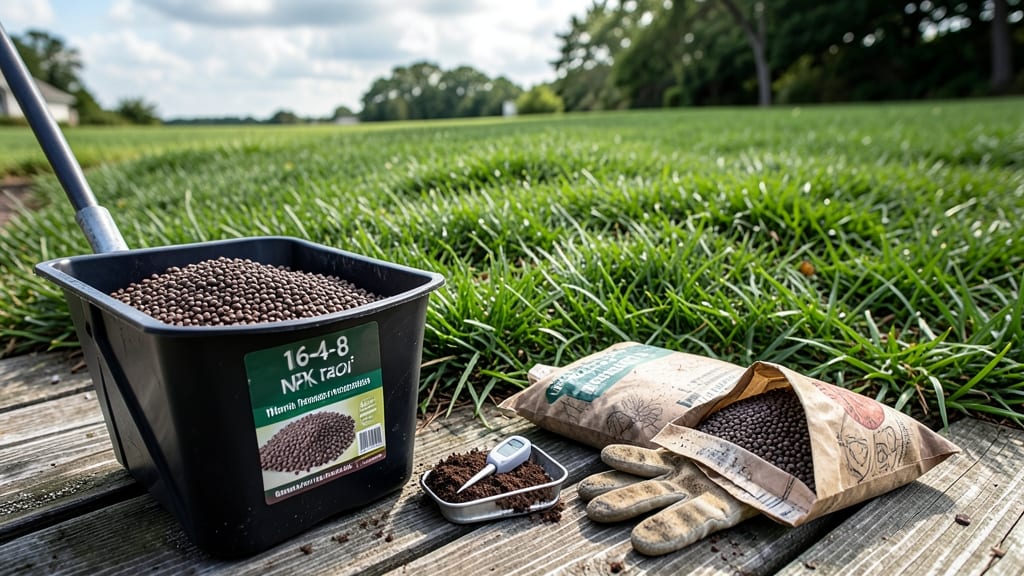
Fertilizing your lawn in Florida at the wrong time can actually harm your 🌱 instead of helping it grow, so timing matters more than you might think.
If you're struggling with patchy grass or weak lawn growth, timing your lawn fertilization could be the game-changer you need—because fertilizing at the wrong time can actually harm your turf, not help it.
Florida’s warm climate means your lawn grass thrives in spring and fall, not winter or summer. That’s when the roots grow strongest, and feeding them with the right nutrients makes all the difference.
In this guide, I’ll break down the best months to fertilize, how to pick the right fertilizer for Florida’s soil, and what mistakes to avoid—so you can finally get that lush, green lawn you’ve been dreaming of.
Optimal Florida lawn fertilization schedule by season (spring vs fall timing)
If you're struggling with patchy grass or weak lawn growth in Florida, timing your lawn fertilization could be the game-changer you need—because fertilizing at the wrong time can actually harm your turf, not help it.
Florida's humid subtropical climate creates unique challenges, where soil temperatures and rainfall patterns dictate the perfect fertilization windows.
Most Florida homeowners focus on warm-season grasses like St. Augustine, Bahiagrass, and Centipede, which thrive in our heat but need precise timing to avoid stress.
Meanwhile, cool-season grasses like Ryegrass (often overseeded in fall) have different needs. The key? Fertilizing when your grass is actively growing—not when it's dormant or heat-stressed.
Soil temperature is your best guide: aim for 65°F+ for warm-season grasses and 55°F-65°F for cool-season grasses. Florida's spring and fall offer ideal conditions, while summer's intense heat and winter's dormancy require caution.
| Season | Best Months | Grass Type | Soil Temp | Key Action | Rainfall Note | ||||||||||||||||||
|---|---|---|---|---|---|---|---|---|---|---|---|---|---|---|---|---|---|---|---|---|---|---|---|
| Spring | Feb-Apr | Warm-season | 65°F+ | Full feed (high N) | Avoid before heavy rains | ||||||||||||||||||
| Spring | Dec-Feb | Cool-season | 55°F-65°F | Light feed (low N) | Monitor for fungal risk | ||||||||||||||||||
| Summer | May-Aug | Warm-season | 80°F+ | Minimal feed | Reduce to avoid burn | ||||||||||||||||||
| Fall | Sept-Oct | Warm-season | 70°F-80°F | Full feed (root strength) | Best before rains peak | ||||||||||||||||||
| Fall | Oct-Nov | Cool-season | 60°F-70°F | Heavy feed (establish) | Avoid late fall | ||||||||||||||||||
| Winter | Dec-Jan | All types | Below 60°F
How to choose the right fertilizer type for Florida’s climate and grass typeFlorida’s sandy soils and humid climate demand a smart approach to lawn fertilization. Choosing the wrong type can burn your grass or waste money, while the right blend promotes lush growth without harming local waterways. Let’s break down how to match your grass type and Florida’s unique conditions to the perfect fertilizer. First, consider whether your lawn is warm-season (like St. Augustine or Centipede) or cool-season (like Ryegrass). Warm-season grasses thrive year-round in Florida, while cool-season types are often overseeded in winter. Slow-release fertilizers are ideal for Florida’s heat, preventing nutrient burn and reducing runoff risks during summer storms.
For Florida’s sandy soils, organic fertilizers like compost or fish emulsion improve soil structure over time, while synthetic blends provide quick results. Look for micronutrients like iron and zinc to combat Florida’s nutrient-leaching sands. Avoid high-phosphorus fertilizers unless testing shows a deficiency—Florida’s laws restrict phosphorus use to protect water quality. Timing matters too: apply fertilizer in early morning or late afternoon to prevent leaf burn from Florida’s intense sun. Water deeply after application to help nutrients penetrate the sandy soil. For St. Augustine or Centipede grass, a 16-4-8 NPK ratio works well, while Bahiagrass thrives on a 10-10-10 blend. Watch for signs of over-fertilization, like yellowing grass or excessive growth. Florida’s rainy season (June-October) increases runoff risks, so reduce fertilizer use during this period. Instead, focus on soil health with compost and mulch to support natural nutrient retention. If your lawn is struggling, a soil test from your local extension office will reveal deficiencies. Florida’s University of Florida IFAS program offers free or low-cost testing—use their recommendations to tailor your fertilizer blend. With the right approach, your lawn will stay green year-round without harming Florida’s delicate ecosystems. 🌱 |