
Lawn
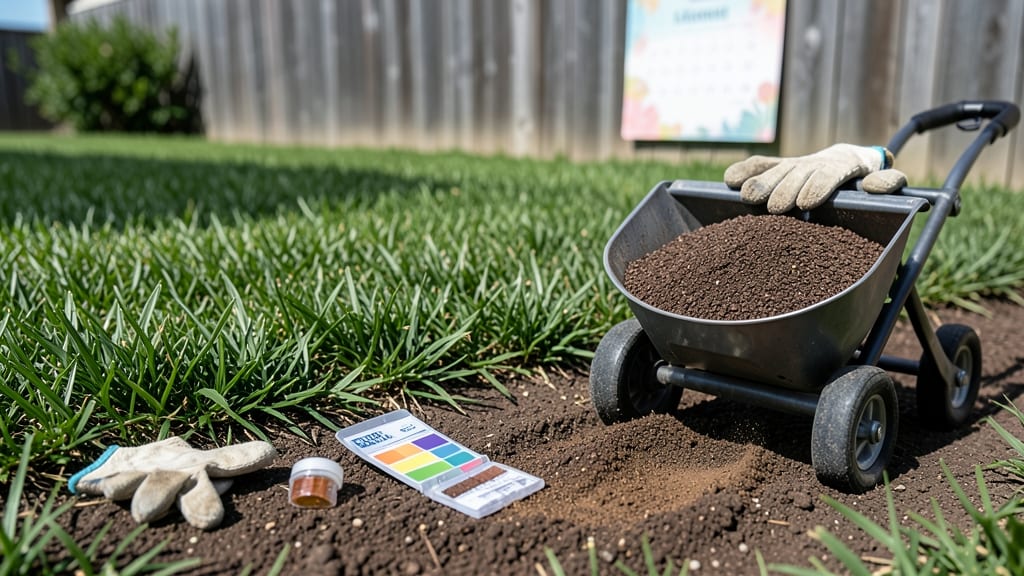
Fertilizing your lawn in Florida during early spring and late fall is the secret to a thick, green carpet that outlasts the heat — but get it wrong, and you’ll waste money or even harm your grass.
Picture this: you’ve just spent $100 on fertilizer, spread it all out, and a week later your lawn looks sunnier than a beach vacation.
That’s because Florida’s climate isn’t like other states — humidity, heat, and sudden rains turn a quick fix into a disaster if you don’t time it right.
Most Florida homeowners fertilize at the wrong time, often during the brutal summer months when grass goes dormant. The truth? Spring and fall are your golden windows, when your Florida Lawn Grass 🌱 soaks up nutrients without burning out under the sun.
In this guide, I’ll walk you through the exact months to fertilize, how to adjust for North vs. South Florida’s microclimates, and the 3 mistakes that turn green dreams into brown patches. No guesswork — just science-backed timing for a lawn that stays lush year-round.
Florida’s best lawn fertilization schedule by season (spring & fall focus)
Florida’s year-round growing season might make you think fertilization is a monthly chore, but timing is everything for a healthy, vibrant lawn. Warm-season grasses like St. Augustine and Bermuda thrive with spring and fall feedings, while cool-season grasses (like Ryegrass) need early fall prep.
Skip summer fertilizing—it stresses grass in 90°+ heat and wastes money.
Most Florida homeowners overlook microclimate differences between North Florida (USDA Zones 8a-8b) and South Florida (Zones 10a-11). North Florida’s cooler winters mean earlier spring feedings (February-March), while South Florida’s mild winters push fertilization to late spring (April-May).
Even Central Florida (Zone 9) needs adjustments—avoid fertilizing during rainy seasons (June-September) to prevent runoff.
| Season | Best Months (North FL) | Best Months (Central FL) | Best Months (South FL) | Fertilizer Type | Key Notes |
|---|---|---|---|---|---|
| Spring | February-March | March-April | April-May | Slow-release (16-4-8) | Kickstart growth after dormancy |
| Summer | Skip | Skip | Skip | N/A | Grass goes dormant; fertilizing causes burn |
| Fall | September-October | October-November | November-December | Slow-release (10-0-10) | Strengthens roots before winter |
| Winter | Light feed (Jan) | Light feed (Jan-Feb) | Skip (too warm) | Low-nitrogen (5-0-10) | Maintains color; no growth boost |
🌱 Pro Tip: Always aerate 2-3 weeks before fertilizing for better nutrient absorption.
Your first feeding of the year should happen when soil temps hit 65°F+—usually late February in North Florida and March in Central/South Florida. Use a slow-release fertilizer (like 16-4-8) to avoid nitrogen burn from quick-release options.
Water deeply 24 hours before and after applying fertilizer to help nutrients penetrate the soil.
Fall fertilization is just as critical—September-October for North Florida and October-November for Central/South. This timing helps grass recover from summer stress and build root strength before potential winter dormancy. Switch to a lower-nitrogen blend (10-0-10) to encourage root growth over top growth, which is essential for drought resistance.
One of the biggest mistakes Florida homeowners make is fertilizing during summer, especially in July-August when temps exceed 90°F. Grass can’t absorb nutrients efficiently in extreme heat, leading to brown patches and wasted fertilizer.
Instead, focus on deep watering (1-1.5 inches per week) and light mowing (3-4 inches) to protect your lawn during peak summer.
If you live in South Florida (Zones 10a-11), your schedule shifts later due to warmer winters. Skip winter fertilization entirely—grass grows year-round, and cool-season grasses
How to choose the right fertilizer for Florida’s grass types (St. augustine, Bahiagrass, Centipede, Zoysia)
Florida’s warm climate means your grass needs the right nutrient balance and fertilizer type to thrive without burning in the heat. Each grass type—St. Augustine, Bahiagrass, Centipede, and Zoysia—has unique needs.
Picking the wrong fertilizer can lead to brown patches or wasted money, so let’s break it down by N-P-K ratios and release types.
Start by understanding N-P-K ratios, where nitrogen (N) fuels growth, phosphorus (P) boosts roots, and potassium (K) strengthens disease resistance.
Florida’s grasses typically thrive with a balanced ratio like 16-4-8 or a slightly higher nitrogen for faster recovery. Centipede grass, for example, prefers lower nitrogen to avoid stress, while St. Augustine loves a heartier feed.
For Florida’s heat, slow-release fertilizers are your best bet—they feed your grass steadily without risking burn damage from quick-release options.
Organic choices like composted manure or fish emulsion improve soil health over time, while synthetic blends offer precise nutrient control. Centipede grass, for instance, benefits from organic matter to offset its low nitrogen tolerance.
Timing matters just as much as the fertilizer. Apply in early morning to avoid evaporation and fungal growth from overnight moisture. In Florida’s summer heat, skip fertilizing entirely—your grass will go dormant to conserve water.
Instead, focus on light watering and weed control until temperatures drop below 85°F in fall.
Watch for signs of over-fertilizing, like yellowing tips or brown patches. If you see these, flush the soil with water to reduce salt buildup. For St. Augustine or Zoysia, a soil test every 2-3 years ensures you’re not overdoing it.
Florida’s sandy soil drains fast, so top-dressing with compost can help retain nutrients naturally.
Pro tip: Mix iron supplements into your fertilizer routine if your grass looks pale or yellowish—this is common in Florida’s acidic soils. For Bahiagrass, which thrives in drier conditions, pair fertilization with deep watering to encourage root growth without wasting water.